
Pulley / Agitator Cam for Maytag MVWC565FW1 – What Part Fixes This Problem?
Need the replacement part? Search your model number at for guaranteed fit and fast free shipping.
Understanding the Problem
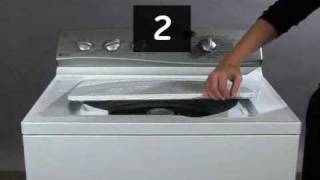
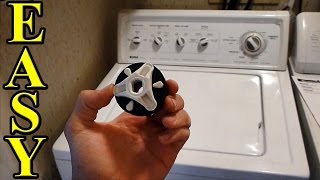
What this part is and why it matters: The "pulley cam" on top-load Maytag washers is commonly called the agitator cam or drive cam. It engages the agitator to the transmission/drive system and provides the one-way action needed for proper agitation. When the cam or the drive/spline area is worn or broken the agitator can slip, spin freely, make grinding or clunking noises, or fail to agitate properly. Diagnostic & repair steps: 1) Safety first: Unplug the washer and shut off the water supply. Work with the lid open and on a stable, well-lit surface. Wear gloves and eye protection. 2) Confirm the symptom: Typical clues that point to the cam are: agitator spins freely on spin cycle but does not agitate on wash, loud grinding/clunking from the center of the washer during agitation, or visible broken plastic on the agitator base. 3) Remove the fabric softener cap or agitator cap: Pry off the plastic cap on top of the agitator (if equipped) to expose the retaining bolt/fastener. 4) Remove the agitator: Remove the center bolt or nut holding the agitator to the shaft using the appropriate socket. You may need to use a breaker bar or hold the agitator to prevent it from turning. Pull the agitator straight up — some models require a good tug; consider using a strap or puller if stuck. 5) Inspect the cam and splines: With the agitator removed, inspect the cam (usually a plastic piece that mates to the agitator or the washer transmission shaft), the lower agitator assembly, and the splines on the transmission shaft. Look for cracked/broken plastic teeth, stripped splines, melted plastic, or excessive wear. 6) Check the drive pulley and coupling (if relevant): If your model uses a drive pulley/coupler beneath the tub, visually inspect the pulleys and the coupling for wear or shredded rubber. While the cam is the common failure, drive/coupling damage can cause similar symptoms. 7) Replace the faulty part: If the cam or directional cogs are damaged, order the exact OEM replacement for MVWC565FW1. Replace the cam and any associated directional cogs, agitator bolt, or seals as needed. If splines on the transmission shaft are damaged, the transmission or the lower agitator assembly may also need replacement. 8) Reassemble: Reinstall the agitator onto the shaft, reinstall and torque the center bolt/nut snugly (do not overtighten), replace the agitator cap, restore power and water, and run a short wash cycle to confirm proper operation. 9) Final check: Verify there are no unusual noises and the wash/agitate function is restored. If the washer still slips or makes noise, recheck the part and inspect the transmission/drive assembly. Safety note: Always disconnect power before working on the washer. If you find metal spline damage at the transmission hub or suspect transmission failure, consider a professional repair—transmission replacement is heavy and may require special tools.
Common Symptoms
Agitator slips or spins without agitating, loud grinding/clunking from the center of the washer, clothes not getting cleaned, visible broken plastic on the agitator base.
Common Causes
- Worn or broken plastic teeth on the agitator cam/directional cogs
- Stripped splines on the agitator or transmission shaft
- Worn drive coupling or pulley allowing the agitator to slip
Popular Parts That Fix This Problem
These are the most common replacement parts that fix this problem. When you're ready to order, click below to find the right part at ProsourceParts.com — just search by your appliance model number for a guaranteed fit.

Helpful Repair Tip
Confirm a bad cam by removing the agitator and checking for cracked or missing plastic teeth on the cam and worn splines on the drive shaft; if the plastic cam is damaged it's almost always the culprit.
Frequently Asked Questions
How do I know if the cam is the problem or the transmission?
Start by removing the agitator and inspecting the plastic cam and the splines on both the agitator and the transmission shaft. If the plastic cam is cracked/missing teeth or the splines are rounded/worn at the top, replace the cam/agitator components first. If the metal splines on the transmission shaft are damaged or the washer still slips after replacing the cam and coupling, the transmission may be failing and will likely require professional service.
Is replacing the cam/pulley something a homeowner can do?
Yes — replacing the agitator cam or cam kit is a common DIY repair: it usually requires basic hand tools, removing the agitator, swapping the plastic cam pieces, and reassembling. Always unplug the washer first and confirm you have the correct replacement part for MVWC565FW1. If you encounter heavy corrosion, broken metal splines, or difficulty accessing the lower components, consider calling a technician.
Related How-To Videos
Real DIY Repair Stories
Be the first to share your repair story!
Share Your Repair Story
Your experience helps other homeowners fix their appliances. Tell us how it went!
Can't Fix It Yourself? Find a Local Technician
It's perfectly okay to call a professional. Some repairs require specialized tools, deep teardowns, or dealing with complex systems that are better left to the pros.

Find the Right Part for Your Appliance
Don't guess — search your exact appliance model number at ProsourceParts.com to find the correct OEM compatible replacement part. They offer fast free shipping, guaranteed fit, and thousands of parts in stock.
Your Free Parts Videos
Whether your dishwasher won't drain, your dryer stopped heating, or your fridge isn't cold, we've created simple repair guides for the most common appliance problems homeowners face. Each guide explains what's going wrong, the most likely causes, and which replacement parts fix the issue. When you're ready to order, we link directly to ProsourceParts.com where you can search by model number and get the right part shipped fast.