
Whirlpool NTW4600YQ1 Washer — Common Problems & What to Check First
Need the replacement part? Search your model number at for guaranteed fit and fast free shipping.
Understanding the Problem
Overview: The NTW4600YQ1 is a top‑load Whirlpool-style washer (agitator-style). The most common failures for this family of machines are: washer won’t start or won’t agitate, won’t fill or overfills, won’t drain or won’t spin, and loud noises during the cycle. Below are prioritized diagnostic steps and step‑by‑step repair actions for each symptom. 1) Washer won’t start or is completely dead a) Quick checks: - Confirm the washer is plugged in and the outlet has power (test with a lamp or multimeter). - Check household circuit breaker and reset if tripped. - Verify the lid is fully closed (top‑load washers will not run with the lid open). b) Test lid switch: - Unplug the washer. - Access the lid switch (usually under the top console or behind the top panel). Remove screws holding the top panel and gently lift. - Inspect switch wiring for burn marks or loose connectors. - Test for continuity with a multimeter across the switch terminals while closing the lid — no continuity = bad lid switch. c) Control or timer issues: - If the lid switch tests good, the timer or control board could be faulty. Check for visible burned components on the control board and for loose ribbon connectors. d) How to fix: - Replace a failed lid switch (remove top panel, unplug connector, remove mounting screws, install new switch, reconnect). Always unplug first. - Replace control/timer only after verifying power is reaching the control and the switch is good. Swap in a known‑good control if available or order OEM replacement. 2) Washer won’t fill or fills continuously a) Symptoms: little or no water, only cold fills, or water keeps filling and overflows. b) Check water supply and inlet screens: - Confirm hot and cold faucets are on and water pressure is normal. - Turn off water to washer, disconnect hoses at the inlet valve, check and clean the small mesh screens inside the valve ports (debris/clay can block flow). c) Test water inlet valve: - With washer unplugged, remove back panel or control console to reach inlet solenoids. - Use a multimeter to check solenoid coil continuity. No continuity = replace inlet valve. - If a solenoid reads OK but valve remains open, the valve is mechanically stuck and must be replaced. d) Check water level/pressure switch and hose: - Inspect the pressure hose from the tub to the pressure switch for kinks or blockages. - Test the pressure switch with a hand pump or by lightly sucking on the hose while measuring continuity/voltage changes according to service manual. e) How to fix: - Replace faulty inlet valve or pressure switch. Replace or clear any kinked/blocked hoses. 3) Washer won’t drain or spin a) Quick checks: - Listen for the drain pump when a drain/spin cycle runs — no sound could mean pump failure or no power to pump. - Check the drain hose and standpipe for kinks or clogs. Remove and run water through it to confirm clear. b) Inspect and test the drain pump: - Unplug machine and remove back or front lower access panel. - Remove any visible obstructions in pump inlet or impeller area (coins, lint, small clothing items). - Test pump motor for continuity — no continuity = replace pump. If pump has continuity but doesn’t run when energized, the control may not be supplying voltage. c) Check drive (belt, motor coupling, clutch): - On machines with a belt, a broken or slipped belt will allow motor to run but not spin the tub. Inspect belt for wear/tension. - On direct‑drive machines, the motor coupling (a small plastic/rubber piece) can fail and should be inspected and replaced if broken. d) How to fix: - Clear clogs from pump/hose. Replace the drain pump assembly if impeller damaged or motor dead. - Replace belt or motor coupling per model design. 4) Loud noise, grinding, or thumping a) Common causes: foreign objects in pump, coin or debris under the tub, worn tub bearings, failed shock absorbers, or worn agitator/clutch. b) Diagnostic steps: - Run an empty spin cycle and listen closely to locate the general area of noise (front/bottom = bearings or pump; top/agitator = clutch or dogs). - Inspect the pump and remove debris. Check tub to motor coupling and mount hardware. - Check shocks/springs for damage or oil leakage; replace if worn. c) How to fix: - Remove and inspect the outer tub and tub bearings if suspected (this is major repair). For pump/clutch/agitator noises, replace the specific failing component. 5) Agitator not working or clothes not getting clean a) Check for agitator dogs/gears (if equipped): worn dogs will cause slipping during agitation. b) Inspect drive belt or motor coupling as described above. c) How to fix: Replace agitator dogs, cam, drive belt, or motor coupling depending on failure. Tools and basic parts for common repairs: - Multimeter, nut drivers, screwdrivers, putty knife (to release top clips), pliers, bucket, towels. - Replacement parts: lid switch, drain pump, water inlet valve, pressure switch, belt/motor coupling, agitator dogs, shocks. Safety note: Always unplug the washer and turn off water supply before any inspection or repair. If you’re not comfortable testing live voltages or disassembling the tub, hire a qualified appliance technician.
Common Symptoms
Washer won’t start, won’t fill, fills continuously, won’t drain, won’t spin, loud noises during spin, agitation failure, error codes or control panel unresponsive.
Common Causes
- Failed lid switch or control/timer failure
- Blocked or failed water inlet valve or pressure switch
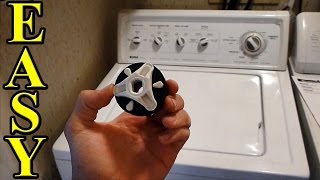
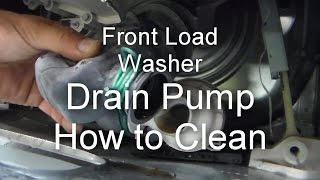
- Clogged/failed drain pump or broken drive components (belt, motor coupling)
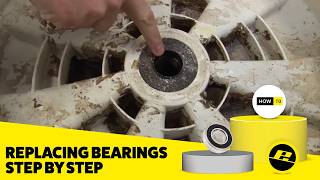
- Foreign objects in pump/tub, worn tub bearings, or worn agitator components
Popular Parts That Fix This Problem
These are the most common replacement parts that fix this problem. When you're ready to order, click below to find the right part at ProsourceParts.com — just search by your appliance model number for a guaranteed fit.
Helpful Repair Tip
To confirm a bad lid switch: start a cycle with the lid closed and tap the lid switch area while the machine should be running. If the washer starts or resumes when you press the switch, the switch is likely defective — verify with a continuity test before replacing.
Frequently Asked Questions
How do I reset my NTW4600YQ1 washer?
Simple reset: unplug the washer or switch the breaker off for 60 seconds, then restore power. This clears most minor control glitches. If the problem persists after a reset, run the diagnostic mode (see the service manual) or check for a failed lid switch, inlet valve, or error code shown on the console.
How much will common repairs cost (parts & labor)?
Estimated costs vary by region and repair shop: lid switch replacement parts typically $15–$50; drain pump $40–$120; water inlet valve $40–$100; motor coupling or belt $15–$50. Labor typically $100–$200 depending on complexity. Always get a written estimate and confirm the exact part number for your NTW4600YQ1 before ordering parts.
Related How-To Videos
Real DIY Repair Stories
Be the first to share your repair story!
Share Your Repair Story
Your experience helps other homeowners fix their appliances. Tell us how it went!
Can't Fix It Yourself? Find a Local Technician
It's perfectly okay to call a professional. Some repairs require specialized tools, deep teardowns, or dealing with complex systems that are better left to the pros.

Find the Right Part for Your Appliance
Don't guess — search your exact appliance model number at ProsourceParts.com to find the correct OEM compatible replacement part. They offer fast free shipping, guaranteed fit, and thousands of parts in stock.
Your Free Parts Videos
Whether your dishwasher won't drain, your dryer stopped heating, or your fridge isn't cold, we've created simple repair guides for the most common appliance problems homeowners face. Each guide explains what's going wrong, the most likely causes, and which replacement parts fix the issue. When you're ready to order, we link directly to ProsourceParts.com where you can search by model number and get the right part shipped fast.