
Noisy Washing Machine Bearings – What Causes It and How to Fix It
Need the replacement part? Search your model number at for guaranteed fit and fast free shipping.
Understanding the Problem
Brief explanation: Noisy bearings in a washing machine usually mean the drum bearings (and often the inner seal) are worn or contaminated. You’ll hear a deep rumble, grinding, or squealing—especially during spin. Bearings fail because grease wears out, water leaks past seals, or heavy loads cause metal fatigue. Step-by-step diagnostic and repair instructions: 1) Confirm the noise source: a. Run an empty spin cycle and listen—bearing noise is loudest during high-speed spin and is steady and low-frequency (rumble/grind) rather than intermittent clunks. b. Manually spin the drum by hand and listen/feel for roughness, scraping, or a grinding sensation. c. Check for axial and radial play: grab the drum and try to rock it front-to-back and side-to-side. More than 1/4" play is suspicious. d. Use a long screwdriver or mechanic’s stethoscope: press the handle to different parts of the tub and listen—bearing noise will be loudest at the rear center of the drum. e. Rule out other noises: tap the pump, motor, belt/idler, shock absorbers/suspension (front loaders) and shipping bolts (if a new machine). 2) Inspect for leaks and visible damage: a. Look for water stains, grease, or corrosion at the rear of the tub and under the washer—signs that the seal has failed and allowed water to reach the bearings. b. Remove the back panel or front panel (model-dependent) to visually inspect the rear bearing area for rust, oil, or damaged seals. 3) Decide repair approach: - If the bearing is integral to the rear outer tub (many front-load washers), replacement often requires either a bearing/seal press-in kit or replacing the entire outer tub assembly. - For top-load machines with a bearing shaft assembly, you may be able to replace a bearing kit and tub seal. 4) Tools and parts preparation: - Tools: socket set, screwdrivers, rubber mallet, bearing puller or hydraulic press (or large sockets for tapping bearings), seal driver or suitable sized socket, pliers, torque wrench, WD-40 or penetrating oil, shop rags. - Parts: bearing kit (model-specific) and tub seal; if unsure, order the OEM rear tub bearing kit or outer tub assembly for your exact model. 5) Disassembly (general front-load example): a. Unplug the washer and turn off water supply. Drain any water from the tub. b. Remove door boot clamp and boot to access the inner drum. Remove the inner drum if required to access the bearing housing. c. Remove motor (if obstructing) and drive pulley or belt. d. Unbolt the outer tub from the chassis to access the bearing housing at the rear. e. Remove the bearing retaining ring or bolts. Press or drive the old bearing out from the housing. Remove the old seal(s). 6) Cleaning and installation: a. Clean the bearing bore thoroughly of rust, old grease, and debris. Inspect the bore for damage—deep scoring may require a new outer tub. b. Press in the new bearing(s) squarely using a press or appropriate socket/driver. Do not hammer the inner race—only apply force to the outer race or use a proper driver. c. Install a new tub seal(s) using a seal driver or socket. Ensure correct orientation of lip seals. d. Reassemble in reverse order: install drum, pulley, belt, motor, and panels. Torque fasteners to spec if available. 7) Test: a. With the washer reassembled, run an empty rinse/spin and listen for noise and check for leaks. b. Check for wobble or vibration—if present, confirm bearings were installed squarely and drum centering is correct. Safety note: Always unplug the appliance and turn off the water supply before beginning work. Bearings replacement can require heavy parts and pressing tools; if you’re not comfortable with pressing bearings or removing the tub assembly, hire a technician. Wear gloves and eye protection when working with rusted or sharp components.
Common Symptoms
Deep rumbling or grinding during spin, loud steady noise that increases with speed, drum has noticeable play when rocked, possible water stains or oil at back of washer, vibration or wobble during spin.
Common Causes
- Grease breakdown and normal wear over time
- Water leaking past the tub seal and rusting/contaminating the bearing
- Heavy or unbalanced loads and mechanical shock that fatigues the bearing
Popular Parts That Fix This Problem
These are the most common replacement parts that fix this problem. When you're ready to order, click below to find the right part at ProsourceParts.com — just search by your appliance model number for a guaranteed fit.
Helpful Repair Tip
To quickly confirm a bad bearing: spin the empty drum by hand and feel for roughness, then put your ear to the rear center of the drum while a spin cycle runs—bearing noise will be a constant low rumble and louder at high spin speeds.
Frequently Asked Questions
Can I replace washing machine bearings myself?
Yes, if you have mechanical skills, proper tools (bearing press or driver), and are comfortable disassembling the tub. Expect 2–6 hours depending on model. If you lack a press, risk damaging the new bearing or tub; calling a pro is safer for most DIYers.
How much does it cost to fix noisy bearings?
Parts (bearing + seal kit) typically cost $20–$100 depending on model; an outer tub assembly can be $150–$400. Labor at a service shop usually adds $150–$400. Total cost varies by model and whether the tub bore is damaged and requires a full tub replacement.
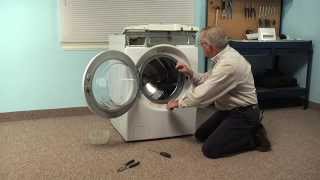
Related How-To Videos
Real DIY Repair Stories
Be the first to share your repair story!
Share Your Repair Story
Your experience helps other homeowners fix their appliances. Tell us how it went!
Can't Fix It Yourself? Find a Local Technician
It's perfectly okay to call a professional. Some repairs require specialized tools, deep teardowns, or dealing with complex systems that are better left to the pros.
Find the Right Part for Your Appliance
Don't guess — search your exact appliance model number at ProsourceParts.com to find the correct OEM compatible replacement part. They offer fast free shipping, guaranteed fit, and thousands of parts in stock.
Your Free Parts Videos
Whether your dishwasher won't drain, your dryer stopped heating, or your fridge isn't cold, we've created simple repair guides for the most common appliance problems homeowners face. Each guide explains what's going wrong, the most likely causes, and which replacement parts fix the issue. When you're ready to order, we link directly to ProsourceParts.com where you can search by model number and get the right part shipped fast.