
Microwave Won't Heat – What Part Fixes This Problem?
Need the replacement part? Search your model number at for guaranteed fit and fast free shipping.
Understanding the Problem
When a microwave runs (light, display, fan, turntable) but does not heat food, the problem is usually in the high-voltage section that generates microwave energy. The most common failed components are the magnetron (which actually produces the microwaves), the high-voltage diode or capacitor (which supply the magnetron with the required voltage), the high-voltage transformer, or safety items like thermal fuses and door interlock switches. Control board faults can also prevent the high-voltage circuit from being energized. Because microwaves store lethal voltages in the high-voltage capacitor even after being unplugged, diagnosing and repairing them requires caution. Basic checks like listening for humming from the high-voltage transformer or noticing a burned smell can point to damage, but electrical testing (continuity, diode checks) is the usual way to confirm the faulty component. In many cases the magnetron needs replacement, but sometimes the cheaper diode, capacitor, thermal cutoff, or door switches are the cause and are easier to replace.
Common Symptoms
Microwave powers on (light, fan, turntable) but food does not heat; humming or buzzing noise; burning smell; unit trips home breaker or internal fuse is blown.
Common Causes
- Failed magnetron (the component that produces microwave energy)
- Blown or shorted high-voltage diode, capacitor, or transformer
- Open thermal fuse or faulty door interlock switch preventing HV circuit energizing
Popular Parts That Fix This Problem
These are the most common replacement parts that fix this problem. When you're ready to order, click below to find the right part at ProsourceParts.com — just search by your appliance model number for a guaranteed fit.

Helpful Repair Tip
Always unplug the microwave and discharge the high-voltage capacitor before testing. Start by checking continuity on the thermal fuse and door switches with a multimeter, then test the HV diode and magnetron filament for continuity — a dead diode or open magnetron filament usually means replacement is required.
Frequently Asked Questions
Is it safe to run a microwave that isn’t heating?
No. Running a microwave that won’t heat can mask dangerous faults. A failed magnetron, shorted diode, or arcing can cause further damage or fire. Don’t continue to run the oven for testing unless you’re experienced — disconnect power and inspect or call a qualified technician.
How much does it cost to repair a microwave that won't heat?
Repair cost depends on the failed part and labor. Replacing a thermal fuse or diode is relatively inexpensive ($20–$80 parts plus labor). Magnetron replacement typically costs $100–$250 including parts and labor. If the control board or transformer fails, costs can be higher. For older or low-cost microwaves, replacement may be more economical than repair.
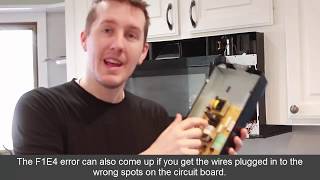
Related How-To Videos

Real DIY Repair Stories
Be the first to share your repair story!
Share Your Repair Story
Your experience helps other homeowners fix their appliances. Tell us how it went!
Can't Fix It Yourself? Find a Local Technician
It's perfectly okay to call a professional. Some repairs require specialized tools, deep teardowns, or dealing with complex systems that are better left to the pros.

Find the Right Part for Your Appliance
Don't guess — search your exact appliance model number at ProsourceParts.com to find the correct OEM compatible replacement part. They offer fast free shipping, guaranteed fit, and thousands of parts in stock.
Your Free Parts Videos
Whether your dishwasher won't drain, your dryer stopped heating, or your fridge isn't cold, we've created simple repair guides for the most common appliance problems homeowners face. Each guide explains what's going wrong, the most likely causes, and which replacement parts fix the issue. When you're ready to order, we link directly to ProsourceParts.com where you can search by model number and get the right part shipped fast.