
MFI2670XEW9 Refrigerator — Common Problems and How to Fix Them
Need the replacement part? Search your model number at for guaranteed fit and fast free shipping.
Understanding the Problem
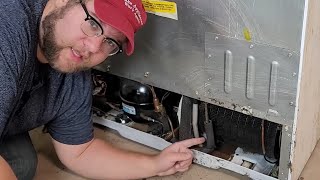
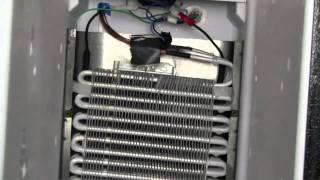
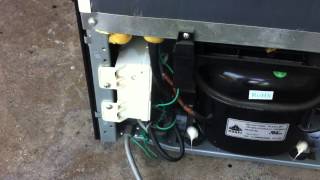
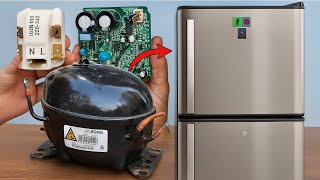
The MFI2670XEW9 is a bottom-freezer / French-door style refrigerator (common Whirlpool/Maytag platform). Like all refrigerators it can show a handful of recurring problems: not cooling (warm fridge or warm freezer), noisy operation, ice maker or water dispenser failures, excessive frost/icing, water leaks, and running continuously. Below are recommended diagnostics and step-by-step repair actions for those common symptoms. 1) Refrigerator or freezer not cooling (warm compartments) - Tools needed: multimeter, thermometer, screwdriver set, flashlight, vacuum or coil brush. - Step 1: Verify temps. Place thermometers in fresh-food and freezer compartments and let unit run 24 hours. Normal: fridge ~37°F (3°C), freezer ~0°F (-18°C). - Step 2: Check condenser coils. Unplug unit, locate coils (rear/bottom), and clean dust/debris. Dirty coils reduce cooling — clean with brush and vacuum, then power on and recheck temps. - Step 3: Check condenser fan and evaporator fan. With power on (careful), listen for fans. If one is not spinning, unplug and test motor continuity with a multimeter. Replace faulty fan motors if they fail to spin or show open windings. - Step 4: Check evaporator for frost build-up. Remove interior freezer panel (power off first) and inspect evaporator coil. Heavy frost indicates defrost system failure (defrost heater, defrost thermostat/thermistor, or control). If coils are iced, perform a manual defrost (power off 24 hours or use hairdryer carefully), then test defrost components. - Step 5: Test start relay and compressor. If compressor does not run but hums or clicks, test start relay and overload. Replace relay/overload if defective. If compressor fails to run despite a good relay, the compressor may be bad — this is costly and usually requires a technician. - How to fix: Begin with cleaning coils, replacing failed fans or relays, repairing defrost components as needed. If compressor is faulty, get cost estimate vs replacement. 2) Ice maker not making ice or water dispenser not working - Step 1: Verify water supply. Ensure water line shutoff is fully open. Check for kinks in supply line. - Step 2: Test water inlet valve. Remove water line and check valve solenoid coil for continuity. Replace valve if it fails or has low pressure. - Step 3: Inspect ice maker module and fill tube. Test ice maker with built-in test switch (press and hold the test or diagnostic button until it cycles). If motor does not turn or module will not cycle, replace ice maker assembly. - Step 4: If cubes are hollow or small, check water pressure and inlet valve; also check water filter (replace if clogged). - How to fix: Replace water inlet valve and/or ice maker module; change water filter; straighten/replace supply line. 3) Excessive frost or ice build-up in freezer - Step 1: Check door gasket for damage or gaps. Replace gasket if compressed or torn. - Step 2: Verify door is closing fully and no objects block it. Adjust hinge/leveling if needed. - Step 3: Test defrost system: defrost heater, defrost thermostat/thermistor, and control (timer/board). Use multimeter to check continuity of heater and thermostat and inspect defrost termination behavior in diagnostics. Replace failing components. - How to fix: Replace gasket or defrost components; ensure proper door sealing. 4) Water leak under or around refrigerator - Step 1: Inspect water supply line and connections for dripping. Tighten or replace leaking fittings. - Step 2: Check defrost drain. A clogged drain will overflow onto the floor. Remove rear access panel in freezer, flush drain with warm water and a thin brush or turkey baster until clear. - Step 3: Inspect the drain pan under the refrigerator for cracks and proper placement. Replace drain pan if cracked. - How to fix: Clear or replace drain, repair/replace water inlet fittings, replace cracked drain pan. 5) Unit is noisy or vibrates - Step 1: Identify noise source: fan(s), compressor, water valve, or vibration against cabinetry. - Step 2: Tighten any loose panels or screws. Ensure unit is level and resting firmly on floor; adjust leveling legs. - Step 3: Replace noisy condenser or evaporator fan motors if they hum or rattle. If the compressor is loud or clattering, it may be failing — consult a professional. - How to fix: Tighten panels, level fridge, replace fan motors; call pro for compressor replacement. Quick diagnostic checklist (priority order for cooling complaints): a) Clean condenser coils and ensure airflow. b) Confirm fans run (evaporator & condenser). c) Check for iced evaporator — evaluate defrost system. d) Test start relay and compressor operation. Safety note: Always unplug the refrigerator before accessing electrical components or removing panels. When testing live circuits use proper insulated tools and exercise caution. If you are uncomfortable with sealed-system parts (compressor, sealed refrigerant lines), call a certified appliance technician or HVAC contractor — handling refrigerant requires EPA certification.
Common Symptoms
Warm fridge or freezer, excessive frost in freezer, ice maker or water dispenser no water, leaks under fridge, loud humming or rattling noises, fridge runs constantly.
Common Causes
- Dirty condenser coils reducing heat transfer
- Failed evaporator or condenser fan motors
- Defrost system failure causing evaporator icing
- Faulty water inlet valve or ice maker module
- Damaged door gasket or improper door seal
Popular Parts That Fix This Problem
These are the most common replacement parts that fix this problem. When you're ready to order, click below to find the right part at ProsourceParts.com — just search by your appliance model number for a guaranteed fit.

Helpful Repair Tip
Start with the simplest fixes: clean the condenser coils and confirm both fans spin. If fans are dead or coils are dirty, cooling problems often resolve without replacing major components.
Frequently Asked Questions
How do I force the ice maker to cycle for testing?
Many ice makers have a test switch or diagnostic button below or on the module. With the fridge powered on, press and hold the test button until the motor runs and the fill cycle starts. If nothing happens, check for power at the ice maker (use a multimeter) and inspect the module for cracks or a failed motor; replace the ice maker assembly if it doesn’t respond.
My refrigerator is frosting up in the freezer — can I just defrost it and be done?
Manual defrost will temporarily fix visible ice, but frost usually returns if the root cause isn’t addressed. Common causes: failed defrost heater or thermostat, clogged defrost drain, or a leaking door gasket. After defrosting, run diagnostics: check gasket seal, clear the drain, and test defrost components. Replace any failed parts to prevent recurrence.
Related How-To Videos

Real DIY Repair Stories
Be the first to share your repair story!
Share Your Repair Story
Your experience helps other homeowners fix their appliances. Tell us how it went!
Can't Fix It Yourself? Find a Local Technician
It's perfectly okay to call a professional. Some repairs require specialized tools, deep teardowns, or dealing with complex systems that are better left to the pros.

Find the Right Part for Your Appliance
Don't guess — search your exact appliance model number at ProsourceParts.com to find the correct OEM compatible replacement part. They offer fast free shipping, guaranteed fit, and thousands of parts in stock.
Your Free Parts Videos
Whether your dishwasher won't drain, your dryer stopped heating, or your fridge isn't cold, we've created simple repair guides for the most common appliance problems homeowners face. Each guide explains what's going wrong, the most likely causes, and which replacement parts fix the issue. When you're ready to order, we link directly to ProsourceParts.com where you can search by model number and get the right part shipped fast.