
MED6630HC2 Lint Screen – Inspect, Clean or Replace the Dryer Lint Trap
Need the replacement part? Search your model number at for guaranteed fit and fast free shipping.
Understanding the Problem
What the lint screen is and why it matters: The lint screen (also called lint trap or lint filter) captures lint from clothes before air vents and the blower. A clogged, torn or missing lint screen reduces airflow, causes long dry times, causes the dryer to overheat, and creates a fire hazard. Below are step‑by‑step diagnostic and repair instructions you can use on a MED6630HC2 dryer. 1) Locate the lint screen - Most MED6630HC2 dryers have the lint screen in the door opening (front lip) or in the top panel just behind the door — open the dryer door and look for a rectangular slot at the front of the drum opening. If you don’t see a slot there, check the top/rear of the dryer deck. If necessary, consult your owner’s manual or the model parts diagram. 2) Inspect visually - Pull the lint screen straight out. Inspect for large holes, tears, melted plastic or packed lint that won’t come out. Hold the screen up to a bright light — if you can’t see light through the mesh in many places, it’s clogged or damaged and needs service. 3) Clean the screen - Remove loose lint by hand. Use a soft brush or vacuum crevice tool to remove stubborn lint from the mesh and frame. - For a deeper clean, wash the screen in warm soapy water, rinse, and let it dry completely before reinstalling. Do not force a wet screen back into the slot. 4) Check the trap housing and ductwork - With the screen removed use a flashlight to inspect the trap housing for packed lint or debris. Use a vacuum and crevice tool to remove lint from the cavity. - If the screen has been missing or badly damaged, remove the lower kick panel or top (if necessary for your model) to access and inspect the exhaust path, blower and vent hose for lint buildup. 5) Replace if damaged or if airflow is restricted after cleaning - If the mesh is torn, the frame is warped, or airflow is still poor after cleaning, order a replacement lint screen designed for MED6630HC2 (see Parts below). To replace, simply slide the new lint screen fully into the housing slot until it seats flush. Some models have a small latch or screw—if present, secure per manufacturer instructions. 6) Reassemble and test - Reinstall the cleaned or new lint screen. Run a short dry cycle with a towel and watch for normal airflow from the exhaust vent. Check that drying time and heat return to normal. Safety note: Always unplug the dryer or turn OFF power at the breaker before accessing internal components beyond the lint trap housing (for example, removing panels). Never run the dryer without a lint screen in place — doing so increases fire risk and allows lint to accumulate in the ductwork.
Common Symptoms
Longer drying times, overheating or hot clothing, excessive lint on and around the dryer, burning or musty odors, dryer trips thermal fuse or overheats.
Common Causes
- Lint screen clogged by compacted lint or fabric residue
- Torn, melted or warped lint screen allowing lint to bypass the trap
- Missing lint screen or incorrectly installed replacement
- Lint build-up inside the trap housing, ductwork or blower due to past screen failure
Popular Parts That Fix This Problem
These are the most common replacement parts that fix this problem. When you're ready to order, click below to find the right part at ProsourceParts.com — just search by your appliance model number for a guaranteed fit.

Helpful Repair Tip
Hold the lint screen up to a bright light — if you can’t see light through most of the mesh, replace it. Also blow compressed air (short bursts) through the mesh from the outside to verify holes or tears.
Frequently Asked Questions
Can I run my MED6630HC2 dryer without the lint screen?
No. Running the dryer without the lint screen lets lint enter the blower and vent system, significantly increasing fire risk and causing rapid build-up that reduces airflow and can damage the dryer. Always install a proper lint screen before operating the dryer.
How often should I clean or replace the lint screen?
Clean the lint screen after every load by removing loose lint. Do a deep wash with warm soapy water and dry it thoroughly about once a month (or more often with heavily linting loads). Replace the screen if it has holes, tears, warped frame, or if cleaning does not restore airflow.
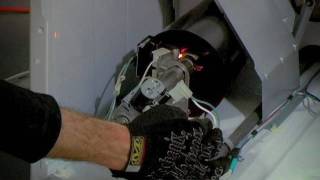
Related How-To Videos


Real DIY Repair Stories
Be the first to share your repair story!
Share Your Repair Story
Your experience helps other homeowners fix their appliances. Tell us how it went!
Can't Fix It Yourself? Find a Local Technician
It's perfectly okay to call a professional. Some repairs require specialized tools, deep teardowns, or dealing with complex systems that are better left to the pros.

Find the Right Part for Your Appliance
Don't guess — search your exact appliance model number at ProsourceParts.com to find the correct OEM compatible replacement part. They offer fast free shipping, guaranteed fit, and thousands of parts in stock.
Your Free Parts Videos
Whether your dishwasher won't drain, your dryer stopped heating, or your fridge isn't cold, we've created simple repair guides for the most common appliance problems homeowners face. Each guide explains what's going wrong, the most likely causes, and which replacement parts fix the issue. When you're ready to order, we link directly to ProsourceParts.com where you can search by model number and get the right part shipped fast.