
Maytag MDB4949SDE2 Dishwasher — Common Problems, Diagnostics & Fixes
Need the replacement part? Search your model number at for guaranteed fit and fast free shipping.
Understanding the Problem
This guide covers the most common problems owners see with the Maytag MDB4949SDE2 built‑in dishwasher and gives step‑by‑step diagnostics and repair instructions. Read through the likely causes for your symptom, then follow the numbered checks and repair steps below. Always disconnect power and turn off water before working on the machine. 1) Basic prep and safety checks a. Disconnect power at the breaker or unplug the dishwasher. Confirm it's dead with a multimeter. Turn off the water supply to the dishwasher. b. Remove the kickplate (toe panel) under the door to access wiring, pump, and hoses. 2) If the dishwasher won't start or respond a. Check power: test outlet/breaker and measure voltage at the dishwasher junction (120 VAC). If no power, fix household wiring or breaker. b. Inspect the door latch/switch: the door must latch fully and the microswitch must show continuity when closed. Replace the latch assembly if the switch is open when latched. c. Control lock / child lock: verify control lock is not engaged (refer to control panel icons). d. Test the control board: look for burned components or swollen capacitors. If the board doesn't respond or display is blank while power is present, replace the control board. 3) If the dishwasher doesn't fill with water a. Check water supply valve and inlet hose for kinks; confirm valve is fully open. b. Inspect the water inlet valve (solenoid): remove and test for continuity. If stuck closed or no continuity, replace the inlet valve. c. Check float assembly: ensure float moves freely and float switch is not stuck in the up (shutoff) position. 4) If it won't drain or leaves standing water a. Remove and clean the filter, screen, and sump area of food debris. b. Inspect the drain hose for clogs or a high loop/kink; ensure disposal knockout (if connected to garbage disposal) was removed and hose isn't clogged. c. Test the drain pump: listen for pump run during drain cycle. If humming or not running, disconnect power and test pump motor for continuity. Replace pump if motor is open or fails to run when 120V applied. d. Check the drain check valve and trap for obstruction and replace if worn. 5) If dishes are not getting clean or spray arms aren't spinning a. Clean spray arms and ensure rotation; remove mineral deposits and obstructions. b. Check circulation pump/motor: if pump doesn't build pressure or is noisy, test motor continuity and replace pump/motor assembly if defective. c. Confirm proper water temperature: hot water supply should be 120°F (49°C) at the sink for best results. d. Verify detergent type and rinse aid settings. 6) If dishwasher is leaking a. Inspect door gasket and strike for wear or debris; clean or replace the gasket if cracked or flattened. b. Check hose clamps at inlet, drain and sump; tighten or replace as needed. c. Inspect drain pump seal and sump for cracks; replace pump or sump assembly if leaking. d. Run a short cycle and watch for leak source near door, pump, or hoses. 7) If dishes are not drying a. Confirm rinse aid dispenser is filled and enabled in settings. b. Test the heating element (if equipped): check continuity; replace element if open. c. On models with heat‑dry relay on the control board, a bad board can prevent the element from energizing. 8) Common replacement steps (drain pump, door latch, water inlet valve, control board) a. Always disconnect power and water before starting. Remove lower kickplate. b. To replace drain pump: drain standing water, disconnect electrical connector(s) to pump, clamp or unscrew inlet/outlet hoses, remove mounting screws, swap pump, reattach hoses and connectors, restore power and test. c. To replace door latch: open door, remove inner door panel screws to access latch, disconnect wiring, remove latch assembly, install new latch, reassemble door, test latch operation and cycle start. d. To replace water inlet valve: turn off water, remove toe panel, disconnect water line at valve, remove electrical connectors, unmount valve, install new valve, reconnect water and power, check for leaks while filling. e. To replace control board: remove upper access cover or control console screws, note/photograph wiring connections, remove connectors and mounting screws, install new board, reconnect wires exactly, reassemble and test. Safety note: If you are not comfortable working with mains electricity, water connections, or lifting the dishwasher, hire a qualified appliance technician. Always verify power is off and use insulated tools. Keep small parts and fasteners organized during reassembly.
Common Symptoms
Dishwasher won't start, won't fill, leaves standing water, sprays poorly/doesn’t clean, leaks, or won’t dry dishes.
Common Causes
- Faulty door latch or microswitch preventing cycle start
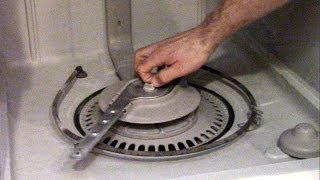
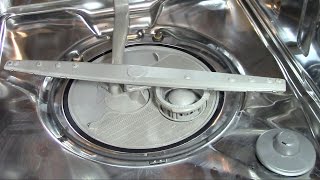
- Clogged filter, spray arms, or drain hose causing poor cleaning or no drain
- Failed drain pump or circulation motor
- Bad water inlet valve or blocked water supply
- Worn door gasket, cracked sump, or loose hose causing leaks
- Defective control board or heating element affecting operation and drying
Popular Parts That Fix This Problem
These are the most common replacement parts that fix this problem. When you're ready to order, click below to find the right part at ProsourceParts.com — just search by your appliance model number for a guaranteed fit.

Helpful Repair Tip
Listen during the drain cycle — a running pump makes a steady motor noise; silence or a click without motor sound usually means a failed drain pump or a bad control board relay.
Frequently Asked Questions
How do I reset my MDB4949SDE2 dishwasher?
To reset: try turning off the dishwasher at the circuit breaker for 30–60 seconds, then turn it back on. For control errors, opening and closing the door 6 times within 12 seconds can reset some diagnostics on certain models. If the display still shows errors, record the error code and consult the service manual or a technician.
How much does it cost to replace a drain pump on this model?
Parts for a drain pump typically run from about $40–$150 depending on OEM vs aftermarket; labor varies but expect $100–$250 from a technician depending on travel and hourly rate. If you're handy, replacing the pump yourself is usually straightforward: power off, remove lower kickplate, disconnect pump wiring and hoses, swap units, and reassemble.
Related How-To Videos
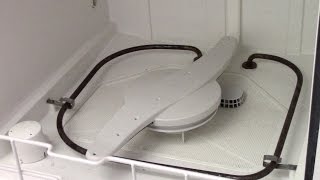

Real DIY Repair Stories
Be the first to share your repair story!
Share Your Repair Story
Your experience helps other homeowners fix their appliances. Tell us how it went!
Can't Fix It Yourself? Find a Local Technician
It's perfectly okay to call a professional. Some repairs require specialized tools, deep teardowns, or dealing with complex systems that are better left to the pros.

Find the Right Part for Your Appliance
Don't guess — search your exact appliance model number at ProsourceParts.com to find the correct OEM compatible replacement part. They offer fast free shipping, guaranteed fit, and thousands of parts in stock.
Your Free Parts Videos
Whether your dishwasher won't drain, your dryer stopped heating, or your fridge isn't cold, we've created simple repair guides for the most common appliance problems homeowners face. Each guide explains what's going wrong, the most likely causes, and which replacement parts fix the issue. When you're ready to order, we link directly to ProsourceParts.com where you can search by model number and get the right part shipped fast.