
Maytag Neptune MAH4000AWW – Common Problems, Diagnosis & How to Fix Them
Need the replacement part? Search your model number at for guaranteed fit and fast free shipping.
Understanding the Problem
Overview: The Maytag Neptune MAH4000AWW is a top-load Maytag “Neptune” series washer that commonly develops issues as it ages: won’t drain, won’t spin, loud grinding or rumbling, leaks, or electronic error codes. This guide walks you through the most likely causes, which parts to check first, and step‑by‑step diagnostics and repair actions you can perform as a handy homeowner or DIY tech. Primary things to check first (in order): 1) Power & basic resets: Confirm the washer has full power (check outlet, breaker, unplug 1 minute to reset control). Many Neptune faults clear after a reset. 2) Error codes: If the control is displaying codes, note them — they point directly to the subsystem (drain, lid lock, motor, sensors). 3) Drain path & pump: Clogged pump, hoses, or kinked drain lines are the most common causes of no‑drain/no‑spin complaints. 4) Lid lock / Lid switch: A failed lid lock prevents spin and the washer may behave like it's mid‑cycle. 5) Motor, motor control, gearcase: Persistent spin problems, humming without spin, or loud grinding often indicate motor/gearcase or bearings. 6) Suspension and tub bearings: Excessive vibration or loud rumbling during the spin points to worn shocks/springs or bad tub bearings. Step‑by‑step diagnostics & repair instructions: 1) Safety first: Unplug the washer and shut off water supply before doing any inspection or repairs. 2) Run diagnostics (if available): On many Neptune washers you can access diagnostic mode to read error/fault history. (Consult your tech sheet behind the lower access panel or the owner's manual for the entry sequence.) Note fault codes and time of occurrence. 3) Check for basic user issues: Make sure load is balanced and not overloaded. Remove a few items and rerun a spin/drain cycle. 4) Inspect drain path: a) Pull the washer away from the wall, inspect the drain hose for kinks, clogs, or high‑loop issues. b) Remove the lower access panel, locate the drain pump and check the inlet for lint, coins, small articles. Manually spin the pump impeller — if seized or jammed, clean or replace the pump. c) If the pump runs but doesn't move water, test pump motor with multimeter for continuity and 120VAC during drain cycle. 5) Test the lid lock/switch: a) With power removed, inspect the lid lock assembly for obvious damage. b) In diagnostics, force a lock command and listen/observe if lock engages. If control shows locked but washer won’t spin, replace the lid lock assembly. 6) Verify motor and motor control: a) If you hear motor hum but no spin, check for debris on motor shaft, examine motor brushes (if serviceable), or test motor windings for continuity. b) On inverter/motor control failures you may see F7/F8 type codes or no drive — visual inspection for burnt components on the control board and smell of burnt electronics helps diagnose. c) If the motor is seized or the gearcase is noisy, replace the motor/gearcase assembly or the gearcase only depending on what’s worn. 7) Check suspension and bearings: a) Excessive tub movement or grinding during spin indicates worn shocks, springs, or bearings. b) With tub empty, manually rotate the drum: roughness or grinding noise indicates bearing/gearcase failure — repair will likely require tub/gearcase replacement. 8) Replace or repair parts: a) Order parts that match your washer’s model and serial. Common service parts include drain pump, lid lock, main control board, motor/gearcase, and shock absorbers/springs. b) Follow step‑by‑step replacement guides for each part: remove lower access panel, disconnect harnesses, remove mounting screws, swap assemblies, and reattach wiring using photos or labels to ensure proper reconnection. 9) Reassemble and test: After repairs, run a full wash and drain/spin cycle to confirm proper operation and check for leaks. How to fix specific common problems (practical actions): - Won’t drain / water remains: Clean trap and pump, clear drain hose, test pump for power and continuity, replace pump if impeller damaged or motor dead. - Won’t spin but drains: Test lid lock and clutch/motor drive. Replace lid lock if it fails to engage. If motor hums but doesn’t spin, suspect motor control/gearcase. - Loud rumbling during spin: Inspect drive/gearcase and tub bearings; replace gearcase/tub bearings if rough when rotating the drum by hand. Also check suspension shocks and springs. - Leaking water: Inspect tub seals, front/rear tub gasket (if equipped), hoses, and fill valves. Tighten clamps and replace failed hoses or seals. - Error codes: Use service manual to map code to component. Replace the indicated part (lid lock, pressure sensor/pressure switch, heater is irrelevant for this model but control board faults may show on display). Safety note: Always unplug the washer and shut off water before opening panels. Use proper tools and if a repair requires lifting the outer tub, heavy lifting or tub disassembly, consider professional service. If you smell burnt electronics or see melted wiring, disconnect power and do not operate until control boards or wiring are repaired.
Common Symptoms
Washer won't drain or spin, loud grinding or rumbling during spin, leaks, lid won't lock, error codes displayed, washer won't start or trips breaker.
Common Causes
- Clogged or kinked drain hose or a jammed drain pump
- Failed lid lock or lid switch preventing spin
- Worn motor, motor control board, gearcase or tub bearings
Popular Parts That Fix This Problem
These are the most common replacement parts that fix this problem. When you're ready to order, click below to find the right part at ProsourceParts.com — just search by your appliance model number for a guaranteed fit.

Helpful Repair Tip
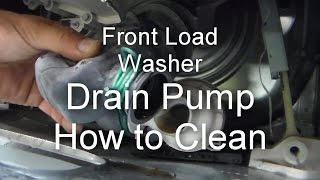
To confirm a bad drain pump, remove the lower access panel, disconnect the pump electrical connector, and test the pump motor for continuity with a multimeter; also spin the impeller by hand—if it’s stuck or impeller blades are broken, replace the pump.
Frequently Asked Questions
How do I run diagnostics on my Maytag Neptune MAH4000AWW?
Many Neptune washers have a service/diagnostic mode accessible via a sequence of knob/button moves — however sequences can vary. The quickest method is to consult the washer’s tech sheet (usually found behind the lower access panel) which lists the exact entry sequence and fault code meanings. If you don’t have the tech sheet, open the lower panel and look for a taped service sheet with instructions.
Is it worth repairing a noisy old Neptune washer or should I replace it?
It depends on the failure and washer condition. Replacing a simple part (drain pump, lid lock, shocks) is usually inexpensive and worthwhile. Replacing a worn gearcase, tub bearings, or main motor/drive on an older machine may be costly; compare the parts/labor cost to the price of a new washer. If the control board/motor and tub are all failing, replacement is often the better long‑term value.
Related How-To Videos
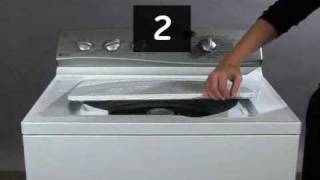
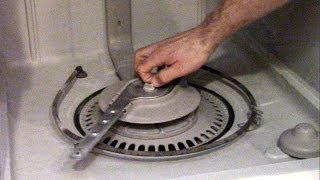
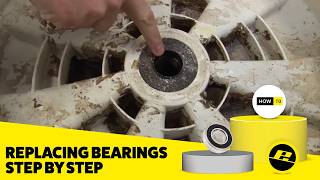
Real DIY Repair Stories
Be the first to share your repair story!
Share Your Repair Story
Your experience helps other homeowners fix their appliances. Tell us how it went!
Can't Fix It Yourself? Find a Local Technician
It's perfectly okay to call a professional. Some repairs require specialized tools, deep teardowns, or dealing with complex systems that are better left to the pros.

Find the Right Part for Your Appliance
Don't guess — search your exact appliance model number at ProsourceParts.com to find the correct OEM compatible replacement part. They offer fast free shipping, guaranteed fit, and thousands of parts in stock.
Your Free Parts Videos
Whether your dishwasher won't drain, your dryer stopped heating, or your fridge isn't cold, we've created simple repair guides for the most common appliance problems homeowners face. Each guide explains what's going wrong, the most likely causes, and which replacement parts fix the issue. When you're ready to order, we link directly to ProsourceParts.com where you can search by model number and get the right part shipped fast.