
Maytag MVWB835DW2 Washer Troubleshooting — Common Problems and How to Fix Them
Need the replacement part? Search your model number at for guaranteed fit and fast free shipping.
Understanding the Problem
The Maytag MVWB835DW2 is a high-capacity top-load washer. Common issues are: washer won't start, won't spin or agitate, won't drain, makes loud noises or vibrates, or leaks. Below are practical diagnostic steps and repair actions for each common symptom. Follow steps in order — start with simple checks, then move on to parts testing and replacement. 1) Washer won't start or doesn't respond - Check: Confirm the washer has power (plug, breaker). Check display for error codes. - Parts to check first: lid lock assembly / lid switch, house power/GFCI, control board/user interface. - Step-by-step: a. Unplug the washer or shut off breaker for 1 minute, then restore power to try a reset. b. If the display is blank, verify outlet by plugging a lamp or phone charger into the same outlet. If outlet dead, reset breaker or GFCI. c. If display lights but no cycles start, test the lid lock: run a diagnostic or attempt to start a cycle with the lid firmly closed — listen for the click of the lock. If no click, replace lid lock. d. If the lid lock clicks but the motor doesn't run, put washer in diagnostic/test mode (see service manual) to test motor and control board; if control board shows faults, replace board only after confirming power to motor. 2) Washer doesn't fill or fills slowly - Check: water supply valves, inlet screens, water inlet valve. - Parts to check first: inlet hoses, inlet valve, pressure sensor/pressostat. - Step-by-step: a. Confirm both hot and cold supply valves are fully open. b. Remove supply hoses and check the small mesh screens on the inlet valve for debris; clean if clogged. c. If hoses and screens are clear but flow is weak, test water inlet valve solenoids for continuity with a multimeter; replace valve if open/shorted or leaking. d. If overfilling or underfilling, inspect the pressure hose from tub to pressure switch for pinches or blockages; replace hose if damaged. 3) Washer won't agitate or spin but fills and drains - Check: drive components (motor, coupling/clutch, belt if equipped), lid lock, control board. - Parts to check first: lid lock (safety), drive motor and coupling/clutch, rotor/stator. - Step-by-step: a. Start a spin/drain cycle and listen for motor hum. If motor hums but no spin, check the transmission/clutch or motor coupling for failure. b. If motor does not hum at all, check for voltage at motor during a spin command (requires multimeter); if motor receives voltage but won't run, replace motor. If no voltage, inspect control board and door lock circuit. c. Inspect the drive components under the washer (use service manual to access). Replace worn clutch or coupling assembly if slipping or broken. 4) Washer won't drain or water remains in tub - Check: drain pump, drain hose, pump filter/trap, drain path. - Parts to check first: drain pump and drain hose, coin trap/filters. - Step-by-step: a. Remove the drain hose from the standpipe and check for clogs. Also check the pump outlet for debris. b. Run a drain cycle and listen — if pump runs but water doesn't move, pump may be clogged or impeller damaged. c. Unplug washer, access and inspect drain pump for obstructions; clear debris and test pump by applying 120V briefly (or use diagnostic mode) to see if it runs. Replace pump if it does not run or impeller is broken. 5) Loud noise, grinding, or excessive vibration - Check: foreign objects in tub, worn bearings, suspension/shock absorbers, drive components. - Parts to check first: objects between tub and basket, suspension rods or shock absorbers, drive motor bearings or tub bearings. - Step-by-step: a. Inspect agitator and between tub/basket for coins, small items — remove by hand. b. Put washer on an empty spin cycle and listen. Knocking or grinding that moves with spin speed points to bearings or transmission; squealing may be motor bearings or worn drive parts. c. Check suspension/shock absorbers for leaks or broken mounts (top-load models may have dampers). Replace shocks or suspension rods if worn. d. If bearings or transmission are failing, most often the unit will need major repairs (transmission replacement is labor-intensive); evaluate cost vs. replacement. 6) Leaks - Check: hose connections, inlet valve, drain pump seals, tub-to-pump connections, outer tub cracks. - Parts to check first: hose clamps, drain pump, inlet hoses and fittings. - Step-by-step: a. Run a short cycle with the washer empty and place towels under and around it to see exact leak location. b. Tighten hose clamps, check hose condition, and inspect pump seals. Replace leaking hoses or pump. c. If leak appears from under the tub, inspect tub seal or outer tub for cracks; these often require major repair or replacement. Safety note: Always unplug the washer and turn off the water supply before opening panels, removing hoses, or testing components. When testing electrical components with the washer powered, use extreme caution, proper tools, and keep hands and tools away from moving parts. If you are not comfortable with electrical diagnostics, call a professional.
Common Symptoms
Won't start, won't fill, won't agitate or spin, won't drain, loud noises during spin, excessive vibration, visible leaks, and error codes on the control panel.
Common Causes
- Faulty lid lock or lid switch preventing cycle start
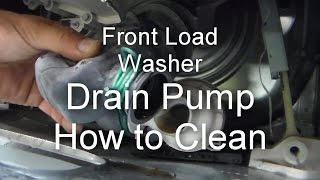
- Clogged or failed drain pump or clogged drain hose
- Defective water inlet valve or clogged inlet screens
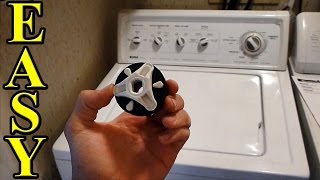
- Worn drive components (motor, coupling, clutch, transmission)
- Broken suspension/shock absorbers or tub bearings causing noise/vibration
Popular Parts That Fix This Problem
These are the most common replacement parts that fix this problem. When you're ready to order, click below to find the right part at ProsourceParts.com — just search by your appliance model number for a guaranteed fit.

Helpful Repair Tip
Start with simple checks: power to the outlet, supply valves open, and the lid lock clicking. Many 'won't start' and 'won't spin' issues are caused by a failed lid lock or a tripped breaker — confirm those before replacing parts.
Frequently Asked Questions
How do I reset my MVWB835DW2 washer?
To reset, unplug the washer or switch off the circuit breaker for 60 seconds, then restore power. You can also try opening and closing the lid six times within 12 seconds (some models use lid cycles to reset). If a persistent error code remains after reset, note the code and consult the service manual or a technician.
How can I tell if the drain pump needs replacing?
Symptoms of a bad drain pump: washer fills but won't drain, pump makes a loud humming or grinding noise, or there is a visible leak from the pump housing. To confirm: disconnect power, remove pump and check for obstructions, manually spin the impeller — it should spin freely. With power and appropriate caution you can test pump operation in a drain cycle. If impeller jammed, motor doesn't run when given power, or you detect no continuity on a multimeter, replace the pump.
Related How-To Videos
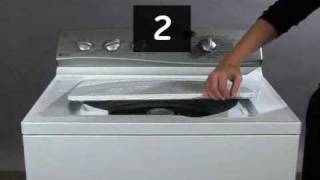
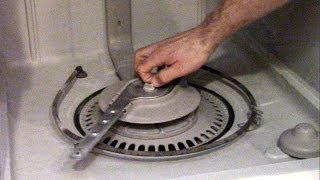
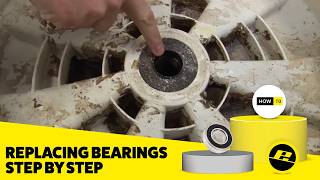
Real DIY Repair Stories
Be the first to share your repair story!
Share Your Repair Story
Your experience helps other homeowners fix their appliances. Tell us how it went!
Can't Fix It Yourself? Find a Local Technician
It's perfectly okay to call a professional. Some repairs require specialized tools, deep teardowns, or dealing with complex systems that are better left to the pros.

Find the Right Part for Your Appliance
Don't guess — search your exact appliance model number at ProsourceParts.com to find the correct OEM compatible replacement part. They offer fast free shipping, guaranteed fit, and thousands of parts in stock.
Your Free Parts Videos
Whether your dishwasher won't drain, your dryer stopped heating, or your fridge isn't cold, we've created simple repair guides for the most common appliance problems homeowners face. Each guide explains what's going wrong, the most likely causes, and which replacement parts fix the issue. When you're ready to order, we link directly to ProsourceParts.com where you can search by model number and get the right part shipped fast.