
Maytag MVW5035MW0 – Common Problems & What Parts Fix Them
Need the replacement part? Search your model number at for guaranteed fit and fast free shipping.
Understanding the Problem
This guide covers the most common problems owners see on the Maytag MVW5035MW0 top‑load washer and gives step‑by‑step diagnostics and practical repair instructions. Use the numbered checks below to quickly isolate the fault and follow the repair steps to fix it. 1) Initial checks (always do first) a. Confirm the washer has power: check the circuit breaker and try another outlet. Inspect the power cord for damage. b. Check the control panel for error codes or flashing lights — note them and consult the manual. c. Make sure the lid closes fully and the lid latch is not blocked. 2) Washer won’t start or has no power a. Verify outlet with a meter or plug a lamp into the outlet. b. Inspect the house breaker and GFCI (if used). c. If outlet is good, enter the washer’s diagnostic/Test mode (see manual) to check keypad and control response. d. If control is unresponsive and outlet is good, suspect a failed main control board, user interface / console, or wiring harness. Replace the faulty module. 3) Washer won’t fill or fills slowly a. Check water supply valves are fully open. b. Remove inlet hoses and inspect screens on the water inlet valve for debris. Clean. c. If screens are clear but filling is slow or one side doesn’t fill, test the water inlet valve solenoids with a multimeter. If open/short or not operating, replace the water inlet valve. 4) Washer won’t drain or won’t spin a. First, run a drain/spin cycle and listen for the drain pump. b. Check the pump filter (if the model has one) and drain hose for clogs; remove debris. c. If pump makes a humming noise or doesn’t run, disconnect and bench test the drain pump with 120VAC (or test continuity with a meter) — replace the pump if seized or electrically faulty. d. If pump runs but tub won’t spin, check the lid lock/lid switch (washer won’t spin if lid lock fails), drive motor, drive coupling/clutch (if equipped), or belt (some models). Inspect the washer for a locked or jammed transmission or worn drive components. 5) Noisy, grinding, or thumping during spin a. Balance the load; an off‑balance load can trigger repeated attempts to redistribute and noisy spinning. b. Inspect the tub bearings, drive motor, and spider (agitator/tub support). Frayed belts, worn pulleys, or failing bearings can cause grinding. c. Check for foreign objects trapped between tub and outer tub. Remove the agitator and inspect the basket and drive area. Replace worn bearings/clutch/drive components as needed. 6) Leaks from washer a. Identify leak source: front, back, under the unit. Run a short cycle and observe. b. Inspect fill hoses, hose clamps, water inlet valve, drain hose, and pump seals. Tighten or replace leaking hoses and clamps. c. If leak appears from under the tub, inspect tub-to-pump hoses and tub seal; a failed tub seal or cracked outer tub may require major repair or replacement. 7) Error codes / F‑codes a. Note the code and consult the service manual for MVW5035MW0. Codes often point to issues like long fill, drain fault, or lid lock. b. Use the diagnostic mode to run component tests for valves, pumps, sensors and the motor. Repair/replace the failing component indicated by the test. 8) Odor or residue buildup a. Run a hot wash with washer cleaner or 1–2 cups of white vinegar and the hottest cycle to remove residue. b. Clean gasket (if present), dispenser, and detergent drawer. Leave lid open between uses to air out the tub. 9) Step‑by‑step example repair: Replace a faulty drain pump a. Unplug washer and shut off water. b. Pull washer away from wall; remove access panel (usually front or back depending on model). c. Place a towel and shallow pan under pump to catch residual water. d. Disconnect electrical connector(s) and drain hose(s) from pump. Note hose routing or take a photo. e. Remove mounting screws/clips and remove old pump. f. Install new pump, reconnect hoses and connectors, secure mounting, restore power/water and run a drain test. 10) When to call a pro a. If you find damaged main wiring, a cracked tub, or a seized transmission, these are advanced repairs best handled by a qualified technician. Safety note: Always disconnect the washer from power and shut off water before inspecting or replacing components. Use a multimeter only if you know how to safely test live circuits — otherwise leave electrical testing to a technician.
Common Symptoms
Washer won’t start, won’t fill, won’t drain, won’t spin, loud noises during spin, leaks, or error codes displayed on the control panel.
Common Causes
- Power or control board failure
- Clogged or failed drain pump/hose
- Faulty lid lock or door switch preventing spin
- Water inlet valve or clogged inlet screens
- Worn motor, drive coupling, clutch, or tub bearings
Popular Parts That Fix This Problem
These are the most common replacement parts that fix this problem. When you're ready to order, click below to find the right part at ProsourceParts.com — just search by your appliance model number for a guaranteed fit.
Helpful Repair Tip
Confirm the faulty part by running the washer’s diagnostic mode and performing an individual component test (e.g., command the drain pump to run while watching/feeling the pump). Also use a multimeter to check continuity/resistance on solenoids, pumps and motors before replacing.
Frequently Asked Questions
How do I run diagnostics or read error codes on the MVW5035MW0?
The washer has a diagnostic mode that lets you run individual tests for valves, pump and motor and shows fault codes. Exact entry steps depend on control version — consult the owner’s or service manual for MVW5035MW0. If you don’t have the manual, look up the model on the manufacturer site to download the service sheet, or note flashing patterns and codes and compare to code tables in the manual.
Can I replace parts myself or should I hire a technician?
Many repairs like replacing the drain pump, inlet valve, lid lock, hoses or the control console can be done by a handy homeowner with basic tools and a multimeter. Major repairs — cracked tubs, transmission replacement, or complicated control board troubleshooting — are best handled by a pro. Always disconnect power and water before starting work, and verify part compatibility with your exact model and serial number.
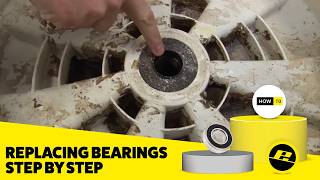
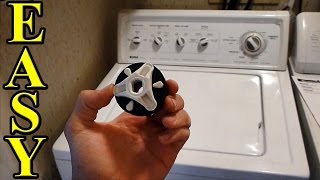
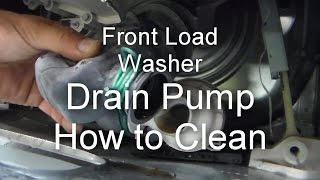
Related How-To Videos
Real DIY Repair Stories
Be the first to share your repair story!
Share Your Repair Story
Your experience helps other homeowners fix their appliances. Tell us how it went!
Can't Fix It Yourself? Find a Local Technician
It's perfectly okay to call a professional. Some repairs require specialized tools, deep teardowns, or dealing with complex systems that are better left to the pros.

Find the Right Part for Your Appliance
Don't guess — search your exact appliance model number at ProsourceParts.com to find the correct OEM compatible replacement part. They offer fast free shipping, guaranteed fit, and thousands of parts in stock.
Your Free Parts Videos
Whether your dishwasher won't drain, your dryer stopped heating, or your fridge isn't cold, we've created simple repair guides for the most common appliance problems homeowners face. Each guide explains what's going wrong, the most likely causes, and which replacement parts fix the issue. When you're ready to order, we link directly to ProsourceParts.com where you can search by model number and get the right part shipped fast.