
MAH6500AAW Washer Troubleshooting – What to Check and How to Fix It
Need the replacement part? Search your model number at for guaranteed fit and fast free shipping.
Understanding the Problem
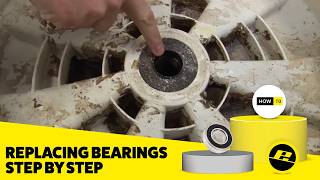
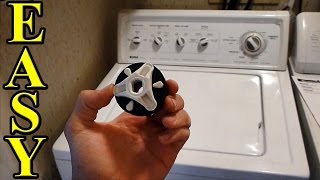
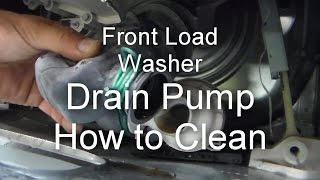
This guide covers the most common problems owners see with MAH6500AAW top‑load washing machines and gives clear step‑by‑step diagnostics and repair actions you can perform at home. Below are the typical symptoms and the prioritized parts and checks to perform for each symptom. Follow the numbered diagnostic steps and use the repair steps that match the failed component. Always disconnect power and shut off water before starting any repair. 1) Washer won't start / won't respond - What to check first: household power, door/lid switch, start switch, control console, fuses/circuit breaker. - Diagnostics and repair steps: 1. Verify power: plug another device into the same outlet and check the breaker. Reset breaker if tripped. 2. Inspect the lid: open/close the lid and listen for a click from the lid switch/lock. If no click, test the lid switch for continuity with a multimeter (unplug washer first). 3. Test start button and console: if the lid switch is OK, try other cycles. If the console is dead, check for burnt connectors on the control board and test for incoming line voltage at the board. 4. Replace the lid switch or control board if faulty. Re-assemble and test. 2) Washer won't fill or fills slowly - What to check first: water supply valves, inlet hoses, water inlet valve, inlet screen screens, water pressure. - Diagnostics and repair steps: 1. Confirm cold and hot water valves at the wall are fully open. 2. Remove inlet hoses and check screens on the inlet valve for debris; clean if clogged. 3. Measure water pressure at the house faucets — low household pressure will slow fill. 4. Unplug the washer and test the inlet valve solenoids for continuity with a multimeter. If a solenoid has no continuity or the valve leaks, replace the water inlet valve assembly. 3) Washer won't spin or agitate properly - What to check first: lid switch, drive belt (if belt‑drive), motor coupling, clutch, motor, transmission/gearcase. - Diagnostics and repair steps: 1. Start a spin/agitate cycle and listen: does the motor hum but not spin? A hum with no movement often indicates a bad motor coupling or jammed gearcase. 2. Inspect the belt (if present) for wear or breakage; replace worn belts. 3. For direct‑drive models, check the motor coupling (plastic or rubber piece between motor and transmission). Visually inspect and replace if broken. 4. If the washer makes a loud grinding or knocking, the gearcase (transmission) or bearings may be failing — this is an advanced repair and usually requires removing the tub and replacing the gearcase or bearing kit. 4) Washer won't drain or pump out water - What to check first: drain hose kinked/clogged, pump filter/trap, drain pump motor. - Diagnostics and repair steps: 1. Check for kinks in the drain hose and clear any visible clogs at the standpipe. 2. If your model has a pump filter or service access, remove and clean it. Collect water in a shallow pan when opening. 3. Listen for the drain pump when in drain cycle. If you hear nothing, test the pump for power during drain and for continuity with a multimeter. 4. Replace the drain pump if it fails to run or is noisy and not pumping. 5) Washer noisy, vibrating, or banging - What to check first: shipping bolts removed, load balance, suspension/shock absorbers, tub bearing, foreign objects. - Diagnostics and repair steps: 1. Verify shipping bolts (if recently moved) were removed from the back of the washer. 2. Run an empty spin cycle and listen. If noise persists, inspect shock absorbers/springs and suspension rods for wear and replace as a set if damaged. 3. If you hear rumbling or grinding, the tub bearings or seal may be failing — this typically requires disassembling the tub and replacing the bearing and seal kit. 4. Check inside the tub and pump for coins, small items, or clothing caught between tub and outer tub. 6) Washer leaks water - What to check first: inlet hoses and clamps, drain hose connection, pump seals, tub seal, detergent drawer area. - Diagnostics and repair steps: 1. Inspect hoses for cracks, loose clamps, or worn fittings; tighten hose clamps and replace damaged hoses. 2. Run a short cycle and watch to find the leak source. If the leak is at the pump, replace the pump and its gaskets. 3. If water leaks between inner and outer tub, the tub seal or bearing assembly is likely worn — this requires major disassembly and a bearing/seal replacement. Tools commonly required: multimeter, nut drivers/screwdrivers, pliers, socket set, putty tray for draining water, replacement hoses/parts, service manual for model-specific steps. Safety note: Always unplug the washer and shut off water supply before performing electrical or water system repairs. Use correct replacement parts and avoid working on sealed gearboxes unless you have experience; consider a professional for transmission or major tub/bearing work.
Common Symptoms
Won't start, won't fill, won't drain, won't spin, loud noises during spin, water leaks, error codes or flashing lights on the console.
Common Causes
- Tripped breaker or no power to the washer
- Faulty lid switch or lid lock assembly
- Clogged inlet screens or failed water inlet valve
- Clogged drain hose or failed drain pump
- Worn drive belt, motor coupling, clutch, or transmission failure
- Worn suspension/shocks or tub bearings causing noise and vibration
- Damaged hoses, pump seals, or tub seal causing leaks
Popular Parts That Fix This Problem
These are the most common replacement parts that fix this problem. When you're ready to order, click below to find the right part at ProsourceParts.com — just search by your appliance model number for a guaranteed fit.
Helpful Repair Tip
Use a multimeter to check continuity of the lid switch, inlet valve solenoids, drain pump, and motor windings while the machine is unplugged — that quickly confirms many common failures.
Frequently Asked Questions
How do I find the exact replacement part for MAH6500AAW?
Locate the washer's full model and serial tag (usually on the back panel or inside the cabinet under the lid). Use that exact model number on appliance parts retailer sites or the manufacturer's parts lookup. Many parts are model‑specific, so confirm fit by entering MAH6500AAW when searching.
Can I replace the drain pump or lid switch myself?
Yes — replacing a drain pump or lid switch is a common DIY repair if you have basic tools. Always unplug the washer and turn off the water first, take pictures during disassembly for reference, and test after replacement. For transmission, tub bearing, or sealed gearcase work, consider hiring a technician unless you have experience with large appliance disassembly.
Related How-To Videos
Real DIY Repair Stories
Be the first to share your repair story!
Share Your Repair Story
Your experience helps other homeowners fix their appliances. Tell us how it went!
Can't Fix It Yourself? Find a Local Technician
It's perfectly okay to call a professional. Some repairs require specialized tools, deep teardowns, or dealing with complex systems that are better left to the pros.
Find the Right Part for Your Appliance
Don't guess — search your exact appliance model number at ProsourceParts.com to find the correct OEM compatible replacement part. They offer fast free shipping, guaranteed fit, and thousands of parts in stock.
Your Free Parts Videos
Whether your dishwasher won't drain, your dryer stopped heating, or your fridge isn't cold, we've created simple repair guides for the most common appliance problems homeowners face. Each guide explains what's going wrong, the most likely causes, and which replacement parts fix the issue. When you're ready to order, we link directly to ProsourceParts.com where you can search by model number and get the right part shipped fast.