
MAH14PRAWW Washer Drum Bearing & Seal Replacement – How to Diagnose and Fix
Need the replacement part? Search your model number at for guaranteed fit and fast free shipping.
Understanding the Problem
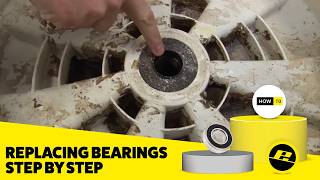
This guide explains how to diagnose and replace a worn drum bearing and the tub (shaft) seal on a MAH14PRAWW washer. Bearing or seal failure is a common cause of loud grinding, wobbling, and rear-end water leaks. Follow these steps to confirm the fault and perform the repair. 1) Preliminary diagnosis (what to check first): - Spin test: With the washer empty, open the lid and manually spin the inner tub. Listen for grinding, rumbling, or scraping and feel for roughness or catches. A good bearing spins smoothly and quietly. - Play/wobble: Grab the inner tub and rock it back and forth. Any noticeable radial play (>1/8 inch / 3 mm) at the rear indicates worn bearings or a failed shaft/retaining hardware. - Visual signs: Look for water leaks at the rear axle area, rust trails down the back of the cabinet, or metal shavings in the drain filter or tub water—these indicate seal/bearing failure. - Noise when loaded vs empty: Bearings make a constant grinding/rumbling that typically gets louder during high-speed spin. A failed seal is often accompanied by oil/grey grease or water leaking from the rear. 2) Tools and materials you'll need: - Basic hand tools: nut drivers, socket set, screwdrivers, pliers - 1/2" socket or wrench for hub nut (size varies by model) - Bearing puller or bearing press (a hydraulic press or large arbor press makes installation easier) - Rubber mallet and large punch or drift - New bearing & seal kit (order by model MAH14PRAWW) and any hub retainers/clips - High-temperature grease, RTV or silicone as required - Safety gear: gloves, eye protection 3) Preparation and safety: - Unplug the washer and shut off the water supply. Drain any water from the tub and hoses. - Place towels under the machine to catch residual water and set the washer on a level, sturdy surface. 4) Disassembly — access the rear of the inner tub and bearings: - Remove the cabinet or top/back panels to access the drive components (refer to your model's service manual for panel fastener locations). - Remove the drive belt and motor if necessary to gain clearance for the tub to be removed. - Remove the rear tub cover/pulley/hub assembly. You may need to remove the agitator or inner-tub components first depending on the model. - With the outer/tub assembly exposed, remove the large hub nut or retaining hardware that secures the inner tub to the shaft. Keep track of washers/spacers. - Lift out the inner tub to expose the bearing on the outer tub / bearing housing. On some designs you remove the outer tub to press the bearing out; on others you remove the bearing from the shaft. 5) Remove old bearing and seal: - Use a bearing puller, slide hammer, or press to remove the old bearing from the housing. Expect rust or seized press fit; apply penetrating oil and give time if seized. - Pry out the old tub seal carefully to avoid damaging the housing. - Clean the bearing housing and shaft thoroughly—remove rust, old grease, and corrosion. Measure the housing bore and shaft for wear; severe scoring may require replacing the tub or shaft. 6) Install new seal and bearing: - Install the new tub seal (lip toward the bearing/washer interior). Lightly coat the seal lip with clean oil or appropriate lubricant per kit instructions. - Press the new bearing squarely into the housing using a press or a bearing driver; do not hammer directly on the bearing race. A gentle, even press prevents damage. - If the repair kit includes a new retaining clip, hub, or spacer, replace those parts in the correct order. - Reinstall the inner tub, hub nut, and any spacers. Torque the hub nut to the manufacturer specification if known; if unknown, tighten firmly but avoid crushing bearings. 7) Reassembly and test: - Reinstall the motor, belt, panels, and reconnect hoses/electrical. - Turn on the water supply, plug in the washer, and run a short spin cycle empty. Listen for smooth operation and check under/machinery for leaks. - If noise, wobble, or leaks persist, stop and re-check bearing seating, seal orientation, and all fasteners. 8) When to replace the tub or call a pro: - If the bearing housing or shaft is heavily corroded or scored, or if the hub/tub is cracked, a full tub replacement or professional service is usually required. Safety note: Always unplug the washer and shut off the water before starting work. Bearings and tubs are heavy—use safe lifting practices or get a helper. If you do not have a bearing press or are uncomfortable with heavy disassembly, contact a qualified appliance technician.
Common Symptoms
Loud grinding or rumbling during spin, excessive vibration or wobble, water leaking from the rear of the washer, metal shavings or grey grease in the tub or drain, and progressive noise that worsens with use.
Common Causes
- Worn or pitted rear drum bearing from normal wear or water intrusion
- Failed tub (shaft) seal allowing water to reach and corrode the bearing
- Corrosion or scoring of the tub shaft or bearing housing due to long-term leakage
Popular Parts That Fix This Problem
These are the most common replacement parts that fix this problem. When you're ready to order, click below to find the right part at ProsourceParts.com — just search by your appliance model number for a guaranteed fit.
Helpful Repair Tip
To confirm a bad bearing: spin the inner tub by hand and listen closely for a constant grinding or rumbling noise and feel for roughness; also check for rear-end water stains or metal flakes in the drain—if present, replace bearing and seal together.
Frequently Asked Questions
Do I need to replace both the bearing and the seal?
Yes — if the seal has failed water will have contaminated the bearing. Replace both bearing and seal at the same time to prevent immediate recontamination and to ensure a long-lasting repair.
Can I replace just the bearing myself or should I buy a whole tub assembly?
If the bearing housing, tub shaft, and hub are in good condition you can replace the bearing and seal. However, if the housing or shaft is heavily corroded, scored, or the tub/spider is cracked, replacing the entire tub assembly is often the more reliable solution. Replacing bearings requires a press or correct tools; if you lack those tools or find severe corrosion, consider a professional repair.
Related How-To Videos
Real DIY Repair Stories
Be the first to share your repair story!
Share Your Repair Story
Your experience helps other homeowners fix their appliances. Tell us how it went!
Can't Fix It Yourself? Find a Local Technician
It's perfectly okay to call a professional. Some repairs require specialized tools, deep teardowns, or dealing with complex systems that are better left to the pros.
Find the Right Part for Your Appliance
Don't guess — search your exact appliance model number at ProsourceParts.com to find the correct OEM compatible replacement part. They offer fast free shipping, guaranteed fit, and thousands of parts in stock.
Your Free Parts Videos
Whether your dishwasher won't drain, your dryer stopped heating, or your fridge isn't cold, we've created simple repair guides for the most common appliance problems homeowners face. Each guide explains what's going wrong, the most likely causes, and which replacement parts fix the issue. When you're ready to order, we link directly to ProsourceParts.com where you can search by model number and get the right part shipped fast.