
Lower Rinse Arm (Lower Spray Arm) – What Part Fixes This Problem?
Need the replacement part? Search your model number at for guaranteed fit and fast free shipping.
Understanding the Problem
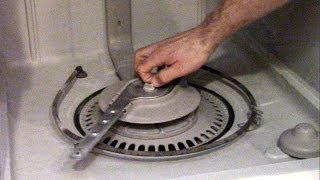
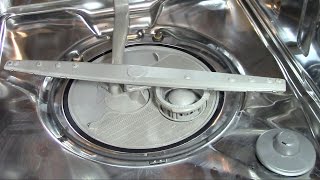
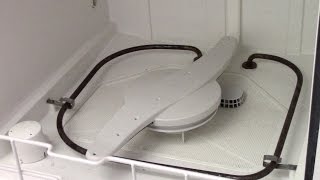
The lower rinse arm (also called the lower spray arm) is the rotating plastic arm under the bottom rack that sprays water to clean dishes. If it’s clogged, cracked, loose, or its hub/bearing is worn, the bottom rack won’t get enough spray and dishes will remain dirty. Below are practical diagnostic and repair steps you can follow. 1) Tools & prep: gather needle-nose pliers, Phillips/flat screwdriver, small brush/toothbrush, thin wire or pin, white vinegar or descaler, bucket, replacement lower spray arm (matched to your model), and gloves. Turn off power to the dishwasher at the breaker and shut off the water supply if you’ll be disconnecting any fittings. 2) Access the arm: remove the bottom rack and slide it out. Inspect the lower spray arm and hub visually for cracks, broken fins, missing end cap, or a loose retaining nut/clip. 3) Check for free rotation: spin the arm by hand. It should rotate freely and return smoothly; if it binds, wobbles, or hits the tub, there’s a problem with the arm or its hub/bushing. 4) Inspect spray holes: hold the arm up to a bright light. Many holes clogged with food or mineral deposits cause weak spray. Use a thin wire or pin to clear each hole; rinse under tap water. 5) Remove the arm: most lower arms pop off or unscrew. Common removal steps: remove any locking clip or plastic cap at the center, then pull the arm straight off the hub. Some models have a threaded nut—turn counterclockwise to remove. Keep track of any spacers or seals. 6) Clean the arm: soak the arm for 20–60 minutes in a 50/50 white vinegar-water solution to dissolve lime and mineral buildup. Use a toothbrush to scrub. Rinse thoroughly. 7) Inspect hub, bearings, and seal: with the arm removed, inspect the hub where it sits on the pump/spindle. Look for cracked plastic, worn splines, broken retainer clips, or a missing bearing/bushing. Also inspect the inlet screen/strainer and the pump housing for debris. 8) Test water flow: with the arm removed, run a short cycle (power on) and observe the flow at the pump outlet (be careful — electrical parts are still live). If water output is weak from the pump outlet, the issue may be pump or clogged filter, not the arm. Turn power off again afterwards. 9) Replace if damaged: if the arm has cracks, broken spray fins, stripped splines, or the hub/bushing is worn, replace the lower spray arm and any worn retainer or seal. Fit the new arm onto the hub, reinstall clips/nuts and the bottom rack. 10) Reassemble and test: restore power, run a normal cycle with empty dishwasher and check that the arm spins and sprays strongly. Inspect for leaks and listen for unusual noises. 11) When to replace pump or sump parts: if the arm is fine after cleaning and the pump outlet has good water flow yet bottom spray is weak, check the diverter (on some models), the drain pump screen, or the circulation pump for wear or blockage—these may require professional repair. 12) Final checks & maintenance: clean the dishwasher filter and sump frequently, avoid overloading the bottom rack, and use a water softener or descaler if you have hard water. Safety note: always disconnect power at the breaker before doing any internal work. When testing with power on, avoid contact with electrical components and keep hands dry.
Common Symptoms
Bottom-rack dishes stay dirty, water spray holes clogged or leaking, lower arm wobbles/doesn't spin, loud knocking from lower tub during cycle.
Common Causes
- Spray holes clogged with food or mineral deposits
- Cracked or damaged spray arm or broken mounting splines/retainer
- Worn hub/bushing or weak/blocked circulation pump reducing flow
Popular Parts That Fix This Problem
These are the most common replacement parts that fix this problem. When you're ready to order, click below to find the right part at ProsourceParts.com — just search by your appliance model number for a guaranteed fit.

Helpful Repair Tip
Run a short wash with the door cracked and watch the lower arm — if it doesn’t spin even after cleaning, check the hub splines/retainer and replace the arm or hub assembly.
Frequently Asked Questions
How can I tell if the lower rinse arm just needs cleaning or needs to be replaced?
If the arm’s spray holes are clogged or there is mineral buildup, cleaning and descaling usually restore performance. Replace the arm if you see cracks, missing/broken spray fins, stripped splines where it mounts, excessive wobble, or if it still won’t spin after cleaning and checking the hub bearing.
Can I install a universal spray arm or do I need an exact OEM replacement?
Universal spray arms exist, but fit and mounting geometry vary. For reliable spray pattern and fit (spline size, mounting retainer, and inlet alignment), it’s best to order an OEM or exact-fit aftermarket part matched to your dishwasher model number.
Related How-To Videos
Real DIY Repair Stories
Be the first to share your repair story!
Share Your Repair Story
Your experience helps other homeowners fix their appliances. Tell us how it went!
Can't Fix It Yourself? Find a Local Technician
It's perfectly okay to call a professional. Some repairs require specialized tools, deep teardowns, or dealing with complex systems that are better left to the pros.

Find the Right Part for Your Appliance
Don't guess — search your exact appliance model number at ProsourceParts.com to find the correct OEM compatible replacement part. They offer fast free shipping, guaranteed fit, and thousands of parts in stock.
Your Free Parts Videos
Whether your dishwasher won't drain, your dryer stopped heating, or your fridge isn't cold, we've created simple repair guides for the most common appliance problems homeowners face. Each guide explains what's going wrong, the most likely causes, and which replacement parts fix the issue. When you're ready to order, we link directly to ProsourceParts.com where you can search by model number and get the right part shipped fast.