
LG WM9000VHA Drain Pump — What Part Fixes Drain/No-Drain Problems?
Need the replacement part? Search your model number at for guaranteed fit and fast free shipping.
Understanding the Problem
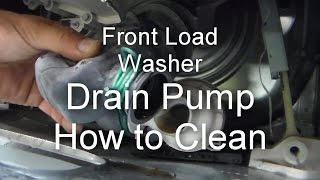
What the drain pump does: The drain pump moves wash water out of the drum and into your household drain during drain and spin cycles. On the LG WM9000VHA a failed pump or clogged pump/filter/hose will cause the washer to show a drain-related error (OE), leave water in the drum, buzz without draining, or leak from the bottom. Step-by-step diagnostic and repair steps: 1) Confirm the symptom and error code: If the washer displays "OE" or fails to drain and holds water after a cycle, it's often pump or drain obstruction related. Note any unusual noises (grinding/humming) or visible leaks from the bottom/front. 2) Safety first: Unplug the washer and shut off the water supply. Move the washer away from the wall to access the back or front lower access panel. Place towels or a shallow pan under the machine to catch residual water. 3) Check external drain path: Inspect the standpipe/household drain and the drain hose for kinks, clogs, or an improperly installed high loop. Clear blockages if found and test a quick drain/spin cycle. 4) Inspect the pump/filter area: On WM9000VHA the drain pump and filter are behind the lower front kick panel. Remove the kick panel (usually 2–4 screws) and slowly open the small drain access or remove the drain hose cap to drain residual water into a container. Look for visible debris or foreign objects that jam the impeller. 5) Manual impeller check: With power still OFF, disconnect the pump's electrical connector and visually spin the impeller (if accessible). If it won't turn freely or is blocked by coins/socks/labels, remove the obstruction and retest. 6) Electrical test of the pump: Use a multimeter set to ohms. Measure resistance across the pump motor terminals. A typical working pump shows low to moderate resistance (tens to a few hundred ohms depending on model). An open circuit (infinite/OL) or burnt smell indicates a failed motor and requires replacement. 7) Apply a direct power test (only if you are experienced and comfortable working with mains voltage): With the pump disconnected from the washer wiring harness, you can briefly apply 120VAC to the pump terminals to verify it runs (this is a definitive test). If the pump runs on direct power, the issue may be the control board or wiring. If it doesn't run, replace the pump. 8) Replace the pump (if diagnosed bad): Remove the clamps or screws holding the pump and hoses. Note hose routing and orientation. Disconnect the electrical connector. Remove the pump assembly and install the new pump in reverse order. Tighten clamps and reconnect wiring. 9) Reassemble and test: Reattach the access panel, plug the washer back in, run a drain/spin diagnostic cycle or a quick rinse/drain to confirm normal draining and no leaks. 10) Verify leak-free operation: Inspect for leaks around hose clamps and pump seal while the pump is running. Safety note: Always disconnect power before working on the washer. If you are not comfortable working with mains voltage, do not perform live-voltage tests—replace the pump or consult a pro. Be careful when draining water—hot water and slippery floors are hazards.
Common Symptoms
OE or drain error, water remains in drum after cycle, buzzing or humming from bottom of washer, loud grinding or rattling during drain, water leaking from bottom/front of washer.
Common Causes
- Debris/coin/sock stuck in pump impeller or filter clogging flow
- Pump motor failure (burned windings, seized bearing)
- Wiring fault or control board not sending power to pump
Popular Parts That Fix This Problem
These are the most common replacement parts that fix this problem. When you're ready to order, click below to find the right part at ProsourceParts.com — just search by your appliance model number for a guaranteed fit.

Helpful Repair Tip
If the washer shows OE and the pump hums but doesn't spin, stick a flashlight into the pump access and try to manually rotate the impeller—if it’s seized or you can see foreign objects, the pump or its impeller is likely the problem.
Frequently Asked Questions
How much does a drain pump replacement cost for the WM9000VHA?
Parts-only for an OEM or quality aftermarket drain pump typically range from $50–$150. Labor (if you hire a tech) is commonly $100–$200 depending on local rates. Total cost usually falls between $150–$350. Prices vary—always verify part compatibility with your exact model number (WM9000VHA).
Can I run the washer if the pump is humming but not draining?
No — running the washer while it won't drain risks overflow, water damage, and can overheat or further damage the pump. Stop using the washer until you diagnose the cause (clear blockage or replace faulty pump). If the pump hums but won't turn, first check and remove any debris; if the impeller is seized or motor is dead, replace the pump.
Related How-To Videos
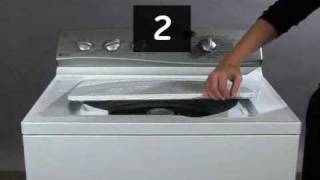
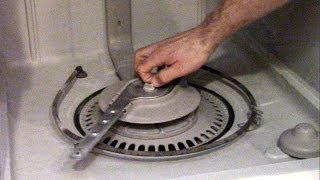
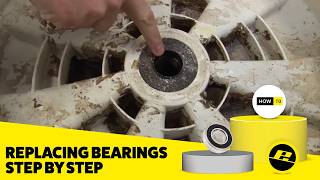

Real DIY Repair Stories
Be the first to share your repair story!
Share Your Repair Story
Your experience helps other homeowners fix their appliances. Tell us how it went!
Can't Fix It Yourself? Find a Local Technician
It's perfectly okay to call a professional. Some repairs require specialized tools, deep teardowns, or dealing with complex systems that are better left to the pros.

Find the Right Part for Your Appliance
Don't guess — search your exact appliance model number at ProsourceParts.com to find the correct OEM compatible replacement part. They offer fast free shipping, guaranteed fit, and thousands of parts in stock.
Your Free Parts Videos
Whether your dishwasher won't drain, your dryer stopped heating, or your fridge isn't cold, we've created simple repair guides for the most common appliance problems homeowners face. Each guide explains what's going wrong, the most likely causes, and which replacement parts fix the issue. When you're ready to order, we link directly to ProsourceParts.com where you can search by model number and get the right part shipped fast.