
LG WM9000VHA Drain Pump – What Part Fixes Drain / Noisy Pump Problems?
Need the replacement part? Search your model number at for guaranteed fit and fast free shipping.
Understanding the Problem
The drain pump in an LG WM9000VHA removes water from the wash tub at the end of the cycle. When it fails you may get standing water, OE (or 1 : E : r) drain errors, loud grinding or humming noises during drain, or the washer won’t advance past the drain/spin step. Diagnostic & repair steps: 1) Confirm the symptom and error codes: Run a Drain/Spin or Tub Clean cycle and watch the display. LG shows OE or a drain-related code when the pump can’t move water. Note any unusual noises (grind, rattle, hum). 2) Clear the external drain path: Unplug the washer, open the lower access area, and use the emergency drain hose or the pump filter (if present) to remove standing water into a bucket. Check the drain hose and house drain for kinks, clogs or high loops causing poor flow. 3) Inspect and remove obstructions: Remove the pump inlet hose and check for coins, socks, lint, or debris stuck at the pump impeller. Spin the impeller by hand (with power removed) to confirm it turns freely. 4) Test the pump electrically: With the washer unplugged, disconnect the pump wiring harness and measure continuity across the pump motor leads with a multimeter. A healthy pump usually shows a low resistance (tens to a few hundred ohms); an open circuit indicates a failed motor. If you’re comfortable and cautious, you can briefly energize the pump on the bench to confirm it runs—but only if you know how to do this safely and have the correct mains setup. 5) Confirm noise cause: If the pump hums but won’t turn, it’s usually seized, jammed or the motor windings are failing; replace the pump. If the pump runs but water doesn’t drain, check hoses, drain height, and home plumbing. 6) Replace the pump if faulty: Follow the replacement steps below. Replacement (how to fix – step-by-step): Tools & supplies: Phillips and flat screwdrivers, 7/16 or 11 mm nut driver, pliers, bucket, towels, new pump assembly, replacement hose clamps (optional). A) Safety first: Unplug the washer and turn off water if you plan to move it. Work on a dry floor with towels to catch spills. B) Access the pump: Move the washer away from the wall. Remove the bottom front access panel (two or more screws or snap clips) to expose the drain pump and emergency drain hose. C) Drain remaining water: Pull out the emergency drain hose cap and drain into a shallow pan or bucket. Open the pump access filter or disconnect the lower pump hose if needed to fully empty the tub. D) Disconnect pump hoses and wiring: Loosen the clamps on the inlet and outlet hoses at the pump, slide them off (expect water). Disconnect the electrical connector(s) to the pump motor. E) Remove the pump: Remove any mounting screws or clips holding the pump assembly to the washer frame and carefully pull the pump free. F) Install new pump: Position the replacement pump, secure with screws/clips, reconnect hoses with clamps seated tight, and plug the wiring harness back in. G) Test before reassembly: Plug the washer in, run a quick drain or spin cycle to confirm no leaks and that the pump runs and drains properly. If OK, unplug and reattach the lower access panel. H) Final test: Push the washer back into place and run a normal wash to verify full operation. Safety note: Always unplug the washer before doing any internal work. If you must energize the pump for testing, take proper electrical precautions or have a qualified technician do it. Verify part compatibility with your washer’s model and serial number before ordering.
Common Symptoms
Washer won’t drain or displays OE/drain error; standing water after cycle; loud grinding, rattling or humming from the bottom front during drain; intermittent draining.
Common Causes
- Clogged drain hose or pump inlet (debris, coins, small garments)
- Worn or seized pump motor or damaged impeller
- Failed pump motor electrical winding (no continuity)
- Blocked home drain or improper drain installation causing poor outflow
Popular Parts That Fix This Problem
These are the most common replacement parts that fix this problem. When you're ready to order, click below to find the right part at ProsourceParts.com — just search by your appliance model number for a guaranteed fit.

Helpful Repair Tip
If the pump hums but the impeller doesn’t turn, or a multimeter shows open circuit on the pump motor leads, the pump motor is bad and should be replaced. Also check the emergency drain hose/filter for caught items first.
Frequently Asked Questions
How do I test the drain pump on my WM9000VHA?
Unplug the washer, remove the lower access panel, and locate the pump. Visually inspect for debris and spin the impeller by hand to check freedom of movement. With the machine unplugged, disconnect the pump wiring and use a multimeter to check continuity across the motor terminals — an open reading indicates a failed motor. If comfortable with mains power testing, you can briefly energize the pump on the bench to confirm operation, but only if you know the safety procedure.
Can I repair the pump impeller or should I replace the whole pump?
Often debris removal or freeing a jammed impeller will fix the immediate problem, but if the impeller or housing is cracked, the motor is noisy/humming, or electrical testing shows an open circuit, replace the entire pump assembly. Replacement is usually affordable and more reliable than attempting to repair the motor.
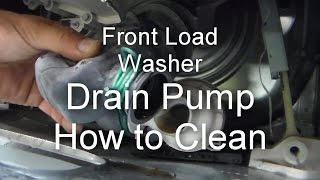
Related How-To Videos
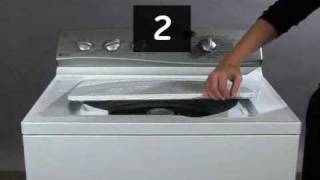
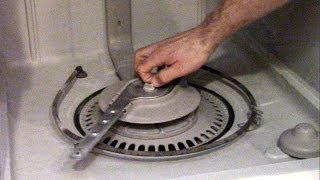
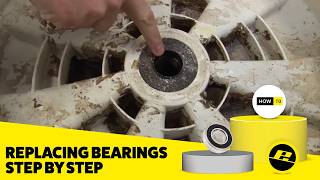

Real DIY Repair Stories
Be the first to share your repair story!
Share Your Repair Story
Your experience helps other homeowners fix their appliances. Tell us how it went!
Can't Fix It Yourself? Find a Local Technician
It's perfectly okay to call a professional. Some repairs require specialized tools, deep teardowns, or dealing with complex systems that are better left to the pros.

Find the Right Part for Your Appliance
Don't guess — search your exact appliance model number at ProsourceParts.com to find the correct OEM compatible replacement part. They offer fast free shipping, guaranteed fit, and thousands of parts in stock.
Your Free Parts Videos
Whether your dishwasher won't drain, your dryer stopped heating, or your fridge isn't cold, we've created simple repair guides for the most common appliance problems homeowners face. Each guide explains what's going wrong, the most likely causes, and which replacement parts fix the issue. When you're ready to order, we link directly to ProsourceParts.com where you can search by model number and get the right part shipped fast.