
LG WM4270HVA01 Washer — Common Problems & What Part Fixes Them
Need the replacement part? Search your model number at for guaranteed fit and fast free shipping.
Understanding the Problem
This guide covers the most common problems owners see with the LG WM4270HVA01 front-load washer — not draining (OE), not spinning/unbalanced (UE), door lock errors (dL or CL), water inlet/filling problems (IE), leaks, loud noises, and control/board failures. Below are step-by-step diagnostics and repair instructions for each issue with practical how-to steps. 1) Washer Doesn't Drain (OE error, water left in tub) 1.1. Symptoms: OE code, water remains after cycle, slow/noisy drain attempt. 1.2. Check first: drain hose, pump filter/trap (if accessible), drain pump, and foreign objects in pump impeller. 1.3. Diagnostic steps: - Unplug the washer and turn off the water supply. - Lower the front access (or tilt the machine back) to reach the drain pump area. Have towels/container ready. - Manually remove water from the tub using the emergency drain (if available) or a wet-vac. Inspect the drain hose for kinks and the standpipe/drain for clogs. - Remove the drain pump cover (or access panel) and inspect the pump impeller for coins, lint, or debris. - Test the pump: with power restored briefly (hands clear), run a drain/spin cycle and listen. If the pump doesn't run, disconnect power and test pump motor for continuity with a multimeter (expect continuity; if open, pump is bad). 1.4. How to fix: - Clear clogs in the hose or trap. Replace the drain hose if damaged. - Replace the drain pump if impeller is jammed/damaged or pump motor has no continuity or won't run under load. Reassemble and test. 2) Washer Won't Spin or Runs Unbalanced (UE error) 2.1. Symptoms: UE code, washer won't reach high spin speed, clothes are wetter than expected, excessive vibration. 2.2. Check first: load distribution, shock absorbers (dampers), suspension springs, door boot/tub for foreign objects, and drive motor/coupler. 2.3. Diagnostic steps: - Verify the load is balanced and not overloaded. - With power off, open the cabinet and inspect shock absorbers (four dampers connecting inner tub/glass to frame). Look for oil, broken mounts, or looseness. - Check suspension springs and the tub bearing area for play. Grab the inner tub and try to move it up/down and side-to-side — minimal movement only. Excessive play suggests bearings or shock failure. - If the washer hums but won't spin, check the drive motor and associated capacitor and control board outputs (requires meter and safe knowledge of mains wiring). 2.4. How to fix: - Re-balance loads and use appropriate cycle settings. - Replace worn shock absorbers or suspension springs if they are leaking, broken, or loose. - If bearings or tub seal are bad (grinding, rumbling, rust-colored water), replace the tub bearing/seal kit or the entire tub assembly. - If motor/coupler is faulty (no spin but motor gets power), test and replace the motor or control board as needed. 3) Door Won't Lock / Will Not Start (dL, CL) 3.1. Symptoms: dL or CL code, door lock/unlock clicking, or washer won’t start cycle. 3.2. Check first: door latch/lock assembly, door strike, wiring to lock, and child lock settings. 3.3. Diagnostic steps: - Make sure door is fully closed and nothing is obstructing the gasket. - Check for child lock or control lock engaged; reset by holding the appropriate buttons per manual (often ‘Child Lock’ or Power + another button). - With power off, inspect wiring to the door lock for damage. Remove and test the lock assembly for continuity across the terminals (use schematic — several terminals). Many door locks show one or more continuity paths when locked. 3.4. How to fix: - Replace the door lock assembly if it's not engaging, has burned contacts, or fails continuity tests. - Replace or repair damaged wiring/harness. After replacement, run a diagnostic or test cycle. 4) Washer Leaking Water 4.1. Symptoms: puddles under washer, water during fill or wash, visible dripping from boot or dispenser. 4.2. Check first: door boot seal (bellows), detergent drawer and hoses, drain hose/clamps, water inlet valve, and tub-to-pump connections. 4.3. Diagnostic steps: - Inspect the door boot for tears, holes, or tears in the inner seal. - Run a short cycle and watch for where water appears—front, rear, or under the machine. - Check the detergent drawer for overflowing (using too much detergent or wrong type) and inlet hoses for loose clamps. 4.4. How to fix: - Replace the door boot gasket if torn or deformed. - Tighten or replace hose clamps; replace cracked hoses or inlet valve if leaking. - Clean the detergent drawer and use HE detergent in correct amounts. 5) Loud or Unusual Noises (Grinding, Thumping, Squeal) 5.1. Symptoms: loud scraping or grinding during spin, thumping during spin, high-pitched squeal. 5.2. Check first: foreign objects in pump or drum, worn bearings, failed shock absorbers, or rubbing of clothing between tub and outer drum. 5.3. Diagnostic steps: - Remove detergent and check drum for small objects (coins, pins) — spin drum by hand to feel rough spots. - Listen to identify general area: front (pump/drive), bottom (motor/bearing), or top/back (inlet valve). - If rumbling/grinding increases with spin speed, suspect bearing failure. If noise only during drain, suspect pump. 5.4. How to fix: - Remove foreign objects; replace drain pump if noise originates from pump. - Replace drum bearings/tub seal if bearing noise persists; replace shock absorbers if thumping or excessive movement occurs. 6) Electronic Errors and Control Board Issues 6.1. Symptoms: random error codes, unresponsive console, cycles stopping mid-way. 6.2. Check first: error code meaning (refer to service manual), wiring harness connections, and power supply (surges/trips). 6.3. Diagnostic steps: - Note the exact error code; consult LG error code list for WM4270 series. - Inspect main control board connections and moisture or burn marks. Reseat connectors. - Test components (door lock, motor, valves, sensors) that correspond to the error code before replacing the board. 6.4. How to fix: - Replace the faulty component indicated by the code (e.g., inlet valve for IE errors). Replace main control board only after confirming subordinated parts are functional. Safety note: Always unplug the washer and turn off the water supply before opening panels or removing parts. Use a multimeter only if you are comfortable with electrical testing; if not, consult a qualified appliance technician. Wear gloves and eye protection when working under the machine or with sharp parts.
Common Symptoms
OE (won't drain), UE (won't spin/unbalanced), dL/CL (door lock errors), IE (water fill problems), leaks, loud noises, and random error codes.
Common Causes
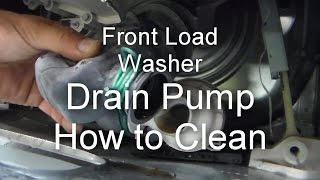
- Clogged drain hose or pump impeller
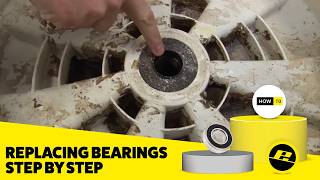
- Worn shock absorbers, bearings, or drum seal
- Failed door lock assembly or control board
Popular Parts That Fix This Problem
These are the most common replacement parts that fix this problem. When you're ready to order, click below to find the right part at ProsourceParts.com — just search by your appliance model number for a guaranteed fit.
Helpful Repair Tip
To quickly confirm a faulty drain pump, run a drain/spin cycle and listen — if you hear no motor hum and there's no continuity on the pump motor windings with a multimeter, replace the pump (common part: 4681EA2001).
Frequently Asked Questions
How do I reset my LG WM4270HVA01?
To reset, unplug the washer for 1 minute, then plug it back in. If the control is unresponsive, try turning the cycle dial to 'Cancel' or 'Power' (depending on control layout). For persistent errors, consult the error code list in the manual — some codes require clearing via the service mode.
How much does it typically cost to replace a drain pump or door lock?
Parts: a drain pump often costs $40–$120, and a door lock assembly $50–$150 depending on OEM vs aftermarket. Labor (if using a technician) varies widely — expect $100–$250 depending on travel and shop rates. DIY replacement reduces cost to parts only; follow the diagnostic steps and safety precautions in this guide.
Related How-To Videos
Real DIY Repair Stories
Be the first to share your repair story!
Share Your Repair Story
Your experience helps other homeowners fix their appliances. Tell us how it went!
Can't Fix It Yourself? Find a Local Technician
It's perfectly okay to call a professional. Some repairs require specialized tools, deep teardowns, or dealing with complex systems that are better left to the pros.

Find the Right Part for Your Appliance
Don't guess — search your exact appliance model number at ProsourceParts.com to find the correct OEM compatible replacement part. They offer fast free shipping, guaranteed fit, and thousands of parts in stock.
Your Free Parts Videos
Whether your dishwasher won't drain, your dryer stopped heating, or your fridge isn't cold, we've created simple repair guides for the most common appliance problems homeowners face. Each guide explains what's going wrong, the most likely causes, and which replacement parts fix the issue. When you're ready to order, we link directly to ProsourceParts.com where you can search by model number and get the right part shipped fast.