
LG WM3670HWA OE Error — Washer Won't Drain (How to Diagnose & Replace the Drain Pump)
Need the replacement part? Search your model number at for guaranteed fit and fast free shipping.
Understanding the Problem
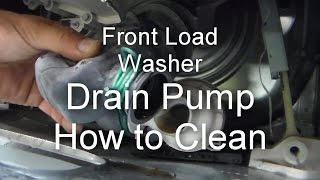
Brief explanation: The WM3670HWA frequently shows the OE error when the washer can't remove water. The most common cause is a failed or clogged drain pump, but blockages in hoses, the drain trap, or an electrical/board issue can also cause the same symptom. Below are step-by-step diagnostic checks and a practical repair procedure to replace the drain pump if needed. Step-by-step diagnostics: 1) Reproduce the symptom: Run a drain/spin or drain-only diagnostic cycle and note whether water empties at all and whether you hear the pump motor running. OE typically means water remained after the cycle. 2) Check the drain hose and standpipe: Inspect for kinks, crushing, or a clogged standpipe/drain. Remove and blow through the hose to confirm it’s clear. 3) Inspect filter/trap and drain inlet (front or bottom access): Many LG washers have a small access panel and removable filter. Open it (catch water with towels) and remove debris. A clog here can mimic pump failure. 4) Listen for pump operation: During a drain cycle, listen near the front-bottom of the washer. If you hear humming/grinding or no sound, that’s informative. A humming/no-spin pump often indicates a jam or seized impeller; silence can indicate no power to the pump or an open motor. 5) Check hoses between tub and pump: Remove and inspect for obstructions (socks, coins, fabric, lint). Use a flashlight to look inside. 6) Electrical checks (basic): Unplug washer, remove lower access panel, locate the pump. With a multimeter set to ohms, test pump motor terminals for continuity (typical small DC/AC pump motors show low resistance, often a few ohms to a few hundred ohms depending on model). No continuity suggests an open motor. 7) Test pump with direct power (advanced, optional): If comfortable and safe, with washer unplugged, disconnect pump connector and, using safe precautions, energize pump briefly to verify it runs (only if you understand mains electricity). If pump runs but still fails to drain when connected, check wiring and control board/relay. How to replace the drain pump (practical how-to): 1) Tools & prep: Unplug washer, turn off water, move washer away from wall. Have towels and a shallow pan for water. Tools: screwdriver set, pliers, socket set, multimeter, replacement pump. 2) Access the pump: For WM3670HWA the pump is accessible from the front bottom or underside. Remove the lower front access panel (usually held by screws or clips) or tip washer back with help to reach underside (if tipping, follow manufacturer guidance and secure washer). 3) Drain remaining water: Open the small filter/drain hose (if present) into a pan; otherwise, unplug inlet hoses or carefully relieve water into towels/pan. 4) Note wiring/hose locations: Take photos of the pump wiring harness and hose connections to ensure correct reassembly. 5) Remove hoses: Use pliers to loosen the clamp(s) on the pump inlet/outlet hoses and slide hoses off. Be ready for residual water. 6) Unplug electrical connector: Depress the locking tab and pull connector off pump. 7) Remove pump mounting screws/clips: Remove fasteners holding pump to tub/chassis. Pull pump out. 8) Install new pump: Position replacement pump, secure mounting fasteners, reconnect hoses and clamps, plug electrical connector back on. 9) Test before reassembly: Plug washer in, run a drain/spin cycle to confirm water evacuates and no leaks occur. If OK, reattach access panel and push washer back into place. 10) Final checks: Confirm no unusual noises and that OE error is cleared. Safety note: Always unplug the washer before accessing internal components. If you are not comfortable working with mains electricity, do not attempt direct-power testing of the pump or any live electrical troubleshooting — call a qualified technician.
Common Symptoms
OE error code on display; water left in drum after cycle; washer won't drain or spin; humming/noise from front-bottom area; visible leaks at pump hose connections.
Common Causes
- Clogged drain pump or inlet/outlet hoses (coins, lint, garments)
- Failed/seized drain pump motor or damaged impeller
- Obstructed household drain or kinked drain hose
- Electrical fault: wiring, connector, or control board/relay not powering pump
Popular Parts That Fix This Problem
These are the most common replacement parts that fix this problem. When you're ready to order, click below to find the right part at ProsourceParts.com — just search by your appliance model number for a guaranteed fit.
Helpful Repair Tip
If you hear the pump running but the washer still won't drain, remove the pump and inspect the impeller for trapped debris or a damaged impeller; a jammed impeller is a common sign the pump needs replacement.
Frequently Asked Questions
How much does it cost to replace the drain pump on an LG WM3670HWA?
Part cost for an OEM drain pump typically ranges from $40–$130 depending on supplier; labor (if using a technician) varies by region, often $100–$200. If you replace it yourself you'll save labor costs — the job is commonly 30–60 minutes for a homeowner familiar with basic tools.
Can I run the washer without replacing the pump if it’s clogged?
You can temporarily clear a clog (remove debris from filter, hoses, or pump) and run the washer, but if the pump motor is damaged or the impeller is broken, the problem will recur. Cleaning a clog is a valid short-term fix; replace the pump if it shows electrical failure, seized shaft, or internal damage.
Related How-To Videos
Real DIY Repair Stories
Be the first to share your repair story!
Share Your Repair Story
Your experience helps other homeowners fix their appliances. Tell us how it went!
Can't Fix It Yourself? Find a Local Technician
It's perfectly okay to call a professional. Some repairs require specialized tools, deep teardowns, or dealing with complex systems that are better left to the pros.

Find the Right Part for Your Appliance
Don't guess — search your exact appliance model number at ProsourceParts.com to find the correct OEM compatible replacement part. They offer fast free shipping, guaranteed fit, and thousands of parts in stock.
Your Free Parts Videos
Whether your dishwasher won't drain, your dryer stopped heating, or your fridge isn't cold, we've created simple repair guides for the most common appliance problems homeowners face. Each guide explains what's going wrong, the most likely causes, and which replacement parts fix the issue. When you're ready to order, we link directly to ProsourceParts.com where you can search by model number and get the right part shipped fast.