
LG WM2250CW00 Washer Door Magnet/Plunger – What Fixes a Door That Won't Latch or Start?
Need the replacement part? Search your model number at for guaranteed fit and fast free shipping.
Understanding the Problem
What this part is and why it matters: On LG front‑load washers like the WM2250CW00 the door latch assembly contains a spring‑loaded plunger and an electrical lock/sensor. The plunger physically engages the door striker and often actuates a switch (or magnet sensor) that tells the control board the door is closed and locked. If the plunger or magnet fails, the washer may refuse to start, show a door/dL error, unlock mid‑cycle, or run but not spin. Step‑by‑step diagnostics and repair: 1) Safety first: Unplug the washer and turn off the water. Work on a dry floor and wear eye protection. 2) Confirm symptoms: Note error codes (dL, DOOR, or no code), whether the door stays latched, if the washer refuses to start, or if it stops mid‑cycle and unlocks. 3) Visual inspection: Open the door and inspect the latch area (on the right side of the door opening). Look for a broken/plastic plunger, cracked housing, missing spring, corrosion, or scorched connectors. Also inspect the door strike (metal ring on the door) for wear or misalignment. 4) Manual plunger test: With the washer unplugged, press the plunger by hand — it should move smoothly and spring back. If it’s stuck, binding, or falls into the housing, the mechanical part is bad. 5) Electrical test (multimeter): Locate the door lock/latch connector and backprobe the harness or disconnect the assembly and measure across the lock's terminals. Put your meter to continuity or low ohms. Actuate the plunger while watching the meter. The lock should change state when pressed. If there’s no change, or the switch contacts are intermittent, the latch assembly is faulty. (If you have LG service info, compare to specified resistance; otherwise, a switching action is the key result.) 6) Check wiring and control: If the latch tests mechanically and electrically good, inspect the harness for broken wires, burned pins, or water intrusion. Test for voltage from the control board only if you are comfortable and the service manual provides the expected voltages. 7) Replace the part if faulty: Order the correct door latch/lock assembly (see parts below). Typical replacement steps: remove top or front trim to access the latch, remove screws holding the latch, disconnect the wiring harness, fit the new latch (ensure plunger orientation matches), reconnect harness, reassemble panels, and test a cycle. 8) Reassembly and test: Plug the washer back in, run a quick drain/spin or a rinse cycle and verify the door locks, the washer starts, and there are no error codes. How to fix (concise repair steps): - Remove power. Remove two screws at the top back to slide the top panel off (or follow your model's front panel removal instructions). - Expose the latch on the right of the door opening, remove the screws securing the latch, and pull the latch forward to reach the wire connector. - Disconnect the harness (release the locking tab) and remove the old latch. Install the new latch, connect the harness, secure screws, and reassemble. - Power up and confirm operation. Safety note: Always disconnect power before testing or removing the door lock. If you perform live voltage checks, use insulated tools, and only proceed if you are experienced with electrical testing. If unsure, hire a qualified technician.
Common Symptoms
Washer won't start or shows a door/dL error, door won't lock or unlock, washer stops mid‑cycle and unlocks, intermittent door latch behavior, visible broken or stuck plunger.
Common Causes
- Worn, broken, or stuck plunger in the door latch assembly
- Failed internal switch or magnet in the door lock (electrical failure)
- Misaligned door strike or hinge causing the plunger not to engage
Popular Parts That Fix This Problem
These are the most common replacement parts that fix this problem. When you're ready to order, click below to find the right part at ProsourceParts.com — just search by your appliance model number for a guaranteed fit.

Helpful Repair Tip
To confirm failure, press the plunger while measuring continuity; if the circuit does not change or the plunger is loose/broken, replace the door lock/latch assembly.
Frequently Asked Questions
Can I run the washer if the door latch/plunger is broken?
No — do not run the washer with a broken door latch/plunger. The washer's control will usually prevent operation for safety (to avoid water spill and injury). A broken latch can also allow the door to pop open mid‑cycle, risking water damage. Replace the latch before normal use.
How long does it take and how much does it cost to replace the door latch?
Labor time for a competent DIYer is typically 20–45 minutes. The part cost for an OEM LG door lock assembly usually ranges from about $30–$90 depending on source. If you hire a technician, add labor — often $75–$150 depending on local rates.
Related How-To Videos
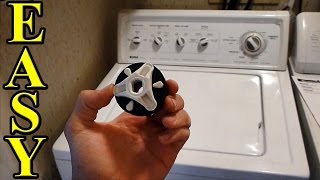


Real DIY Repair Stories
Be the first to share your repair story!
Share Your Repair Story
Your experience helps other homeowners fix their appliances. Tell us how it went!
Can't Fix It Yourself? Find a Local Technician
It's perfectly okay to call a professional. Some repairs require specialized tools, deep teardowns, or dealing with complex systems that are better left to the pros.

Find the Right Part for Your Appliance
Don't guess — search your exact appliance model number at ProsourceParts.com to find the correct OEM compatible replacement part. They offer fast free shipping, guaranteed fit, and thousands of parts in stock.
Your Free Parts Videos
Whether your dishwasher won't drain, your dryer stopped heating, or your fridge isn't cold, we've created simple repair guides for the most common appliance problems homeowners face. Each guide explains what's going wrong, the most likely causes, and which replacement parts fix the issue. When you're ready to order, we link directly to ProsourceParts.com where you can search by model number and get the right part shipped fast.