
LG WM0642HW Squealing Noise — What Causes It and How to Fix It
Need the replacement part? Search your model number at for guaranteed fit and fast free shipping.
Understanding the Problem
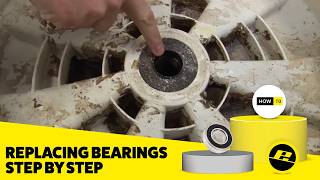
Brief explanation: A high-pitched squeal from an LG WM0642HW usually means a rotating part is rubbing, binding, or its bearings are failing. Common troublemakers are the tub/drum bearings, the drive motor bearings or pulley, a worn drive belt (if present on specific models), or a small foreign object trapped between the drum and outer tub. Step-by-step diagnostic & repair instructions: 1) Confirm when the noise happens - Run an empty spin cycle and listen. Note whether the squeal happens during fill, agitate, spin, or drain. Noise only during spin points at bearings, motor/pulley, belt, or drum rubbing. Noise during drain may indicate the drain pump. 2) Localize the source - With the washer in a spin cycle (empty), carefully listen at different locations: front door, top panel, back panel. Use a long screwdriver or wooden dowel pressed lightly against the outer tub or cabinet and put your ear on the handle to listen for transmitted vibration — this helps localize to the drum, motor, or pump. 3) Check for foreign objects - Unplug the machine, open the door and inspect between the inner drum and outer tub for coins, buttons, or debris. Shine a flashlight and rotate the drum manually to feel for catches. 4) Inspect the drum for roughness/play - Open the door, rotate the drum by hand. It should turn smoothly and quietly. Push/pull the drum laterally — a slight amount is normal, but significant play (more than ~1/4") or a rough/grinding feel indicates worn tub bearings or a damaged shaft seal. 5) Access motor, pulley, belt, and pump - Unplug and move the washer away from the wall. Remove the rear or front access panel per service manual to expose the drive motor, pulley, and belt (if your model uses a belt). Check the drive belt for glazing, cracking, or slipping. Spin the motor pulley and motor shaft by hand — feel for rough spots or play. Check the drain pump for loose or damaged impeller and for objects that could rub. 6) Decide repair path based on findings - Foreign object found: remove it and test. Often fixes squeal immediately. - Belt is glazed or slipping: replace belt. (Less common on direct-drive LG models.) - Motor pulley or motor bearings rough: replace the drive motor. - Drum/tub bearings rough or excessive play: replace the bearing & seal kit and likely the rear tub seal and, depending on model, the inner tub bearing plate. This is a more advanced repair requiring drum removal. 7) Replacement basics (high-level steps) - Motor replacement: disconnect power, remove lower access panel, detach belt (if present) or pulley, disconnect wiring harness and mounting bolts, swap motor, reconnect and test. - Bearing/tub overhaul: unplug and disconnect water, remove top/front panels, remove door boot and front panel, extract inner drum, press out old bearings and seals, press in new bearings/seals, reassemble. Test with empty spin cycle. 8) Test and verify - After repair, run an empty spin and rinse cycle at high speed to confirm the squeal is gone. Check for leaks after bearing/seal work. Safety note: Always unplug the washer and turn off the water supply before doing any inspection or repair. If you are not comfortable with motor or bearing replacement (requires specialty tools and sometimes a hydraulic press), hire a qualified technician. Improper disassembly can damage the machine or cause injury.
Common Symptoms
High-pitched squeal or squeaking during spin or drain; noise that gets worse at higher spin speeds; rough/grinding feeling when turning the drum by hand; possible vibration or wobble.
Common Causes
- Worn drum/tub bearings or shaft seal allowing metal-on-metal contact
- Failing drive motor or motor bearings (or motor pulley) causing high-pitched squeal
- Foreign object trapped between drum and outer tub, or a glazed/worn drive belt/pulley (if present)
Popular Parts That Fix This Problem
These are the most common replacement parts that fix this problem. When you're ready to order, click below to find the right part at ProsourceParts.com — just search by your appliance model number for a guaranteed fit.

Helpful Repair Tip
To quickly confirm if bearings/motor are the issue, run an empty spin cycle and gently press a long screwdriver against the outer tub — the transmitted vibration will identify whether the noise is coming from the drum area (bearings) or the motor end (motor/pulley).
Frequently Asked Questions
Can I keep using the washer if it squeals?
Short-term use may be possible for a while, but continued operation risks making the problem worse. Worn bearings can fail catastrophically and cause metal damage or a seized drum. If you hear a persistent squeal, stop using the washer and diagnose/repair soon to avoid a more expensive repair.
How much does it cost to fix a squealing washer?
Costs vary widely: removing a foreign object or replacing a belt/pump is relatively inexpensive ($20–$150 parts + modest labor). Replacing the drive motor is typically $150–$400 including parts and labor. Replacing drum bearings and seals is the most expensive DIY/pro job — parts + labor can range $200–$600 depending on labor rates and whether other parts are replaced. Get a parts quote for WM0642HW before deciding.
Related How-To Videos
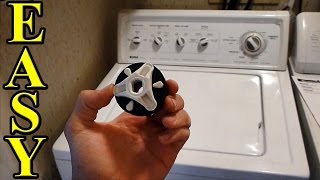
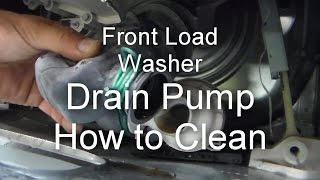

Real DIY Repair Stories
Be the first to share your repair story!
Share Your Repair Story
Your experience helps other homeowners fix their appliances. Tell us how it went!
Can't Fix It Yourself? Find a Local Technician
It's perfectly okay to call a professional. Some repairs require specialized tools, deep teardowns, or dealing with complex systems that are better left to the pros.

Find the Right Part for Your Appliance
Don't guess — search your exact appliance model number at ProsourceParts.com to find the correct OEM compatible replacement part. They offer fast free shipping, guaranteed fit, and thousands of parts in stock.
Your Free Parts Videos
Whether your dishwasher won't drain, your dryer stopped heating, or your fridge isn't cold, we've created simple repair guides for the most common appliance problems homeowners face. Each guide explains what's going wrong, the most likely causes, and which replacement parts fix the issue. When you're ready to order, we link directly to ProsourceParts.com where you can search by model number and get the right part shipped fast.