
LG Washer Stopped Working — What Part Fixes This Problem?
Need the replacement part? Search your model number at for guaranteed fit and fast free shipping.
Understanding the Problem
When an LG washer stops working — meaning it won’t power on, the display is blank, or it won’t start a cycle — the underlying problem can be electrical, electronic, or mechanical. The most common root causes are a lost power supply (tripped breaker, blown fuse, bad power cord), a failed control board or user interface, or a faulty door/lid lock that prevents the washer from seeing the machine as safe to run. Intermittent failures or sudden silence when trying to start usually point to control or power-related parts, while machines that show an error code before dying may point you directly to the failing module. To fix the issue efficiently, start with basic safety checks: ensure the washer is plugged in, the household breaker or fuse is OK, and the outlet has power. If power is present but the washer is unresponsive, the next steps are to check the lid/door lock (front-load door lock or top-load lid switch), run the washer’s built-in diagnostics (or note any blinking lights/error codes), and inspect wiring harnesses for loose connections or burn marks. Many LG models use a main control board and a separate user interface board — either can fail and cause a completely dead washer or no-start condition. If electrical checks show power present at the machine but there’s still no response, a failed control board, failed user interface, or a faulty motor/inverter assembly is often the culprit.
Common Symptoms
Washer has no display or lights, won’t power on, won’t start a cycle, no sounds or relays when pressing Start, intermittent power or machine dies mid-cycle.
Common Causes
- Tripped breaker, blown fuse, or faulty power outlet / power cord
- Failed main control board (PCB) or user interface / touch control board
- Faulty door lock / lid switch or loose/ burned wiring harness
Popular Parts That Fix This Problem
These are the most common replacement parts that fix this problem. When you're ready to order, click below to find the right part at ProsourceParts.com — just search by your appliance model number for a guaranteed fit.

Helpful Repair Tip
Confirm the faulty part by first checking for household power at the outlet with a multimeter and then running the washer’s self-diagnostic (consult your model manual). If outlet power is OK and the washer shows no display or response, test the door/lid lock for continuity and visually inspect wiring to the control boards before replacing the main control board or inverter.
Frequently Asked Questions
Can I fix an LG washer that won’t turn on myself?
Yes, you can do basic troubleshooting safely: verify the outlet/breaker, test the outlet with a lamp or multimeter, unplug and inspect the power cord and rear connections, run the washer’s diagnostic mode to capture any error codes, and visually check the door/lid lock and wiring for damage. Replacing obvious failed parts (power cord, door lock) is often a straightforward DIY. For control board, inverter, or motor replacements, be comfortable with electrical testing and follow model-specific instructions — or get a qualified technician if you’re unsure.
How much will it cost to repair a washer that stopped working?
Cost depends on the failed part and whether you DIY or hire a technician. Simple parts like a door lock or power cord are typically $20–$120. Control boards and motor/inverter assemblies are more expensive — expect $150–$450 for parts alone depending on model. Labor adds extra if you use a repair service. Always confirm the exact part number for your washer model before buying to avoid returns.
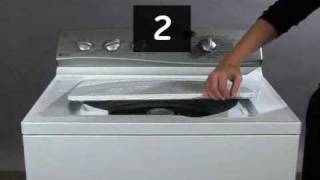
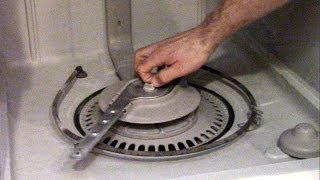
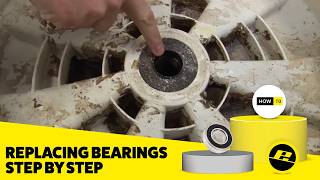
Related How-To Videos
Real DIY Repair Stories
Be the first to share your repair story!
Share Your Repair Story
Your experience helps other homeowners fix their appliances. Tell us how it went!
Can't Fix It Yourself? Find a Local Technician
It's perfectly okay to call a professional. Some repairs require specialized tools, deep teardowns, or dealing with complex systems that are better left to the pros.

Find the Right Part for Your Appliance
Don't guess — search your exact appliance model number at ProsourceParts.com to find the correct OEM compatible replacement part. They offer fast free shipping, guaranteed fit, and thousands of parts in stock.
Your Free Parts Videos
Whether your dishwasher won't drain, your dryer stopped heating, or your fridge isn't cold, we've created simple repair guides for the most common appliance problems homeowners face. Each guide explains what's going wrong, the most likely causes, and which replacement parts fix the issue. When you're ready to order, we link directly to ProsourceParts.com where you can search by model number and get the right part shipped fast.