
LG LFHB2751TF2 — Common Problems and Repair Steps
Need the replacement part? Search your model number at for guaranteed fit and fast free shipping.
Understanding the Problem
Brief explanation: The LFHB2751TF2 is an LG refrigerator model (French-door style). Most issues you’ll encounter on this model are the same as other LG refrigerators: not cooling, poor freezer performance, noisy operation, water/ice problems, leaks, or intermittent electronics. Below are prioritized diagnostic and repair steps you can perform at home followed by a safety note. Step-by-step diagnostics & repair (prioritized): 1) Refrigerator Not Cooling or Warm Fridge / Cold Freezer: 1.1) Verify basics: temperature setpoints (fridge ~37°F / 3°C; freezer ~0°F / -18°C), door seals close fully, and condenser coils are clean. Clean coils with brush/vacuum. 1.2) Check condenser fan (rear, near compressor): with power on, does it spin? If not, remove rear access and check for debris and power to the fan. Replace fan motor if seized. 1.3) Check evaporator fan (inside freezer): open freezer, press door switch to force fan to run, or cycle door. If airflow is weak or fan not spinning, replace evaporator fan motor/assembly. 1.4) Listen at the compressor: is it running continuously, clicking and stopping, or silent? A clicking compressor or repeated start attempts suggests a failed start relay or compressor problem. Replace the start relay/capacitor assembly and test. If issues persist and start relay replacement doesn’t help, sealed system compressor failure likely needs professional service. 1.5) Check defrost function if freezer has heavy frost on evaporator coil: remove evaporator cover, inspect coil frost pattern. If frost is heavy and defrost heater/thermostat/defrost control are faulty, you’ll get cooling/airflow problems. Test defrost heater for continuity and replace faulty heater or defrost thermostat; check defrost control/timer or main control board for function. 1.6) Verify thermistors/temperature sensors: use a multimeter to measure resistance and confirm they respond to temperature changes (refer to service manual for expected values). Replace bad thermistors. 2) Freezer Works But Fridge Warm (Poor Airflow From Freezer to Fridge): 2.1) Check evaporator fan and air damper/damper motor (air control between compartments). If the damper is stuck closed or the motor is dead, fridge will be warm. Test damper motor for operation and replace if necessary. 3) Ice Maker Not Making Ice / Dispenser Not Dispensing Water: 3.1) Verify water supply valve is open and water line to fridge is not kinked. Replace water filter if overdue—low flow is often a clogged filter. 3.2) Check water inlet valve: with dispenser activated, check for 120VAC at the valve (use caution). If valve does not open under voltage or has low flow, replace valve. 3.3) Inspect ice maker module: check for ice jams, frost buildup, or seized harvest motor. Test ice maker for continuity and run a manual harvest cycle if available. Replace ice maker assembly if it fails to cycle or fill. 4) Water Leaks or Pooling Water: 4.1) Check drain trough and drain tube in freezer evaporator area for clog/freeze. Clear clogs with warm water and inspect drain heater if present. 4.2) Inspect water line connections (behind fridge) and water inlet valve for leaks. Tighten or replace leaking fittings. 5) Excessive Noise: 5.1) Identify source (compressor, fans, ice maker, water valve). Tighten mounting hardware, replace worn fan motors, or replace compressor mount cushions if vibration/transmission. 6) Electronic / Control Issues (display errors, random defrosts, or no power to components): 6.1) Check main control board and user interface for visible damage. Swap or test outputs (carefully) if you’re experienced, or replace the board if confirmed faulty. Also check for blown fuses on the main board. How to fix (practical repair steps for common parts): - Replace condenser/evaporator fans: unplug fridge, remove panels, label connectors, remove mounting screws and swap motors. Reconnect and verify fans run before reassembling. - Replace start relay: unplug fridge, locate relay on compressor, pull off old relay and mount new relay (if clip-in style). Test run after reconnecting power. - Replace water inlet valve: shut off house water, unplug fridge, remove valve assembly at back, disconnect water tube and electrical connectors, install new valve, reconnect water and check for leaks. - Clear defrost drain: unplug fridge, remove freezer drawers/panels to access drain, flush warm water through drain or use a hair dryer to remove ice block. Reassemble and test. Safety note: Always unplug the refrigerator or turn off power at the breaker before accessing electrical components. Use insulated tools, avoid shorting terminals, and if a repair involves sealed system (compressor, refrigerant), call a licensed HVAC/refrigeration technician — sealed-system repairs require special certification and equipment.
Common Symptoms
Fridge not cooling, freezer icing up, weak or no ice/water dispensing, loud noises, pooling water under the fridge, intermittent electronics or error codes on display.
Common Causes
- Dirty condenser coils or failed condenser fan reducing heat rejection
- Evaporator fan motor or damper motor failure causing poor airflow
- Defrost system failure (heater, thermostat, or control) leading to frost build-up
- Water inlet valve, clogged filter, or kinked water line causing low/no water/ice
- Start relay or compressor problems or a failed main control board
Popular Parts That Fix This Problem
These are the most common replacement parts that fix this problem. When you're ready to order, click below to find the right part at ProsourceParts.com — just search by your appliance model number for a guaranteed fit.

Helpful Repair Tip
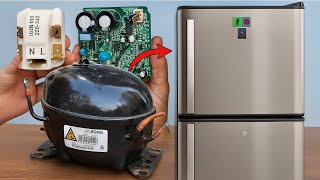
To confirm a faulty fan or compressor relay quickly: listen at the back of the fridge while someone opens and closes the freezer door (evaporator fan should start). For the compressor relay, tap the relay gently—if the compressor starts, the relay is likely bad. Use a multimeter to check for continuity/power before replacement.
Frequently Asked Questions
How do I find the exact replacement part number for my LFHB2751TF2?
Locate the model and serial sticker (usually inside the fresh-food compartment on a side wall or ceiling or on the back) and use that exact model/serial when searching LG parts lookup or calling an authorized parts distributor. Many parts vary by production run, so the sticker information is essential.
Can I service the sealed refrigerant system if the compressor is bad?
No. Sealed-system repairs (compressor replacement, refrigerant recovery/recharge, brazing) require certified refrigeration technicians and special tools. For compressor or refrigerant leaks, contact a licensed appliance/refrigeration service provider.
Related How-To Videos
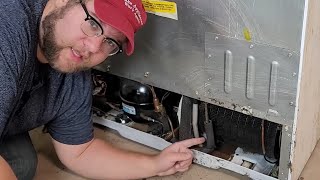
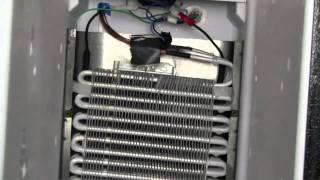
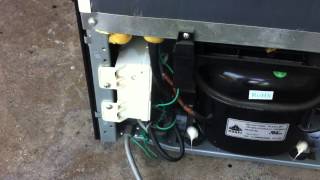

Real DIY Repair Stories
Be the first to share your repair story!
Share Your Repair Story
Your experience helps other homeowners fix their appliances. Tell us how it went!
Can't Fix It Yourself? Find a Local Technician
It's perfectly okay to call a professional. Some repairs require specialized tools, deep teardowns, or dealing with complex systems that are better left to the pros.

Find the Right Part for Your Appliance
Don't guess — search your exact appliance model number at ProsourceParts.com to find the correct OEM compatible replacement part. They offer fast free shipping, guaranteed fit, and thousands of parts in stock.
Your Free Parts Videos
Whether your dishwasher won't drain, your dryer stopped heating, or your fridge isn't cold, we've created simple repair guides for the most common appliance problems homeowners face. Each guide explains what's going wrong, the most likely causes, and which replacement parts fix the issue. When you're ready to order, we link directly to ProsourceParts.com where you can search by model number and get the right part shipped fast.