
LG Dryer DLE 'HS' Error Code – What Causes It and How to Fix It
Need the replacement part? Search your model number at for guaranteed fit and fast free shipping.
Understanding the Problem
If your LG DLE-series dryer displays an HS error code it signals a heating-related safety issue — typically a fault in the temperature sensing or overheat protection circuit. The dryer may stop heating, cut out mid-cycle, or fail to start a heat cycle at all. The HS code is a protective alert; continuing to run the dryer without diagnosing the root cause risks further damage or a fire hazard. Multiple components can trigger the HS code. Most commonly it is caused by a failed thermistor or temperature sensor that reports an out-of-range temperature, an open thermal fuse or high-limit thermostat that has tripped, a shorted or open heating element, or wiring/connector faults. Less commonly, a malfunctioning user interface/control board or faulty relay can send incorrect signals that produce an HS fault.
Common Symptoms
Dryer shows 'HS' (or similar heating fault) on the display, dryer won’t heat or heats intermittently, dryer stops mid-cycle, or trips immediately when attempting a heat cycle.
Common Causes
- Failed thermistor / temperature sensor reporting incorrect temperatures
- Blown/open thermal fuse or tripped high-limit thermostat
- Damaged or shorted heating element or related wiring harness
Popular Parts That Fix This Problem
These are the most common replacement parts that fix this problem. When you're ready to order, click below to find the right part at ProsourceParts.com — just search by your appliance model number for a guaranteed fit.

Helpful Repair Tip
Start with simple checks: power-cycle the dryer, inspect the vent and lint screen for blockages, then test the thermal fuse and temperature sensor with a multimeter for continuity/ohm value before ordering parts.
Frequently Asked Questions
Can I clear the HS error and keep using the dryer?
You can try a power cycle (unplug or switch off for 5–10 minutes) to clear the code; sometimes a transient fault will reset. However, because HS indicates a heating/safety fault, you should not routinely run the dryer until you determine the cause. Intermittent overheating or a failed safety device can create a fire risk and may cause more costly damage.
How do I test which part is causing the HS code?
Start with a visual inspection: check the lint screen, exhaust vent and intake for blockages and examine wiring/connectors for burn or melt signs. Then use a multimeter to test continuity: thermal fuse and high-limit thermostat should have continuity (near zero ohms) at room temperature; a thermistor will have a specific resistance value that changes with temperature (check OEM spec). Test the heating element for continuity and for any short to ground. If the sensors and fuses test normal, evaluate the wiring and control board signals or consult a technician.
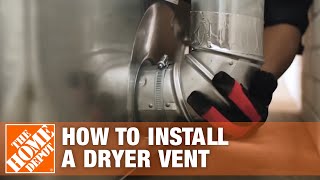
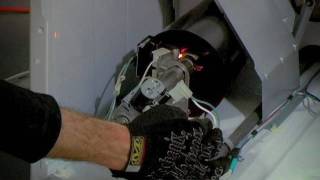
Related How-To Videos
Real DIY Repair Stories
Be the first to share your repair story!
Share Your Repair Story
Your experience helps other homeowners fix their appliances. Tell us how it went!
Can't Fix It Yourself? Find a Local Technician
It's perfectly okay to call a professional. Some repairs require specialized tools, deep teardowns, or dealing with complex systems that are better left to the pros.

Find the Right Part for Your Appliance
Don't guess — search your exact appliance model number at ProsourceParts.com to find the correct OEM compatible replacement part. They offer fast free shipping, guaranteed fit, and thousands of parts in stock.
Your Free Parts Videos
Whether your dishwasher won't drain, your dryer stopped heating, or your fridge isn't cold, we've created simple repair guides for the most common appliance problems homeowners face. Each guide explains what's going wrong, the most likely causes, and which replacement parts fix the issue. When you're ready to order, we link directly to ProsourceParts.com where you can search by model number and get the right part shipped fast.