
Leaking Washer WT1501C – What Part Fixes This Problem?
Need the replacement part? Search your model number at for guaranteed fit and fast free shipping.
Understanding the Problem
A washer that leaks can come from several common sources: flexible hoses and clamps, the drain pump and its hoses, the tub or door gasket (depending on type), or the water inlet valve. Leaks may be constant, appear only during fill, wash, or drain cycles, or start after moving the machine. Pinpointing the leak location is the first step toward a correct repair. On many models like the WT1501C, the most frequent failures are a worn/ruptured hose clamp, a cracked drain pump housing, a split tub-to-pump hose, or a failing water inlet valve that drips at the valve inlet. Sudsing/overfilling and detergent drawer overflow can also appear like mechanical leaks but require addressing usage or valve/control faults rather than replacing a physical water seal.
Common Symptoms
Visible water pooling under or around the washer; dripping during fill, wash, or drain; water on floor after a cycle; damp base or wet spots on nearby cabinets or floorboards.
Common Causes
- Loose or split inlet, drain, or tub-to-pump hoses and failed hose clamps
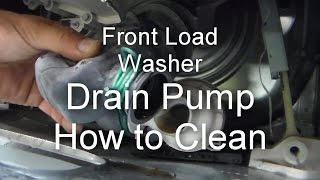
- Faulty or cracked drain pump or pump gasket allowing water to escape during drain
- Damaged tub seal, outer tub crack, or door/gasket failure (front-load) causing leaks during wash
Popular Parts That Fix This Problem
These are the most common replacement parts that fix this problem. When you're ready to order, click below to find the right part at ProsourceParts.com — just search by your appliance model number for a guaranteed fit.

Helpful Repair Tip
To find the leak, run a short cycle with the washer empty and place dry paper towels or cardboard under the machine to collect drops. Observe where the water first appears—under the front usually means pump/hose; under the back usually inlet valve or inlet hose. You can also use a flashlight to look for wet trails after running each cycle phase (fill, agitate, drain).
Frequently Asked Questions
Can I fix a leaking WT1501C myself?
Yes—many leaks are simple DIY fixes: replace a cracked hose, tighten or replace hose clamps, or swap a leaking drain pump. Always unplug the washer and turn off the water supply before starting. Use towels to soak up residual water and have a shallow pan to catch water when you remove hoses. If the leak comes from the outer tub or from the tub seal, or if electrical components are wet, call a professional.
How much will it cost to repair a leaking washer?
Cost depends on the failed part. Replacing a hose or clamps is inexpensive ($10–$40 parts). A new drain pump or inlet valve commonly runs $30–$120 for the part; labor (if using a technician) can add $100–$250 depending on your area. If the outer tub or tub seal must be replaced, costs rise significantly due to labor and parts—get a diagnostic quote before proceeding.
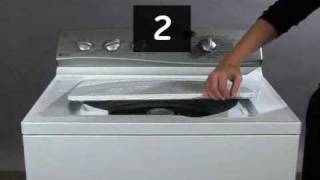
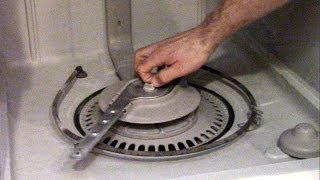
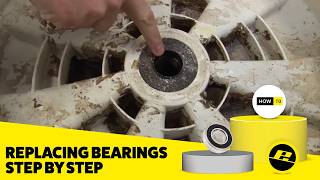
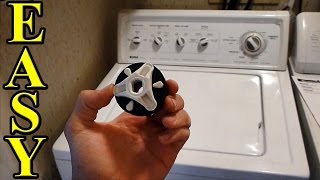
Related How-To Videos
Real DIY Repair Stories
Be the first to share your repair story!
Share Your Repair Story
Your experience helps other homeowners fix their appliances. Tell us how it went!
Can't Fix It Yourself? Find a Local Technician
It's perfectly okay to call a professional. Some repairs require specialized tools, deep teardowns, or dealing with complex systems that are better left to the pros.

Find the Right Part for Your Appliance
Don't guess — search your exact appliance model number at ProsourceParts.com to find the correct OEM compatible replacement part. They offer fast free shipping, guaranteed fit, and thousands of parts in stock.
Your Free Parts Videos
Whether your dishwasher won't drain, your dryer stopped heating, or your fridge isn't cold, we've created simple repair guides for the most common appliance problems homeowners face. Each guide explains what's going wrong, the most likely causes, and which replacement parts fix the issue. When you're ready to order, we link directly to ProsourceParts.com where you can search by model number and get the right part shipped fast.