
KTRS22ELSS02 Refrigerator — Troubleshooting & Repair Guide
Need the replacement part? Search your model number at for guaranteed fit and fast free shipping.
Understanding the Problem
This guide covers the most common problems owners see with KTRS22ELSS02-style refrigerators (22 cu ft/22‑ish models in stainless steel finishes): not cooling, fridge warm/freezer cold, excessive frost, leaks under the fridge, noisy operation, and ice maker/water issues. Below are prioritized diagnostic checks and step-by-step repair actions you can perform at home. Always unplug the refrigerator before opening panels. 1. General start / power check - Verify the unit is plugged in and the outlet is live (plug a lamp into the outlet). Check the circuit breaker. Confirm display/LED/control lights are powered. - Confirm temperature controls are set to manufacturer-recommended settings (usually 37°F/3°C fridge, 0°F/-18°C freezer). If controls were recently adjusted, leave 24 hours for temperatures to stabilize. 2. If the refrigerator isn’t cooling (both compartments warm) - Check condenser coils: pull fridge away from wall, remove kickplate, inspect and clean coils with coil brush/vacuum. Dirty coils reduce cooling capacity. - Confirm condenser fan motor (at compressor area) runs. With fridge plugged in, listen for fan when compressor is running. If fan is dead, replace it. A failed fan overheats the compressor and reduces cooling. - Check compressor and start relay: listen for humming/attempts to start. If compressor clicks repeatedly or won’t run, the start relay or overload may be bad. Remove relay and test for continuity or swap with known-good relay if available. Replace start relay/overload module if defective. If compressor is seized, sealed-system service by a certified tech is required. - Thermistor / temperature sensor: if compressor and fans run but temperatures remain high, test thermistor resistance with a multimeter (location varies; consult the tech sheet). Replace if out of spec. - Evaporator fan motor: open freezer and check for fan operation (you’ll usually need to open the evaporator cover). If freezer cools and fridge is warm, evaporator fan is a common culprit. Replace if not spinning or making grinding noise. 3. If the freezer is cold but the fridge is warm (airflow problem) - Check evaporator fan (in freezer): if fan is dead, it won’t push cold air to refrigerator. Access behind the freezer evaporator cover and test for continuity/power. - Inspect duct/chute and damper control: ensure the damper/chute that routes cold air to fridge isn’t stuck closed. Manually open damper — if fridge temperature improves, replace the damper or its control motor. - Check defrost system (if freezer is iced up): excessive frost on the evaporator coils indicates defrost failure. Test defrost heater, defrost thermostat/thermistor, and defrost control/timer. Replace failed defrost components. If coils are iced, manually defrost (power off and remove ice) before replacement. 4. If there is water leaking under or around the fridge - Check door seals (gaskets) for gaps/damage — warm, moist air entering causes excess condensation/defrost water. Replace damaged gasket(s). - Inspect and clear the defrost drain: a clogged drain at the back of freezer pan will overflow onto the floor. Remove inside drawers, pour warm water down the drain using a turkey baster or pipe cleaner to clear obstruction, and flush until water flows to drain pan. - Confirm drain pan is in place and not cracked. Replace if damaged. - Check water inlet valve and supply line (if leaking near the water/ice dispenser). Tighten or replace valve/line if leaking. 5. If you hear loud or unusual noises (rattling, buzzing, clanking) - Rattle: check for items behind/under fridge, make sure fridge is level. - Buzzing or clicking: often the start relay trying to start a failing compressor. Test/replace relay. If new relays fail, compressor may be failing — call technician. - Fan noises: evaporator or condenser fan motors with worn bearings squeal or grind and should be replaced. 6. Ice maker or water dispenser problems - No water / slow fill: replace water filter (clogged filter reduces flow), check the water inlet valve for 120VAC when dispenser is used (use multimeter). If valve has no power, check dispenser microswitch. If valve gets power but doesn’t open, replace valve. - Ice maker not cycling: check ice maker module for power and for the fill tube being frozen. Manually advance the ice maker to its harvest cycle (per model instructions) to test motor/arm. Replace ice maker assembly if it's not cycling. 7. Frost build-up in freezer - Likely defrost system failure: test defrost heater continuity, defrost thermostat (bi-metal) continuity, and defrost control (timer or board). Replace the failed component and manually defrost the evaporator before reassembling. 8. Control board or user control issues - If lights or displays are erratic and other systems fail inconsistently, inspect the main control board and wiring harness for burnt components, loose connectors or visible damage. Replace the board only after confirming other parts are good. Practical step-by-step diagnosis for a common failure: Fridge warm while freezer is cold (evaporator frost or airflow issue) 1. Open freezer, remove shelves and ice bucket to access evaporator cover. 2. Remove screws and cover to expose evaporator coil and fan. Visually inspect for heavy frost/ice on coil. 3. With power on, carefully listen for evaporator fan operation. If it does not run, unplug and test fan motor for continuity. Replace fan motor if open or noisy. 4. If fan runs but coils are iced, unplug fridge and leave door open to defrost (or use hair dryer carefully). After coils are clear, power on and observe operation. If frost returns quickly, test defrost heater and thermostat for continuity and replace the defective part. 5. Test air damper operation by manually opening/closing; if damper actuator motor is dead, replace it. Safety note: Always unplug the refrigerator before accessing electrical components. Use insulated tools and a multimeter rated for household use. Repairs that involve refrigerant (compressor or sealed system) must be performed by EPA-certified HVAC/refrigeration technicians — do not attempt to open or repair sealed refrigeration components yourself.
Common Symptoms
Fridge not cooling, freezer cold but refrigerator warm, excessive frost on evaporator, water pooling under the unit, loud buzzing or clicking sounds, ice maker not filling or dispensing.
Common Causes
- Dirty condenser coils or failed condenser fan causing poor heat transfer
- Evaporator fan motor failure or blocked airflow (damper/dust/ice)
- Defrost system failure (heater/thermostat/timer/board) leading to coil icing and reduced cooling
Popular Parts That Fix This Problem
These are the most common replacement parts that fix this problem. When you're ready to order, click below to find the right part at ProsourceParts.com — just search by your appliance model number for a guaranteed fit.

Helpful Repair Tip
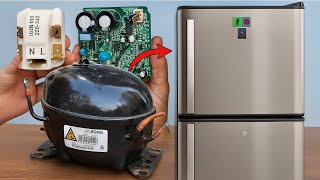
To confirm a failed fan or start relay: with the fridge plugged in, listen for the compressor and fan. A running compressor with a dead condenser fan almost always points to a condenser fan motor replacement. If the compressor repeatedly clicks on/off, pull the start relay and test for continuity or replace the relay — it’s a cheap first fix before calling a sealed-system tech.
Frequently Asked Questions
How do I find the exact part numbers for my KTRS22ELSS02?
Locate the model/serial tag (usually inside the fridge compartment near the door jamb or on the back). Use that exact model number on the manufacturer's parts lookup or a reputable parts retailer. If unsure, remove the failing component and note any stamped numbers — or take clear photos and compare on parts sites or post them to repair forums for help.
Can I replace the compressor or sealed system parts myself?
No. Compressor and sealed-system repairs require specialized tools, vacuum pumps, refrigerant handling, and EPA certification in many countries. Attempting sealed-system service without proper equipment and certification may be illegal and dangerous. For sealed-system failures, contact a certified refrigerator technician.
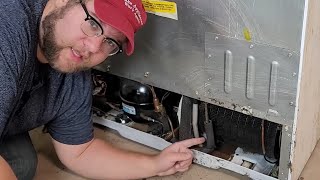
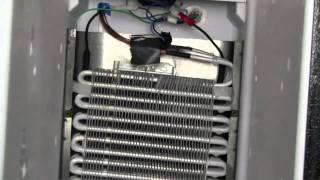
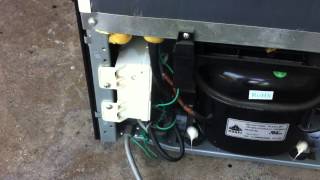
Related How-To Videos
Real DIY Repair Stories
Be the first to share your repair story!
Share Your Repair Story
Your experience helps other homeowners fix their appliances. Tell us how it went!
Can't Fix It Yourself? Find a Local Technician
It's perfectly okay to call a professional. Some repairs require specialized tools, deep teardowns, or dealing with complex systems that are better left to the pros.

Find the Right Part for Your Appliance
Don't guess — search your exact appliance model number at ProsourceParts.com to find the correct OEM compatible replacement part. They offer fast free shipping, guaranteed fit, and thousands of parts in stock.
Your Free Parts Videos
Whether your dishwasher won't drain, your dryer stopped heating, or your fridge isn't cold, we've created simple repair guides for the most common appliance problems homeowners face. Each guide explains what's going wrong, the most likely causes, and which replacement parts fix the issue. When you're ready to order, we link directly to ProsourceParts.com where you can search by model number and get the right part shipped fast.