
KTRS21KDWH02 Refrigerator — Common Problems, Diagnostics, and Repairs
Need the replacement part? Search your model number at for guaranteed fit and fast free shipping.
Understanding the Problem
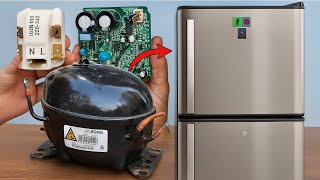
The KTRS21KDWH02 is a standard refrigerator model that can exhibit typical issues: not cooling, warm fridge/freezer, excessive frost, leaks, noisy operation, and ice-maker failures. The most common root causes are airflow problems (blocked vents or failed fans), dirty condenser coils, failed defrost components, faulty thermostats/thermistors, a bad start relay/compressor issue, or a leaking/clogged drain or water inlet valve. Follow these numbered diagnostic and repair steps (work sequentially — start with the simple checks): 1) Safety & basic checks - Unplug the refrigerator before any inspection or disassembly. - Check that the unit is plugged in and the outlet is live (plug a lamp into the same outlet). - Verify temperature settings (fridge 37–40°F / 3–4°C, freezer 0–5°F / -18–15°C). - Make sure vents inside fridge/freezer are not blocked by food packages and door seals are intact and sealing properly. 2) Symptom triage: is the compressor running? - Put your ear near the back: you should hear the compressor humming and possibly a faint clicking or a running fan. If the compressor is not running but the unit has power, suspect start relay, overload, or control board. - If the compressor runs but temperatures are warm, suspect airflow (fans/coils), defrost failure (ice build-up), or sealed-system loss. 3) Clean & inspect (first-line fix) - Pull the unit away from the wall, unplug, remove the rear toe/grille and vacuum the condenser coils and area. Dirty coils reduce cooling efficiency. - While powered off, inspect the condenser fan (near compressor) and evaporator fan (inside freezer evaporator compartment) — spin them by hand to check for binding. 4) Check fans and airflow - Restore power. Open the door(s) and press the door-switch (or hold door open where switch is activated). Evaporator fan should run when compressor is running. If not, you may have a failed evaporator fan motor, bad door switch, or failed thermistor/board signal. - With the unit running, verify the condenser fan runs (if equipped). Replace any fans that do not run. 5) Inspect for frost/defrost issues - If the freezer has heavy frost or a solid block of ice on the evaporator, the automatic defrost system (defrost heater, defrost thermostat/thermistor, or control/board/timer) is likely failing. Remove the freezer back panel to visually inspect the evaporator coils for thick frost. - Test defrost heater and defrost thermostat with a multimeter for continuity (with power off). If either is open, replace the defective component. 6) Drain and water leak checks - If there is water pooling in the bottom of the fridge or under the unit, check the drain trough and drain tube at the back of the evaporator area — clear ice or debris using warm water and a small pipe cleaner. Clean the drip pan and check the water inlet valve and water supply line if leaking. 7) Ice maker & water dispenser - For the ice maker not producing ice: confirm water supply is on, check inlet valve for continuity and proper fill, and run the ice-maker advance/test cycle if the unit has one. Replace the ice maker assembly or inlet valve if defective. 8) Electrical and controls - If fans and heater test OK but compressor cycles excessively or won’t start, test the start relay and overload on the compressor (listen for clicking or use a multimeter). Replace the start relay if it fails tests. - If electronics appear unreliable (random defrosts, no response), consult error codes (if the model supports them) or consider replacing the main control board. 9) When to call a refrigeration technician - If you suspect a sealed-system (compressor/refrigerant) problem (loss of refrigerant, compressor failure) do NOT attempt to open the sealed system. Refrigerant handling and compressor replacement require EPA certification and specialized equipment. 10) Common repair steps (examples) - Replace evaporator fan motor: unplug, remove freezer back panel, disconnect fan plug, remove mounting screws, swap motor and reassemble. - Replace condenser fan motor: unplug, remove rear access panel, disconnect motor, remove fan blade and motor mounting, install new motor and blade oriented correctly. - Replace defrost heater/thermostat: unplug, remove freezer interior panels to access evaporator, disconnect defective heater/thermostat and install new parts, reassemble. - Replace start relay: unplug, remove rear service access, remove relay from compressor terminal, install new relay (observe orientation), reattach any brackets and test. Safety note: Always unplug the refrigerator before servicing electrical components. Do not attempt refrigerant repairs unless you are a licensed HVAC/refrigeration technician. Use proper PPE (gloves, eye protection). Keep parts and screws labeled and organized during reassembly.
Common Symptoms
Fridge or freezer not cooling, excessive frost on evaporator, water leaking into fridge or onto floor, loud humming or clicking near compressor, ice maker not filling or making ice.
Common Causes
- Dirty condenser coils or blocked condenser airflow
- Failed evaporator fan motor, condenser fan motor, or door switch
- Defrost system failure (defrost heater, thermostat, or timer/control)
- Clogged/iced defrost drain or damaged door gaskets
- Bad start relay/overload on compressor or sealed-system refrigerant loss
- Faulty water inlet valve or ice-maker module
Popular Parts That Fix This Problem
These are the most common replacement parts that fix this problem. When you're ready to order, click below to find the right part at ProsourceParts.com — just search by your appliance model number for a guaranteed fit.

Helpful Repair Tip
To confirm an evaporator-fan fault: with the unit powered and compressor running, open the freezer door and manually depress the door switch — you should hear the evaporator fan run. No sound means a bad fan motor, bad door switch, or lost control signal.
Frequently Asked Questions
How do I tell if the compressor or start relay is the problem?
If the compressor doesn't run but you hear a clicking sound every few minutes, the start relay or overload is a likely suspect. Unplug and remove the relay from the compressor and test it for continuity or replace it with a known-good relay. If the compressor hums but won't start and the relay swap doesn't help, the compressor may be failing — call a certified technician for sealed-system service.
Can I defrost a frost-packed freezer myself?
Yes — unplug the refrigerator, remove food, and leave doors open to allow thawing. Place towels and a shallow pan to catch water. You can speed thawing with bowls of warm (not boiling) water inside the compartment. After thaw, clear the drain tube with warm water. If frost returns quickly, you have an underlying defrost or sealing issue that needs repair.
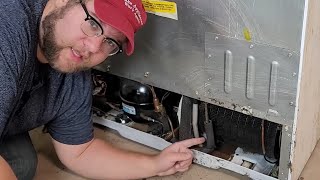
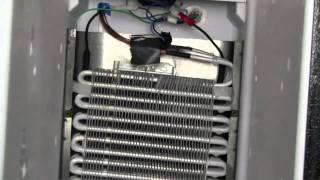
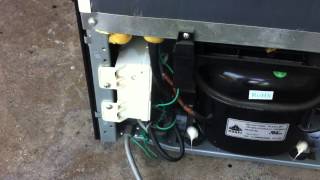
Related How-To Videos
Real DIY Repair Stories
Be the first to share your repair story!
Share Your Repair Story
Your experience helps other homeowners fix their appliances. Tell us how it went!
Can't Fix It Yourself? Find a Local Technician
It's perfectly okay to call a professional. Some repairs require specialized tools, deep teardowns, or dealing with complex systems that are better left to the pros.

Find the Right Part for Your Appliance
Don't guess — search your exact appliance model number at ProsourceParts.com to find the correct OEM compatible replacement part. They offer fast free shipping, guaranteed fit, and thousands of parts in stock.
Your Free Parts Videos
Whether your dishwasher won't drain, your dryer stopped heating, or your fridge isn't cold, we've created simple repair guides for the most common appliance problems homeowners face. Each guide explains what's going wrong, the most likely causes, and which replacement parts fix the issue. When you're ready to order, we link directly to ProsourceParts.com where you can search by model number and get the right part shipped fast.