
KitchenAid KTRA22EMSS01 Troubleshooting & Repair Guide – Common Problems & How to Fix Them
Need the replacement part? Search your model number at for guaranteed fit and fast free shipping.
Understanding the Problem
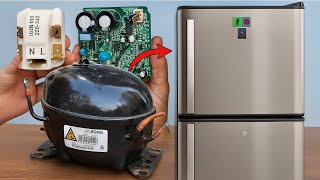
This guide covers the most common problems owners see with the KitchenAid KTRA22EMSS01 undercounter/refrigerator unit and gives step‑by‑step diagnostics and repair actions. Start with simple checks (power, settings, and cleanliness) and progress to components (fans, thermistors, defrost components, and start relay). 1) Basic checks (do these first) 1.1 Unplug the refrigerator, wait 1 minute and plug back in to rule out an electronic hiccup. Confirm the unit has power (interior light, control display if present). 1.2 Verify temperature setting: set to manufacturer recommended (usually 37°F / 3°C for fridge). Give it 24 hours after changing settings. 1.3 Clean condenser coils (under or rear of unit) — unplug, vacuum or brush dust and lint. Dirty coils reduce cooling. 1.4 Make sure vents inside the fridge are not blocked by food and that the door seals (gasket) are clean and sealing. 2) Not cooling or weak cooling — diagnostic steps 2.1 Listen: is the compressor (back lower area) running or periodically clicking on/off? A steady humming indicates compressor running. Repeated clicking may indicate a failed start relay or shorted compressor. 2.2 Check condenser fan (if present): with power on and fridge running, open rear access and confirm condenser fan spins. If it doesn’t, replace the fan motor. If fan runs but compressor overheats, cooling will be poor. 2.3 Check evaporator fan in the freezer/refrigerator compartment (may be behind an interior panel). If evaporator fan is dead, cold air won’t circulate — replace the evaporator fan motor. 2.4 Measure temperature with a fridge thermometer. If compressor runs but fridge not cold and fans run, suspect sealed system loss (low refrigerant) — this requires a certified refrigeration technician. 2.5 Test start relay and overload: unplug, remove relay on compressor, test for continuity with a multimeter. A failed relay causes clicking and no compressor run — replace relay/overload. 3) Frost buildup in the evaporator or freezer section — diagnostic & fix 3.1 Excessive frost often means the defrost system failed. Remove rear evaporator cover and visually inspect for heavy frost/ice. 3.2 Test defrost heater continuity with a multimeter; if open, replace heater. Also test defrost thermostat/bi-metal and defrost control/timer (or electronic control board) for continuity and proper operation. 3.3 Clear drain line and drain pan: warm water or a turkey baster will flush clogged defrost drain to prevent water pooling and icing along the evaporator. 4) Water leaks inside or under the unit — diagnostic & fix 4.1 Check and clear the defrost drain at the back of the fresh food section — a clogged drain causes water to run into the cabinet instead of the drain pan. 4.2 Inspect the drain pan under the unit for cracks and proper seating. 4.3 Verify door gasket sealing. Replace worn or torn gaskets to stop condensation and excess defrost cycles. 5) Noise or vibration — diagnostic & fix 5.1 Identify noise source: compressor (low hum), condenser fan (rattling or high pitched), evaporator fan (loud whine when airflow restricted), or items vibrating inside the cabinet. 5.2 Tighten loose panels, move unit off uneven flooring, replace worn fan motors or fan blades. 6) Door problems — diagnostic & fix 6.1 Inspect gasket for tears, gaps, or deformation. Clean gasket with mild soap and water. Use a dollar bill test: close door on a bill and try to pull it free; if it slips out easily at multiple points, replace the gasket. 6.2 Check hinge alignment and adjust or replace hinges if door sagging prevents proper sealing. 7) Electronic or control problems 7.1 If displays are blank or erratic, confirm power and test outlet. Reset the unit (unplug 1 minute). If problem persists, control board or user interface may need replacement. How to fix (typical part replacements): - Evaporator fan motor replacement: remove interior panel in freezer/fresh food area, unplug old fan and install new one; reassemble. - Condenser fan motor replacement: unplug refrigerator, access rear lower panel, remove old motor and blade, install new motor and blade, reconnect. - Start relay/overload: unplug, remove access cover at compressor, swap relay assembly with OEM part and test run. - Defrost heater/thermostat: unplug, remove evaporator cover, disconnect old heater and thermostat, install new components, reassemble and test defrost cycle. - Gasket: remove screws/clips holding the door liner/gasket in place, remove old gasket, press new gasket into channel and secure. Safety note: Always unplug the refrigerator before accessing electrical components. Use caution around sharp sheet metal and refrigerant lines. Sealed‑system repairs (compressor or refrigerant) must be done by a licensed refrigeration technician — do not attempt to open the refrigerant lines yourself.
Common Symptoms
Not cooling or weak cooling; frost buildup on evaporator; water pooling inside or under unit; loud humming, clicking or rattling noises; doors not sealing tightly.
Common Causes
- Dirty condenser coils or blocked airflow
- Failed evaporator or condenser fan motor
- Defrost system failure (heater, thermostat, or control)
- Failed start relay/overload or compressor electrical fault
- Clogged defrost drain or damaged door gasket
Popular Parts That Fix This Problem
These are the most common replacement parts that fix this problem. When you're ready to order, click below to find the right part at ProsourceParts.com — just search by your appliance model number for a guaranteed fit.

Helpful Repair Tip
To quickly confirm a bad evaporator fan: open the door and press the door switch — if the fridge is cold but there’s no airflow and you don’t hear the fan, the evaporator fan motor is likely bad.
Frequently Asked Questions
How do I know if the compressor is bad or the start relay is bad?
If the compressor clicks repeatedly but never runs, and you can smell scorching or hear a single click then silence, the start relay/overload is a common failure — replace it first (it's inexpensive). If the relay is good and the compressor still won't run (or runs very hot and trips), the compressor or sealed system may be failing and requires a licensed service technician to diagnose and repair.
Can I clear the defrost drain myself if water is pooling inside the fridge?
Yes. Unplug the fridge, remove any back panel in the fresh food compartment, locate the defrost drain near the evaporator area, and flush it with warm (not boiling) water using a turkey baster or small funnel. Remove debris and reassemble. If the drain is frozen solid, pouring warm water to melt the ice and then flushing will usually clear it. If leaks continue after clearing, inspect the drain pan or call a technician.
Related How-To Videos

Real DIY Repair Stories
Be the first to share your repair story!
Share Your Repair Story
Your experience helps other homeowners fix their appliances. Tell us how it went!
Can't Fix It Yourself? Find a Local Technician
It's perfectly okay to call a professional. Some repairs require specialized tools, deep teardowns, or dealing with complex systems that are better left to the pros.

Find the Right Part for Your Appliance
Don't guess — search your exact appliance model number at ProsourceParts.com to find the correct OEM compatible replacement part. They offer fast free shipping, guaranteed fit, and thousands of parts in stock.
Your Free Parts Videos
Whether your dishwasher won't drain, your dryer stopped heating, or your fridge isn't cold, we've created simple repair guides for the most common appliance problems homeowners face. Each guide explains what's going wrong, the most likely causes, and which replacement parts fix the issue. When you're ready to order, we link directly to ProsourceParts.com where you can search by model number and get the right part shipped fast.