
KitchenAid KDTE334GPS0 Dishwasher – Troubleshooting, Common Faults & What Parts Fix Them
Need the replacement part? Search your model number at for guaranteed fit and fast free shipping.
Understanding the Problem
This guide covers the most common problems owners see with the KitchenAid KDTE334GPS0 dishwasher: won't start, doesn't fill, won't drain, not drying/heating, noisy operation, and leaks. Below are targeted diagnostics and practical repair steps you can perform before calling a technician. 1) Dishwasher won't start or control doesn't respond - Check power: verify the dishwasher has 120V at the junction or outlet and that the house circuit breaker hasn't tripped. If the unit is hardwired, turn off the breaker and confirm wiring at the junction. - Inspect door latch/lock: if the door doesn't latch or the lock switch is defective the dishwasher won't start. Close the door firmly and listen for a click. Use a multimeter across the latch switch for continuity while actuating the latch. - Test user interface / control board: if the display is blank but power is present the electronic control or user interface may be faulty. Try a full power reset (cut power at breaker for 1 minute). If the control still fails, the main control board or keypad may need replacement. - How to fix: replace a defective latch switch or door strike, or replace the main control board or touchpad if confirmed defective. 2) Dishwasher doesn't fill with water - Check water supply: ensure the house water valve to the dishwasher is fully open and there is water pressure. Remove the fill hose/line and look for kinks. - Inspect inlet valve: the water inlet valve can fail electrically or become clogged with debris. Listen for the valve clicking when a fill cycle begins. Test the valve solenoids with a multimeter for continuity. - Float and float switch: a stuck float or failed float switch will stop filling. Inspect and free the float in the float cup and test the switch for continuity. - How to fix: clean/replace the inlet valve screen or replace the water inlet valve; free or replace the float assembly or float switch. 3) Dishwasher won't drain or water remains in tub - Check filter and sump: remove lower rack, clean the filter assembly and look for debris blocking the pump inlet. - Inspect drain hose and air gap: clear clogs from the drain hose, air gap (if installed), and the garbage disposal connection. Ensure the hose isn't kinked and has a high loop. - Test drain pump: run a drain cycle and listen for the pump motor. If silent or humming, check for obstructions or a failed pump motor. Test pump wiring for voltage during drain operation. - How to fix: clear blockages or replace the drain pump/motor assembly if defective. 4) Dishwasher not drying or not heating - Determine type: this model typically uses a heating element or a heater assembly and may rely on a vent or fan. If dishes are wet and warm, dry system or heater issue is likely. - Test heating element/thermostat: check element continuity with a multimeter and test the thermostat/thermal fuse for continuity. Look for visible burn/damage on the element. - Check cycle selections: some cycles (eco) use little/no heat. Confirm you selected a heated dry option. - How to fix: replace a failed heating element, thermostat, or thermal fuse. Also replace or repair the vent fan if present. 5) Leaks or water under the dishwasher - Inspect door gasket: check the door seal for gaps, tears, or debris preventing a tight seal. Clean or replace the door gasket as needed. - Check hose connections: inspect inlet, drain hose, and sump seals for wetness or loose clamps. - Examine tub and pump seals: a damaged tub, pump O-ring, or spray arm attachment can leak. Run a short cycle and observe to locate the leak. - How to fix: replace faulty door gasket, hose, clamp, or sump/pump seals. If the tub is cracked, the tub assembly typically needs replacement. 6) Noisy operation, grinding, or knocking - Check spray arms and racks: remove obstructions, ensure spray arms rotate freely and are not hitting dishes. - Inspect pump bearings and motor: a worn wash motor/pump assembly or foreign object (broken glass, bone, etc.) in the pump can cause grinding noises. - How to fix: remove debris from the pump and replace the wash pump/motor assembly or bearings if worn. Step-by-step basic diagnostic pattern (universal): 1. Ensure safety: turn power OFF at breaker and turn water off at the valve before disassembling. 2. Note the symptom and run a diagnostic/service cycle if available (consult the owner/service manual for the panel code sequence). Write down any error codes. 3. Visually inspect filter, sump, hoses, and door gasket first — these are common and easy fixes. 4. Use a multimeter to check continuity of suspected electrical parts (door latch switch, heating element, thermal fuse, pumps, float switch). 5. Apply power deliberately while measuring voltage at components during the appropriate cycle if safe and you are comfortable doing so. 6. Replace only the confirmed-faulty part; reassemble and run a verification cycle to confirm repair. Safety note: Always disconnect power at the circuit breaker before removing panels or working on electrical components. Turn off the water supply before disconnecting plumbing. If you are not comfortable testing live voltage, hire a qualified appliance technician.
Common Symptoms
Unit won't start or respond; doesn't fill with water; won't drain; not heating/drying; leaks from door or bottom; loud grinding or banging during wash.
Common Causes
- Power or control board failure
- Faulty door latch or door switch
- Clogged filter, drain hose, or garbage disposal connection
- Failed drain pump or wash motor/pump assembly
- Bad water inlet valve or stuck float/float switch
- Failed heating element, thermostat or thermal fuse
- Worn tub, seals, or door gasket causing leaks
Popular Parts That Fix This Problem
These are the most common replacement parts that fix this problem. When you're ready to order, click below to find the right part at ProsourceParts.com — just search by your appliance model number for a guaranteed fit.

Helpful Repair Tip
Run a diagnostic/service cycle and record any error codes, then test the most common, easy-to-reach parts first: door latch, filter/sump, float switch, and drain pump. Use a multimeter to confirm continuity before ordering replacement parts.
Frequently Asked Questions
How do I run a diagnostic or view error codes on my KDTE334GPS0?
Most KitchenAid dishwashers have a service or diagnostic mode to display error codes. Try resetting the unit first by turning power off at the breaker for 1 minute, then restoring power. To enter diagnostics (consult your manual for exact key sequence), typically you press a sequence of buttons on the control panel (e.g., Heated Dry + Normal or similar) to start the service cycle and view LED or display codes. Record any codes and look them up in the service manual. If unsure, take a photo of the control panel and error lights and contact KitchenAid support or a technician.
Can I replace the drain pump or heating element myself?
Yes, a competent DIYer can replace the drain pump or heating element, but follow safety steps: disconnect power at the breaker, turn off water supply, remove lower kickplate and the lower access panel, and follow step-by-step removal instructions in the service manual. For the drain pump, clear debris first, then disconnect wiring and mounting screws. For the heater, test for continuity first; if faulty, disconnect and remove the element per the manual. If you are not comfortable working around live voltage or the replacement requires dishwasher disconnection from plumbing, hire a qualified appliance technician.
Related How-To Videos
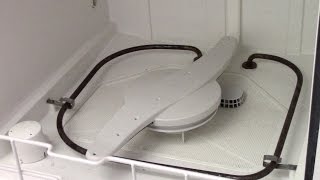
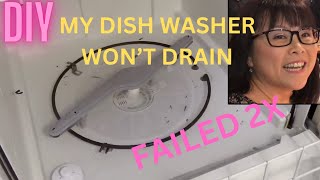
Real DIY Repair Stories
Be the first to share your repair story!
Share Your Repair Story
Your experience helps other homeowners fix their appliances. Tell us how it went!
Can't Fix It Yourself? Find a Local Technician
It's perfectly okay to call a professional. Some repairs require specialized tools, deep teardowns, or dealing with complex systems that are better left to the pros.

Find the Right Part for Your Appliance
Don't guess — search your exact appliance model number at ProsourceParts.com to find the correct OEM compatible replacement part. They offer fast free shipping, guaranteed fit, and thousands of parts in stock.
Your Free Parts Videos
Whether your dishwasher won't drain, your dryer stopped heating, or your fridge isn't cold, we've created simple repair guides for the most common appliance problems homeowners face. Each guide explains what's going wrong, the most likely causes, and which replacement parts fix the issue. When you're ready to order, we link directly to ProsourceParts.com where you can search by model number and get the right part shipped fast.