
KitchenAid KDTE254ESS2 Troubleshooting & Repair Guide – Common Problems and How to Fix Them
Need the replacement part? Search your model number at for guaranteed fit and fast free shipping.
Understanding the Problem
This guide covers the most common failures on the KitchenAid KDTE254ESS2 24" built-in dishwasher and gives practical diagnostic and repair steps you can perform at home. Typical problem areas are: power/control faults, not filling with water, not draining, poor cleaning, leaking, excessive noise, and drying/heating failures. Follow the numbered sections below for each symptom; steps include tests and how to replace common components. 1) Safety first (do this before any testing) - Turn off power at the breaker for the dishwasher (do not just use the control panel). Turn off the water supply at the shutoff valve under the sink. Pull the lower toe kick to expose access panels. Always keep screws and small parts in a container. 2) Dishwasher won't start or shows no lights - Check: house breaker, outlet (if applicable), and that dishwasher is plugged in. - Check door latch/strike: if the door latch does not engage the microswitch the machine will not start. Inspect for broken latch or warped door. - Test: with power off, access the door latch assembly and check for continuity with a multimeter when the latch is actuated. If no continuity, replace the door latch assembly. - Check control lock/child lock and cancel/reset the cycle by holding the Start/Resume button 3–5 seconds. - If control panel is dead but power is present, the control board or harness may be faulty — inspect wiring for burn marks, water intrusion, or corrosion. Replacing the main control board typically fixes unresponsive controls. 3) Dishwasher doesn't fill with water - Check the water supply valve under sink is fully open. - Inspect the inlet hose for kinks or obstructions. - Check the water inlet (fill) valve: remove electrical connector and test coil for continuity with a multimeter. If coil is open or valve does not allow water when energized, replace the water inlet valve. - Check the float and float switch in the tub; debris can trap the float and prevent fill. Remove lower rack, check float (usually a round plastic cup) for free movement and test float switch for continuity when the float is lifted. - If there is adequate water pressure to other fixtures but not the dishwasher, replace the inlet valve. 4) Dishwasher doesn't drain or throws error codes for drain - Check and clear the sink/disposal connection and garbage disposal knockout plug if recently installed. - Inspect the drain hose for kinks or clogs; detach and blow through it or run water through to confirm flow. - Clear the filter/sump: remove lower rack, filter assembly, and inspect the sump for debris blocking the pump impeller. - Test the drain pump: with power removed, visually inspect pump and impeller for jammed debris. Reconnect power and run a drain-only or diagnostic drain command (or start a short cycle) while listening — if you hear humming but no water movement, the impeller may be broken or pump motor failing. Use a multimeter to check pump motor continuity. Replace the drain pump if impeller is damaged or motor shows no continuity. 5) Dishwasher is noisy (loud grinding, rumbling, or squealing) - Loud grinding during drain or wash often points to a failing drain pump or a foreign object (glass, bone) in the sump hitting the impeller. Remove bottom filters and inspect impeller. Replace pump if impeller damaged. - Rattling during wash can be a loose spray arm, a broken bearing in the motor, or an object trapped under the lower spray arm. Remove and inspect spray arms for cracks and spin freely. 6) Poor cleaning (food not removed) - Check spray arms for clogs and spin freely; remove and clean jets with a wire or soak in vinegar. - Clean or replace filters; a clogged filter reduces spray pressure. - Check detergent dispenser operation — if the dispenser does not open, the latch or actuator is faulty. Test actuator for continuity and replace dispenser assembly if needed. - Ensure you are not overloading and that items are placed to avoid blocking spray. 7) Leaks (water on kitchen floor) - Identify leak source: door gasket, lower access panel, water inlet hose, drain hose, or pump seal. - Inspect door gasket (rubber seal) for cuts, deformation or foreign debris and replace if damaged. - Remove toe-kick and run a short cycle to watch for leaks; if leak comes from bottom center, suspect pump/sump seal or tub crack. If leak is at front center, door gasket or inner door might be the source. - If the inlet hose or connections leak, tighten clamps or replace hose. Replace the faulty part and re-test. 8) Not drying or heating problems - Check rinse aid level and ensure you are using the correct detergent. Poor drying is often rinse aid related. - For heat-related cycles, the heating element or thermostat/thermistor may be defective. Access the heating element under the tub and test for continuity with a multimeter. If open, replace the heating element. - Some models use a temperature sensor (NTC thermistor). If cycles end too early or do not heat, test the thermistor resistance at room temperature and compare to the service manual spec — replace if out of range. 9) Control error codes or lockouts - Many modern KitchenAid dishwashers report fault codes via LEDs or display. Note the pattern and consult the user manual/service sheet. Common codes indicate water inlet problems (flood switch), heater faults, or motor issues. Power-cycle the unit (turn off breaker for 60 seconds) to reset and if the fault persists, follow diagnostics above for that subsystem. 10) Basic replacement steps (typical for inlet valve, pump, heater, latch) - Turn off power and water. Remove lower kick plate and unscrew to access components. Document wiring/connector positions or take a photo. - For inlet valve: disconnect water line at the valve, remove mounting screws, disconnect electrical connectors, install replacement, reconnect water and check for leaks. - For drain pump: remove lower access panel, unclip pump harness, remove mounting screws/retaining clips, replace pump and test by running a short drain cycle. - For heating element: disconnect power, remove lower panel, disconnect wires from element, remove mounting nuts, replace element and test continuity before restoring power. - For door latch: open door, remove interior door panel screws (keep track of springs), replace latch assembly, reassemble and test door switch. Safety note: Always disconnect electrical power at the breaker and shut off the water supply before doing any repairs. Use insulated tools when testing live circuits and avoid working on the dishwasher with wet hands or standing in water. If you are not comfortable with electrical testing or removing major assemblies, call a qualified appliance technician.
Common Symptoms
Won't start; won't fill; won't drain; poor cleaning; leaking; loud noises during cycle; poor drying or no heat.
Common Causes
- Failed drain pump or clogged pump impeller
- Faulty water inlet valve or blocked water supply
- Damaged door latch or faulty control board
- Clogged filter/spray arms reducing wash pressure
- Worn or damaged door gasket/tub seal causing leaks
Popular Parts That Fix This Problem
These are the most common replacement parts that fix this problem. When you're ready to order, click below to find the right part at ProsourceParts.com — just search by your appliance model number for a guaranteed fit.

Helpful Repair Tip
To confirm the faulty part quickly: remove the lower kick plate, run a short cycle and listen closely. Humming but no drain = bad drain pump; no fill but inlet valve clicks = blocked inlet or bad valve. Use a multimeter to check continuity on suspect components (inlet valve coil, drain pump motor, heating element, door latch).
Frequently Asked Questions
How do I clean the filter and check the sump?
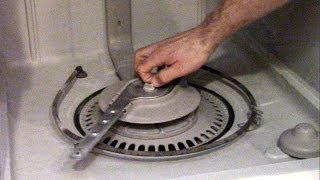
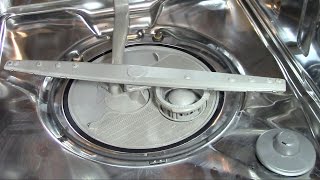
Remove the bottom rack, twist and lift out the cylindrical filter and flat mesh screen per the owner's manual. Inspect and remove debris from the sump area and around the pump impeller. Rinse the filter under running water and use a soft brush to remove trapped food. Reinstall the filter snugly — a loose filter will cause poor cleaning or noise.
When should I replace the drain pump versus cleaning it?
If the pump is simply clogged with food, glass, or scale, cleaning the impeller and sump usually fixes the problem. Replace the drain pump if you find: a cracked or broken impeller, the motor hums but does not turn, no electrical continuity through the motor, repeated failures, or physical leaks from the pump housing. Testing with a multimeter and visual inspection during disassembly will show which action is needed.
Related How-To Videos

Real DIY Repair Stories
Be the first to share your repair story!
Share Your Repair Story
Your experience helps other homeowners fix their appliances. Tell us how it went!
Can't Fix It Yourself? Find a Local Technician
It's perfectly okay to call a professional. Some repairs require specialized tools, deep teardowns, or dealing with complex systems that are better left to the pros.

Find the Right Part for Your Appliance
Don't guess — search your exact appliance model number at ProsourceParts.com to find the correct OEM compatible replacement part. They offer fast free shipping, guaranteed fit, and thousands of parts in stock.
Your Free Parts Videos
Whether your dishwasher won't drain, your dryer stopped heating, or your fridge isn't cold, we've created simple repair guides for the most common appliance problems homeowners face. Each guide explains what's going wrong, the most likely causes, and which replacement parts fix the issue. When you're ready to order, we link directly to ProsourceParts.com where you can search by model number and get the right part shipped fast.