
KitchenAid KDTE104ESS2 Dryer Troubleshooting — Fix Common Problems Yourself
Need the replacement part? Search your model number at for guaranteed fit and fast free shipping.
Understanding the Problem
This guide covers the most common problems owners see with the KitchenAid/Whirlpool-style electric dryer model KDTE104ESS2: no heat (takes too long to dry), dryer won't start, drum not turning, and loud or unusual noises. Below are practical, prioritized diagnostic and repair steps for each symptom, plus general checks you should perform before replacing parts. 1) Before you start (general checks for any symptom): a. Unplug the dryer or turn off the circuit breaker to the dryer. For electric dryers you must cut both hot legs (240V). b. Inspect and clean the lint screen and lint trap housing. c. Check the external venting: disconnect the vent from the dryer and run a short cycle — restricted vents are the #1 cause of “dryer not heating/drying.” d. Make sure the dryer is on a dedicated 240V circuit and the breaker/fuses are not tripped. 2) Symptom: Dryer not heating (or long dry times) a. Verify power: with the dryer plugged in and running, measure voltage at the dryer terminal block — you should have ~240V (two 120V legs). If you only have 120V, the dryer will tumble but not heat; check household wiring and breakers. b. Check the vent and lint filter for blockages (clean thoroughly). c. Test thermal fuse (on many models it is mounted on the blower housing): with power off, remove the fuse and check continuity with a multimeter — should read near zero ohms. If open, replace the thermal fuse. d. Test heating element assembly for continuity and visible damage. If open or visibly broken, replace the heating element. e. Test high‑limit thermostat and cycling thermostat for continuity. Replace any thermostat that shows no continuity. f. If electrical components test good, check the timer or electronic control board for proper output to the heating circuit (use voltage checks while the dryer is calling for heat). A control board that does not send voltage to the element when expected may need replacement. 3) Symptom: Dryer won’t start (no tumbles, no lights or no response) a. Confirm the unit has power (see step 2a). b. Check door switch for continuity with the door closed — if the switch is faulty the dryer will not start. c. Check start switch and motor relay on the control board. If you hear a click from the control when pressing start but drum doesn’t turn, test motor windings for continuity. d. Inspect the belt and motor: a snapped belt will prevent tumbling; a seized motor or jammed drum (check rollers and idler) will prevent the motor from turning. 4) Symptom: Loud noise, squeal or thumping a. With the dryer stopped, manually spin the drum — listen for rumble, scrape, or grinding. Replace worn drum rollers, bearings, or glides if you hear noise. b. Inspect the idler pulley and belt for wear or misalignment. A worn idler pulley causes squeal or thump. c. Check the blower wheel for broken fins or a loose mounting — a damaged blower can make loud noise. d. Inspect the motor bearings (motor humming but loud/rough) — if bearings are bad, replace the motor. 5) Symptom: Drum stops intermittently or dryer runs then shuts off a. Check for overheating: a clogged vent, failed cycling thermostat, or faulty high‑limit thermostat may cause the dryer to overheat and trip thermal protection. b. Test the thermal fuse and thermostats for continuity. Replace any open thermal cutouts. c. Verify the motor is not overheating (motor may have internal thermal protector that cycles it off). How to fix (examples of common repairs): - Replace thermal fuse: disconnect power, access the blower housing or rear panel, remove the old fuse and install the identical replacement. Reassemble and test. - Replace heating element: disconnect power, remove rear panel, unplug element assembly, remove mounting screws, install new assembly and reattach wiring, then test. - Replace drum belt: unplug dryer, remove front panel or access panel per service manual, slip belt over drum and idler pulley and reassemble. - Replace drum rollers/idler: remove drum to access rollers and idler; press out old rollers and press in new ones; reassemble. - Replace door switch: unplug dryer, access control panel or front panel, unplug and swap door switch. Test for door actuated continuity. Safety note: Always unplug the dryer or turn off the household breaker before attempting any inspection or repair. Confirm power is off with a multimeter before touching wiring. If you are not comfortable testing live voltage or removing major panels, hire a licensed appliance technician — live electrical work can be dangerous.
Common Symptoms
No heat or long dry times, dryer won't start or tumbles but won't heat, loud noises during operation, intermittent stopping or tripping thermal protection.
Common Causes
- Restricted or clogged venting / lint buildup
- Open thermal fuse, failed thermostats, or broken heating element
- Lost 120V leg (only 120V present instead of 240V) or tripped breaker
- Worn belt, seized motor, bad drum rollers, idler pulley, or blower wheel
Popular Parts That Fix This Problem
These are the most common replacement parts that fix this problem. When you're ready to order, click below to find the right part at ProsourceParts.com — just search by your appliance model number for a guaranteed fit.

Helpful Repair Tip
Start by checking the venting and confirming the dryer has full 240V at the terminal block — restricted venting and a lost 120V leg are the most common reasons for ‘no heat’ and many start issues.
Frequently Asked Questions
How do I test if my KDTE104ESS2 dryer heating element is bad?
Unplug the dryer, remove the rear access panel to reach the heating element assembly, and use a multimeter set to continuity/ohms. Test across the element terminals — a good element will show continuity (low ohms). If it reads open (infinite resistance) or you see visible breaks in the coils, replace the element. Also check the associated thermostats and thermal fuse as those commonly fail before the element.
My dryer tumbles but doesn’t heat — could it be the breaker?
Yes. Electric dryers need two hot legs (approximately 240V). If one breaker is tripped or one hot leg is lost you may have 120V — the drum will tumble but the heater won't energize. Check both breakers on the dryer double‑pole breaker (reset both) and verify ~240V at the dryer terminal block with a multimeter before replacing dryer parts.
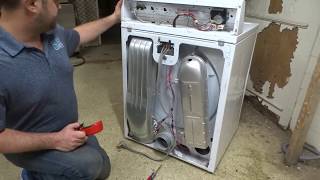
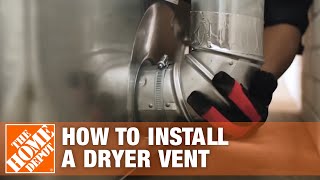
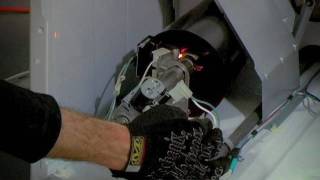
Related How-To Videos
Real DIY Repair Stories
Be the first to share your repair story!
Share Your Repair Story
Your experience helps other homeowners fix their appliances. Tell us how it went!
Can't Fix It Yourself? Find a Local Technician
It's perfectly okay to call a professional. Some repairs require specialized tools, deep teardowns, or dealing with complex systems that are better left to the pros.

Find the Right Part for Your Appliance
Don't guess — search your exact appliance model number at ProsourceParts.com to find the correct OEM compatible replacement part. They offer fast free shipping, guaranteed fit, and thousands of parts in stock.
Your Free Parts Videos
Whether your dishwasher won't drain, your dryer stopped heating, or your fridge isn't cold, we've created simple repair guides for the most common appliance problems homeowners face. Each guide explains what's going wrong, the most likely causes, and which replacement parts fix the issue. When you're ready to order, we link directly to ProsourceParts.com where you can search by model number and get the right part shipped fast.