
Kenmore Washer Tub Bearing & Seal Install Tool Kit 11027087604 – Repair Guide
Need the replacement part? Search your model number at for guaranteed fit and fast free shipping.
Understanding the Problem
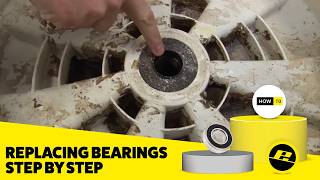
When a washer's tub bearings or outer tub seal begin to fail, the machine typically becomes noisy, wobbly, and may start leaking at the base. Bearings support the inner tub on the transmission/shaft; once they wear, the tub rides unevenly and grinds during spin. A damaged tub seal lets water escape the outer tub and contaminates the bearings, accelerating wear. Replacing tub bearings and seals is a precision repair. The 11027087604 install tool kit is designed to press bearings and seals in and out cleanly without damaging the tub flange or new seals. Proper removal of the inner tub, correct use of the driver/adapters, and ensuring the hub and shaft surfaces are clean are essential for a long-lasting repair.
Common Symptoms
Loud rumbling or grinding during spin, noticeable play or wobble in the tub, water leaking from the base of the washer, strong vibration or clothes bunched to one side.
Common Causes
- Worn or corroded tub bearings from age and water contamination
- Damaged or torn outer tub seal allowing water into the bearing area
- Improper installation or prior damage to the tub/hub causing premature failure
Popular Parts That Fix This Problem
These are the most common replacement parts that fix this problem. When you're ready to order, click below to find the right part at ProsourceParts.com — just search by your appliance model number for a guaranteed fit.
Helpful Repair Tip
Confirm the bearing/seal is bad by lifting and turning the inner tub: feel for roughness, grinding, or excessive play. Also check for oil/grease or rust at the bottom of the washer cabinet and look for water stains where the outer tub meets the cabinet.
Frequently Asked Questions
How can I tell if the tub bearing or the seal is the problem?
Listen for grinding or rumbling during spin and check for lateral play in the inner tub by grabbing it and rocking it back and forth. If you find grease, rust, or water pooling at the base of the cabinet or a visible tear in the outer tub seal, the seal is compromised and the bearings are likely contaminated. Typically both are replaced together because a bad seal usually damages the bearings.
Is it safe for a DIYer to replace bearings and seals with this tool kit?
A motivated DIYer with basic mechanical skills can do this repair, but it is moderately difficult. The job requires removing the washer cabinet, belt/transmission (or motor/transaxle), and inner tub, and using the install kit correctly to avoid damaging the tub flange or new seals. You should have the right tools (socket set, puller/press adapters, torque specs) and expect 2–4 hours. If you're uncomfortable with heavy disassembly or aligning the hub/shaft, consider hiring a technician.
Related How-To Videos
Real DIY Repair Stories
Be the first to share your repair story!
Share Your Repair Story
Your experience helps other homeowners fix their appliances. Tell us how it went!
Can't Fix It Yourself? Find a Local Technician
It's perfectly okay to call a professional. Some repairs require specialized tools, deep teardowns, or dealing with complex systems that are better left to the pros.
Find the Right Part for Your Appliance
Don't guess — search your exact appliance model number at ProsourceParts.com to find the correct OEM compatible replacement part. They offer fast free shipping, guaranteed fit, and thousands of parts in stock.
Your Free Parts Videos
Whether your dishwasher won't drain, your dryer stopped heating, or your fridge isn't cold, we've created simple repair guides for the most common appliance problems homeowners face. Each guide explains what's going wrong, the most likely causes, and which replacement parts fix the issue. When you're ready to order, we link directly to ProsourceParts.com where you can search by model number and get the right part shipped fast.