
Kenmore Refrigerator Water Valve Replacement – What Part Fixes This Problem?
Need the replacement part? Search your model number at for guaranteed fit and fast free shipping.
Understanding the Problem
If your Kenmore refrigerator's water dispenser or ice maker stops delivering water, leaks from the back, or runs continuously, the inlet (water) valve is a common culprit. The inlet valve controls water flow from your home supply to the dispenser and ice maker using electrically‑controlled solenoids. Over time the valve can fail electrically or mechanically, clog, or leak. Replacing the inlet valve is often a straightforward repair: shut off the water, disconnect power, remove the access panel, disconnect the water line and wiring, and swap the valve. Always verify the exact replacement part for your Kenmore model number — Kenmore refrigerators use valves made by Whirlpool/Whirlpool-owned suppliers on many models, so several similar part numbers may be listed for different model ranges.
Common Symptoms
No water from dispenser, slow/weak dispenser flow, no ice production, water leaking behind fridge, or water continuously running into the drain or out the dispenser.
Common Causes
- Failed solenoid(s) in the inlet valve (electrical failure or stuck plunger)
- Internal valve clog or debris from the supply line reducing flow
- Leaking seals or fittings at the valve or a cracked valve body
Popular Parts That Fix This Problem
These are the most common replacement parts that fix this problem. When you're ready to order, click below to find the right part at ProsourceParts.com — just search by your appliance model number for a guaranteed fit.

Helpful Repair Tip
Confirm a faulty valve by turning off water, disconnecting the valve, and testing each solenoid coil for continuity with a multimeter; also inspect for visible leaks at hose connections and check water pressure/flow at the supply line.
Frequently Asked Questions
How do I know if the water inlet valve is bad?
Common signs are no water from the dispenser or ice maker, weak flow, or visible leaking near the valve. To confirm, shut off power and water, access the valve, and test each solenoid coil with a multimeter for continuity (infinite/no continuity means a failed coil). You can also apply 120V (or the fridge's supply voltage) briefly to a solenoid to see if it actuates — only if you are experienced and take safety precautions. Also inspect for debris or sediment in the valve screen that can block flow.
Can I replace the valve myself and how long will it take?
Yes — if you are comfortable with basic tools and safety steps. Turn off the refrigerator power and shut off the water supply, remove the rear or lower access panel, disconnect the electrical connectors and water line (have a towel to catch water), remove mounting screws, swap the valve, then reconnect and test for leaks. Most DIYers can complete the job in 30–60 minutes. If you are unsure about electrical testing or handling water lines, consider hiring a technician.
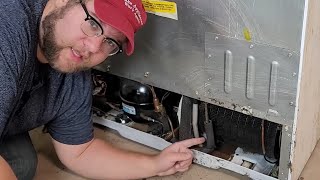
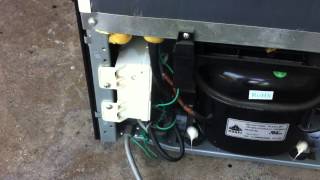
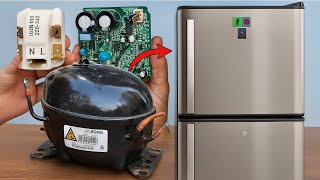
Related How-To Videos


Real DIY Repair Stories
Be the first to share your repair story!
Share Your Repair Story
Your experience helps other homeowners fix their appliances. Tell us how it went!
Can't Fix It Yourself? Find a Local Technician
It's perfectly okay to call a professional. Some repairs require specialized tools, deep teardowns, or dealing with complex systems that are better left to the pros.

Find the Right Part for Your Appliance
Don't guess — search your exact appliance model number at ProsourceParts.com to find the correct OEM compatible replacement part. They offer fast free shipping, guaranteed fit, and thousands of parts in stock.
Your Free Parts Videos
Whether your dishwasher won't drain, your dryer stopped heating, or your fridge isn't cold, we've created simple repair guides for the most common appliance problems homeowners face. Each guide explains what's going wrong, the most likely causes, and which replacement parts fix the issue. When you're ready to order, we link directly to ProsourceParts.com where you can search by model number and get the right part shipped fast.