
Kenmore Gas Range Won't Light — What Part Fixes This Problem?
Need the replacement part? Search your model number at for guaranteed fit and fast free shipping.
Understanding the Problem
Brief explanation: If your Kenmore gas range burners or oven won’t light (or ignite intermittently), the problem is usually one of: lack of gas supply, failed ignition parts (spark electrode, spark/ignition module, or oven glow igniter), or a failing gas valve. Below are step-by-step diagnostic checks and practical repair steps for both the cooktop burners and the oven. Diagnostic & repair steps: 1) Safety first a) Turn off the range power (unplug or switch off the breaker). Many Kenmore ranges use 120V for ignition. b) Turn off the gas supply valve to the appliance if you will be disconnecting gas fittings or suspect a leak. c) If you smell gas strongly, do not try to diagnose — leave the area, ventilate, shut off the gas at the meter/valve, and call your gas utility or a licensed technician. 2) Quick checks (takes 5 minutes) a) Confirm other gas appliances in the house work to rule out a whole-house gas outage. b) For burners: remove grate and burner cap and visually inspect the electrode (small metal pin next to the burner). Look for grease buildup, corrosion, or a broken/cracked electrode. c) For oven: turn the oven on to Bake and watch for the glow bar (if visible) or listen for clicking. Note whether the igniter glows and whether the oven tries to light. 3) Burners not sparking or weak spark a) Clean: Remove burner caps and heads, clean ports and the electrode area with a soft brush and rubbing alcohol — debris and grease commonly block ignition. b) Inspect electrode wiring: Remove back panel or lift cooktop (follow your model’s service manual) to access wiring to the electrode. Look for loose connectors, frayed or melted insulation. c) Test electrode continuity: With power off, disconnect the electrode wire and use a multimeter on continuity. Open (no continuity) usually means a bad electrode and it should be replaced. d) If electrodes are good, test the spark/ignition module: with power on and burner turned to ignite, a weak/no spark while electrodes are good points to a faulty spark module or safety interlock. 4) Burners click constantly but won’t light or quit clicking after ignition a) If they click continuously or after flame lights, the ignition switch or module may be stuck or faulty — replace the switch or module. b) Inspect the valve/switch assembly under the control knob; replace any switch that fails continuity testing when rotated. 5) Oven won’t light (common with 'glow igniter' systems) a) Observe the oven igniter: when calling for heat, the igniter should heat and glow bright orange within 15–90 seconds. If it never glows or glows very dim, the igniter is usually the problem. b) Oven igniter test: With power off, remove igniter and check for continuity. A completely open circuit indicates a failed igniter. Many ovens require the igniter to draw a certain current to open the gas valve — a weak igniter will glow but not draw enough current and the valve won’t open. c) Replace the oven igniter (see replacement steps below). 6) Gas smell or oven lights then goes out a) If you smell gas and the burner lights but then goes out, do not continue to use the appliance. This could indicate a failing gas valve or safety thermocouple/limit device. b) Shut off the appliance and call a qualified technician — gas valve replacement or re-adjustment should be done only by a trained person unless you are experienced and the model specifically allows homeowner replacement. 7) Replacement steps (general guidance) a) Oven igniter replacement (typical): disconnect power and gas; remove oven bottom or access panel; disconnect wires to the igniter; remove mounting screws; install new igniter, reconnect wires, reassemble; restore power/gas and test. b) Burner electrode replacement: remove grates & burner caps, unscrew the burner head, disconnect the electrode lead, replace the electrode assembly, reassemble and test. c) Spark module or switch: unplug range, remove back panel or control panel to access module, document wiring or take photos, disconnect plug harnesses, swap module, reassemble and test. 8) Final checks & safety note a) After any repair, check for gas leaks at fittings with a soapy water test (bubbles indicate a leak) or a gas leak detector — never use an open flame. b) Restore power and confirm burners and oven ignite reliably through several heat cycles. Safety note: Working on gas appliances carries risk of fire, explosion, or carbon monoxide if repairs are performed incorrectly. If you are not comfortable with electrical diagnostics, gas piping, or you smell gas, hire a licensed appliance technician or plumber to complete the repair.
Common Symptoms
Burners won't spark or light, burners click continuously, oven won't ignite or the igniter glows weakly, smell of gas near appliance.
Common Causes
- Dirty or damaged burner electrode (spark electrode) or clogged burner ports
- Failed ignition/spark module or individual control switch
- Failed oven glow igniter (insufficient current to open gas valve) or faulty oven safety/gas valve
- Gas supply shutoff, kinked line, or house-level gas outage
Popular Parts That Fix This Problem
These are the most common replacement parts that fix this problem. When you're ready to order, click below to find the right part at ProsourceParts.com — just search by your appliance model number for a guaranteed fit.

Helpful Repair Tip
If the cooktop spark is visible but the burner still won't light, the valve/control is likely at fault. If the oven glows dimly or doesn't glow at all when calling for heat, replace the oven igniter — that's the most common fix.
Frequently Asked Questions
How much does it cost to fix a Kenmore gas range that won't light?
Cost varies by symptom and whether you DIY. Common parts: oven igniter $30–$120, spark electrode $10–$40, ignition module $50–$200. If you hire a technician, labor typically adds $100–$250 depending on your area and complexity of the repair.
Is it safe to keep using the stove if a burner or oven won't light?
Do not use the appliance if you smell gas. If a single burner or the oven won't light but you do not smell gas, you can use other working burners carefully. However, persistent ignition problems or gas odors require shutting off the appliance and contacting a qualified technician or your gas utility.
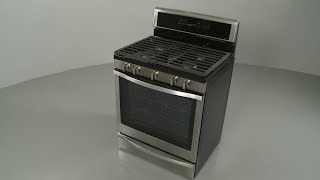
Related How-To Videos

Real DIY Repair Stories
Be the first to share your repair story!
Share Your Repair Story
Your experience helps other homeowners fix their appliances. Tell us how it went!
Can't Fix It Yourself? Find a Local Technician
It's perfectly okay to call a professional. Some repairs require specialized tools, deep teardowns, or dealing with complex systems that are better left to the pros.

Find the Right Part for Your Appliance
Don't guess — search your exact appliance model number at ProsourceParts.com to find the correct OEM compatible replacement part. They offer fast free shipping, guaranteed fit, and thousands of parts in stock.
Your Free Parts Videos
Whether your dishwasher won't drain, your dryer stopped heating, or your fridge isn't cold, we've created simple repair guides for the most common appliance problems homeowners face. Each guide explains what's going wrong, the most likely causes, and which replacement parts fix the issue. When you're ready to order, we link directly to ProsourceParts.com where you can search by model number and get the right part shipped fast.