
Kenmore Elite Top Load Washer Won't Spin or Agitate – What Part Fixes This?
Need the replacement part? Search your model number at for guaranteed fit and fast free shipping.
Understanding the Problem
When a Kenmore Elite top-load washer fills with water but the drum won't agitate or spin, it stops cleaning and leaving clothes sopping wet. This problem can be caused by simple issues like an unbalanced load or user settings, but most persistent failures come from wear or electrical faults in a small group of parts that control agitation and rotation. Diagnosing the issue means isolating whether the washer's mechanical drive is unable to turn (broken belt, worn coupling, seized transmission), or whether the electrical safety or control circuit is preventing the motor from running (faulty lid switch, motor start device, or control board). Listening for motor hums, feeling whether the basket can be turned by hand, and running service diagnostics will narrow the cause quickly.
Common Symptoms
Washer fills but does not agitate or spin; motor hums or is silent; clothes remain soaked; washer may show error codes or start/stop mid-cycle; loud grinding or slipping noises before failure.
Common Causes
- Faulty lid switch or lid lock assembly preventing motor start
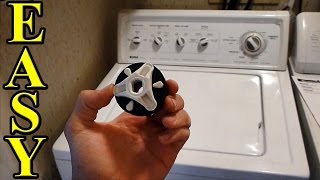
- Worn or broken motor coupling, belt, or drive components (mechanical breakage)
- Failed motor, transmission/clutch, or control board preventing power to drive
Popular Parts That Fix This Problem
These are the most common replacement parts that fix this problem. When you're ready to order, click below to find the right part at ProsourceParts.com — just search by your appliance model number for a guaranteed fit.

Helpful Repair Tip
Run the washer's diagnostic/spin cycle (consult manual) and listen: a humming motor with no rotation points to a mechanical coupling or transmission fault; no sound and no motor activity often indicates a lid switch or control/power issue. Use a multimeter to check lid-switch continuity before replacing mechanical parts.
Frequently Asked Questions
Can I repair this myself or do I need a technician?
Many simple checks and parts replacements (lid switch, belt/coupler, agitator parts) can be done by a confident DIYer with basic tools and the model-specific service manual. Always unplug the washer and shut off water before starting. For transmission, motor, or electronic control board replacements, or if you hear grinding and metal-on-metal noises, it's often safer and more cost-effective to use a qualified technician.
How much will repair typically cost?
DIY parts-only repairs for things like a lid switch, coupling, or agitator kit usually range $15–$80 in parts. Professional repairs (labor + parts) for motor, transmission, or control board replacements typically range $200–$600 depending on model and local labor rates. Always get a diagnosis before purchasing expensive parts.
Related How-To Videos
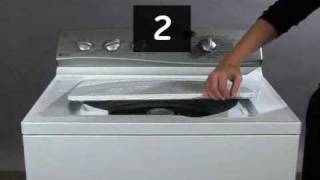
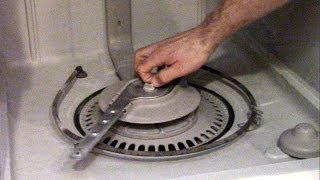
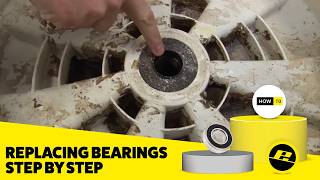
Real DIY Repair Stories
Be the first to share your repair story!
Share Your Repair Story
Your experience helps other homeowners fix their appliances. Tell us how it went!
Can't Fix It Yourself? Find a Local Technician
It's perfectly okay to call a professional. Some repairs require specialized tools, deep teardowns, or dealing with complex systems that are better left to the pros.

Find the Right Part for Your Appliance
Don't guess — search your exact appliance model number at ProsourceParts.com to find the correct OEM compatible replacement part. They offer fast free shipping, guaranteed fit, and thousands of parts in stock.
Your Free Parts Videos
Whether your dishwasher won't drain, your dryer stopped heating, or your fridge isn't cold, we've created simple repair guides for the most common appliance problems homeowners face. Each guide explains what's going wrong, the most likely causes, and which replacement parts fix the issue. When you're ready to order, we link directly to ProsourceParts.com where you can search by model number and get the right part shipped fast.