
Kenmore Elite Gas Dryer Not Staying Hot — What Parts Fix This Problem?
Need the replacement part? Search your model number at for guaranteed fit and fast free shipping.
Understanding the Problem
Brief explanation: A Kenmore Elite gas dryer that heats briefly then cools, or never reaches full heat, is usually caused by a failed safety thermostat/fuse, a weak or non-functioning igniter, bad gas valve coils, poor airflow (clogged vent), or a cycling/hi-limit thermostat that is opening early. The dryer needs a working igniter, gas valve coils, proper airflow, and intact thermostats/thermal fuse to sustain the flame. Step-by-step diagnostic & repair steps: 1) Confirm symptom and basic conditions - Run a timed heat cycle with an empty load. Note whether the dryer heats at all, heats then shuts off, or never heats. - Check that the gas supply shutoff (behind the dryer) is fully open and other gas appliances in the home are working. 2) Check/remove airflow restrictions (quick test — the easiest fix) - Clean the lint screen and lint housing. - Disconnect the exhaust vent at the dryer and run the dryer on high heat. If heat returns normally, the vent is restricted. Clean vent/duct and outside hood with a vent brush or call a duct cleaning service. 3) Verify power and start-of-cycle behavior - Make sure the dryer is getting 120 VAC to the motor and controls. If the motor is running but no heat, proceed. 4) Inspect the thermal fuse - Locate the thermal fuse (usually on the blower housing or near the heating assembly). With the dryer unplugged, disconnect the wires and test for continuity with a multimeter. An open thermal fuse/no continuity = replace. This fuse blows when the dryer overheats and will prevent the igniter from receiving power. 5) Test the igniter - With the dryer disconnected from power and gas, access the burner box/igniter. Inspect for visible cracks. Use a multimeter to test continuity; a healthy igniter typically has low resistance (a few ohms to a few dozen ohms depending on model). If it’s open or shows infinite resistance, replace the igniter. - Reassemble, reapply power & gas, and run the dryer to observe: the igniter should glow shortly after start. If it glows but flame does not stay on, move to gas valve coil testing. 6) Test gas valve coils (solenoids) - With power off, locate the gas valve solenoid kit on the gas valve assembly. Test each coil with a multimeter; they should show resistance (usually low ohms). If any coil is open or out of spec, replace the coil kit. If coils appear fine but the igniter glows and the valve doesn’t open, coils are suspect. 7) Check cycling thermostat and high-limit thermostat - These thermostats control heat cycling and over-temperature shutoff. Test each for continuity at room temperature. A thermostat that is open when it should be closed must be replaced. 8) Inspect flame sensor/flame rectifier (if equipped) - Some models use a flame sensor to confirm flame presence. If sensor is faulty the control may cut gas prematurely. Test per model instructions or replace if suspect. 9) Check voltage to gas valve during operation - With the dryer running and igniter glowing (careful), measure voltage to the gas valve coil circuit. If the control is sending voltage but the valve doesn’t open, the valve or coils are bad. If no voltage, the control thermostat or timer is the issue. 10) Replace faulty parts and verify - Replace the identified failed part(s): thermal fuse, igniter, gas valve coil kit, or thermostat. Reassemble and run several cycles to confirm consistent heat. Practical how-to-fix examples (replacement basics): - Thermal fuse replacement: Unplug dryer, remove back panel, disconnect wires from fuse, note orientation, remove fastener(s), install new fuse, reconnect wires and panel. - Igniter replacement: Unplug and shut off gas, remove rear panel and/or front access panel to reach burner assembly, disconnect igniter wiring, remove retaining screws, install new igniter, reassemble, restore gas and power, test. - Gas valve coil kit replacement: Turn off gas and electric. Remove front or rear access to gas valve, note positions of coils and connecting wires, remove retaining clip/screws, replace coil kit as a unit, reattach wiring, restore gas and power, test for leaks and correct operation. Safety note: Always unplug the dryer and turn off the gas supply before opening panels or testing components. If you’re uncomfortable working with gas connections or measuring live voltages, call a licensed appliance or gas technician. After any gas service, check connections for leaks with a soap solution or a certified gas leak detector and ensure proper combustion and venting.
Common Symptoms
Heats briefly then cools; no heat at all; dryer tumbles but flame doesn't sustain; takes many cycles to dry; dryer trips thermal cutout.
Common Causes
- Clogged or restricted exhaust vent causing overheating and thermal fuse trips
- Open or failed thermal fuse (safety cutoff)
- Weak or broken igniter that won’t sustain a flame
- Faulty gas valve solenoid coils preventing gas flow
- Open cycling thermostat or high-limit thermostat cutting heat prematurely
- Faulty flame sensor or control board not commanding gas valve
Popular Parts That Fix This Problem
These are the most common replacement parts that fix this problem. When you're ready to order, click below to find the right part at ProsourceParts.com — just search by your appliance model number for a guaranteed fit.

Helpful Repair Tip
Quickly confirm: run the dryer with the vent disconnected. If heating returns, clean the vent; if it still won’t stay hot, start by checking the thermal fuse and igniter next.
Frequently Asked Questions
My dryer heats for a minute then stops — do I need a new igniter or thermal fuse?
If the dryer heats briefly and then stops, first check airflow (clean vent). If airflow is OK, test the thermal fuse for continuity — an open fuse is a common cause. If the thermal fuse is good and you see no sustained glow from the igniter, test/replace the igniter. If the igniter glows but gas never stays on, suspect the gas valve coils.
How much will it cost to repair a Kenmore Elite gas dryer that won’t stay hot?
Parts-only: expect $15–$40 for a thermal fuse, $30–$80 for an igniter, and $30–$120 for a gas valve coil kit depending on part brand. Labor (if using a technician) typically adds $100–$250 depending on region. Cleaning a clogged vent is cheaper if DIY; pro vent cleaning is often $100–$200. Always get a model-specific parts quote before purchase.
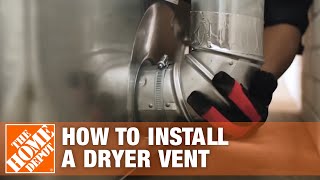
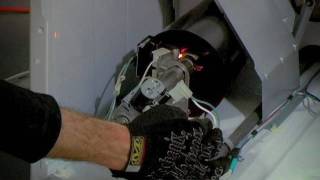
Related How-To Videos
Real DIY Repair Stories
Be the first to share your repair story!
Share Your Repair Story
Your experience helps other homeowners fix their appliances. Tell us how it went!
Can't Fix It Yourself? Find a Local Technician
It's perfectly okay to call a professional. Some repairs require specialized tools, deep teardowns, or dealing with complex systems that are better left to the pros.

Find the Right Part for Your Appliance
Don't guess — search your exact appliance model number at ProsourceParts.com to find the correct OEM compatible replacement part. They offer fast free shipping, guaranteed fit, and thousands of parts in stock.
Your Free Parts Videos
Whether your dishwasher won't drain, your dryer stopped heating, or your fridge isn't cold, we've created simple repair guides for the most common appliance problems homeowners face. Each guide explains what's going wrong, the most likely causes, and which replacement parts fix the issue. When you're ready to order, we link directly to ProsourceParts.com where you can search by model number and get the right part shipped fast.