
Kenmore Elite 110.63032102 Heating Element – What Part Fixes No-Heat Problems?
Need the replacement part? Search your model number at for guaranteed fit and fast free shipping.
Understanding the Problem
What the heating element does The heating element is the electric coil assembly that produces heat for your dryer. When it fails (open coil, short, or short-to-ground) the dryer may tumble but produce little or no heat, take excessively long to dry, or trip breakers. Diagnostic and repair steps (step-by-step) 1) Safety first - Unplug the dryer or switch off its breaker at the panel before doing any work. Verify power is off with a non-contact tester if available. 2) Confirm the symptom - Run a timed cycle and confirm: drum spins but no heat; very low heat; or trips the breaker when heating starts. 3) Verify basic power and L2 feed - For an electric dryer you need 240V (two hots). Check the house breaker and the dryer’s terminal block for loose wires or burnt connectors. If the dryer shows no 240V present, address home electrical supply first. 4) Check the thermal fuse and thermostats (common false suspects) - The thermal fuse (usually on the blower housing) and high-limit thermostat can open when overheating. Use a multimeter to check continuity. If the thermal fuse is open, replace it before replacing the element because a blown fuse commonly indicates overheating caused by lint or a failed element. 5) Test the heating element for continuity - Access the element (see replacement steps below). With the element disconnected, measure resistance across the element terminals with a multimeter. Typical coil resistance is low ohms (often 5–50 ohms depending on element design). Infinite/OL = open element = replace. Very low or zero ohms to cabinet/chassis = short to ground = replace. 6) Inspect the element visually - Look for broken coils, burnt or melted ceramic insulators, and areas where the coil has contacted the housing (short). Also inspect the element housing for signs of arcing or burning. 7) Replace the heating element assembly if failed - If the element is open or shorted, replace it. Also replace any thermal fuse or thermostat that tested open or shows damage, and clean lint from the cabinet and vent system. 8) Reassemble and test - Reconnect element, secure panels, restore power, run a test cycle and confirm proper heating. Monitor for abnormal smells or smoke during first run. Basic how-to replace the heating element (practical steps) 1) Tools: nut drivers (usually 1/4", 5/16"), Philips screwdriver, multimeter, needle-nose pliers, work gloves. 2) Unplug dryer and pull unit away from wall. Remove lint from trap and vent hose. 3) Access element: On many Kenmore Elite models (Whirlpool-based) remove the dryer top or rear panel to access the heating element housing. Typical steps: remove top screws at rear, tilt/remove top; or remove rear panel screws and access element housing from back. Consult your model's tech sheet for exact disassembly if unsure. 4) Label and disconnect wires from the element and any sensors, then remove the screws/clamps holding the element housing and withdraw the assembly. 5) Install the new heating element assembly: position housing, secure screws, and reconnect wires to the correct terminals. 6) Replace any thermal fuse or high-limit thermostat that failed, and replace damaged wire terminals. 7) Reassemble panels, reconnect power, and test on a timed cycle. Verify proper heat in 5–10 minutes. Safety note Always disconnect power before testing or working on the dryer. Heating components can retain heat and sharp sheet metal is exposed during repair. If you are not comfortable working with 240V appliances, hire a qualified appliance technician.
Common Symptoms
Dryer tumbles but won’t heat; very low or intermittent heat; long dry times; burning/arcing smell; breaker trips when dryer attempts to heat.
Common Causes
- Heating element coil open or shorted (element assembly failure)
- Blown thermal fuse or failed high-limit thermostat (safety devices open circuit)
- Power supply issue or burnt/loose connections at the terminal block
Popular Parts That Fix This Problem
These are the most common replacement parts that fix this problem. When you're ready to order, click below to find the right part at ProsourceParts.com — just search by your appliance model number for a guaranteed fit.

Helpful Repair Tip
Before buying a new element, test the element for continuity with a multimeter—an open (infinite) reading confirms the element is bad. Also test the thermal fuse since a blown fuse often accompanies no-heat issues.
Frequently Asked Questions
How do I test the heating element on my Kenmore dryer?
Unplug the dryer, access the heating element and disconnect its wires. Use a multimeter set to ohms to measure resistance across the element terminals. A reading of infinite (OL) indicates an open element — replace it. Also test for continuity from each element terminal to chassis ground; continuity indicates a short to ground and requires replacement. Always also check the thermal fuse and thermostats because they’re common causes of no-heat.
Can I replace the heating element myself or should I call a technician?
If you’re comfortable with basic hand tools and working safely around 240V appliances, you can replace the heating element yourself following the steps above. If you’re unsure how to disconnect power, work near the terminal block, or diagnose related components (thermal fuse, thermostats, wiring), or if the terminal block or wiring shows burning, hire a qualified appliance technician.
Related How-To Videos
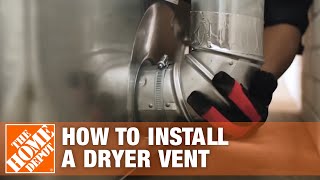
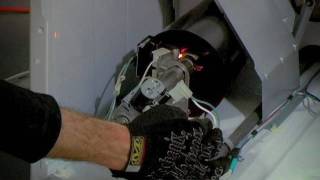
Real DIY Repair Stories
Be the first to share your repair story!
Share Your Repair Story
Your experience helps other homeowners fix their appliances. Tell us how it went!
Can't Fix It Yourself? Find a Local Technician
It's perfectly okay to call a professional. Some repairs require specialized tools, deep teardowns, or dealing with complex systems that are better left to the pros.
Find the Right Part for Your Appliance
Don't guess — search your exact appliance model number at ProsourceParts.com to find the correct OEM compatible replacement part. They offer fast free shipping, guaranteed fit, and thousands of parts in stock.
Your Free Parts Videos
Whether your dishwasher won't drain, your dryer stopped heating, or your fridge isn't cold, we've created simple repair guides for the most common appliance problems homeowners face. Each guide explains what's going wrong, the most likely causes, and which replacement parts fix the issue. When you're ready to order, we link directly to ProsourceParts.com where you can search by model number and get the right part shipped fast.