
Kenmore Dryer 79681182310 — Common Problems, Diagnostics & How to Fix Them
Need the replacement part? Search your model number at for guaranteed fit and fast free shipping.
Understanding the Problem
This guide covers the most common issues owners see with Kenmore dryer model 79681182310 (an electric front‑load dryer). Typical problems are: dryer won't start or tumble, dryer runs but doesn't heat, dryer takes too long to dry, loud noises or squeaks, and the dryer trips the breaker. Below are practical diagnostic steps and repair actions you can perform at home. 1) Identify the symptom - Confirm whether the dryer: (a) doesn't run at all, (b) tumbles but doesn't heat, (c) makes loud noises, or (d) takes too long to dry. Testing one load while watching/ listening will help narrow the issue. 2) Safety first - Unplug the dryer or switch off the circuit breaker before opening any panels. Electric dryers use 240V which is dangerous. 3) If the dryer doesn't start or tumble - Check power: verify the outlet has two hot legs and a neutral (use a multimeter or confirm another 240V appliance works). Also check the home's breaker and fuses. - Door switch: press and listen for a click; test for continuity with a multimeter. Replace if open when door closed. - Start switch and control board: test start switch for continuity when pressed; if the motor gets no voltage when starting, inspect timer or control board. - Drive belt: open the cabinet and inspect for a broken belt. Replace belt if snapped or very worn. - Motor: if the motor hums but won't spin, capacitor or motor may be bad — check for burnt smell, or test motor windings for continuity. 4) If the dryer tumbles but doesn't heat (electric dryer) - Thermal fuse: the most common failure. Locate (usually on the blower housing or near the heating element) and test for continuity. Replace if open. - Heating element: visually inspect for breaks or burn marks; test coil for continuity. Replace if open or damaged. - High‑limit thermostat / cycling thermostat: test continuity; replace if failed. - Incoming voltage: confirm dryer is getting ~240V at terminal block; if missing one hot leg you get no heat but the drum may still tumble (if motor only uses 120V). - Lint/clogged vent: restricted airflow can prevent heating or cause overheating and thermal fuse failure. Disconnect the vent and run a short cycle to check performance. 5) If the dryer runs but takes too long to dry - Clean lint filter and vent thoroughly. Remove lint from blower and cabinet. - Test air temperature at the vent and compare to expected range (hot to the touch and strong airflow). Weak airflow suggests vent blockage or failing blower wheel. - Check thermostats and heating element for partial failure. 6) If the dryer is noisy or squeals - Check drum rollers, bearings, idler pulley, and motor bearing for wear. Replace worn rollers/pulley. - Inspect blower wheel for damage or lint buildup and replace if cracked or loose. - Worn drum glides/slide pads can cause squeaks — replace pads. 7) Basic step‑by‑step replacement procedure (example: thermal fuse) - Unplug dryer and move it away from the wall. - Access the fuse: typically remove the back panel or lower front panel depending on model. - Note and photograph wiring connections, then disconnect the wires from the thermal fuse. - Remove the mounting screw(s) and extract the fuse. - Install the new fuse, reconnect wires in the same order, reassemble panels, restore power and test. 8) Verify repairs - After replacing parts, run a test load and check for proper tumbling, heating, and airflow. Monitor for unusual noises or error codes. Safety note: Always disconnect power before inspecting or repairing an electric dryer. If you are not comfortable working with high voltage or disassembling the dryer cabinet, hire a qualified appliance technician.
Common Symptoms
Dryer won't start or tumble; dryer tumbles but no heat; long dry times; loud squealing or rumbling; dryer trips breaker or overheats.
Common Causes
- Blown thermal fuse or bad thermostat (no heat)
- Broken drive belt, motor or start switch (no tumble)
- Clogged vent/duct or lint buildup (poor drying performance)
- Worn drum rollers, idler pulley, or bearings (noise)
- Faulty control board or timer (intermittent operation or no start)
Popular Parts That Fix This Problem
These are the most common replacement parts that fix this problem. When you're ready to order, click below to find the right part at ProsourceParts.com — just search by your appliance model number for a guaranteed fit.

Helpful Repair Tip
To confirm a failed thermal fuse or thermostat, remove the part and test for continuity with a multimeter — no continuity means the part is open and needs replacement. Also run the dryer with the vent disconnected: if heating improves, your vent/ducting is blocked.
Frequently Asked Questions
Why does my Kenmore dryer 79681182310 tumble but not heat?
Most often this is a failed thermal fuse, bad heating element, or an open thermostat. First check the vent for blockages. Then unplug the dryer and test the thermal fuse for continuity — if it's open, replace it. If the fuse is good, test the heating element coil and thermostats for continuity and inspect the terminal block for proper voltage (240V).
How do I find the correct replacement part for my dryer?
Locate the model and serial number tag (usually on the door frame or the back panel). Use that model number when searching parts from the manufacturer, RepairClinic, PartSelect, or Sears parts site. Cross‑check diagrams and part images to ensure fit; if unsure, post the exact model and the failed part's picture when ordering.
Related How-To Videos
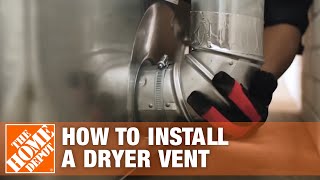
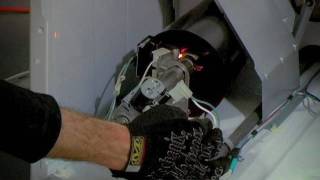
Real DIY Repair Stories
Be the first to share your repair story!
Share Your Repair Story
Your experience helps other homeowners fix their appliances. Tell us how it went!
Can't Fix It Yourself? Find a Local Technician
It's perfectly okay to call a professional. Some repairs require specialized tools, deep teardowns, or dealing with complex systems that are better left to the pros.

Find the Right Part for Your Appliance
Don't guess — search your exact appliance model number at ProsourceParts.com to find the correct OEM compatible replacement part. They offer fast free shipping, guaranteed fit, and thousands of parts in stock.
Your Free Parts Videos
Whether your dishwasher won't drain, your dryer stopped heating, or your fridge isn't cold, we've created simple repair guides for the most common appliance problems homeowners face. Each guide explains what's going wrong, the most likely causes, and which replacement parts fix the issue. When you're ready to order, we link directly to ProsourceParts.com where you can search by model number and get the right part shipped fast.