
Kenmore Condenser Fan Motor 10644022601 – What It Does & How to Replace
Need the replacement part? Search your model number at for guaranteed fit and fast free shipping.
Understanding the Problem
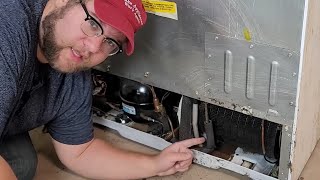
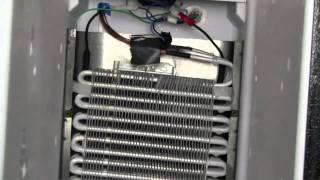
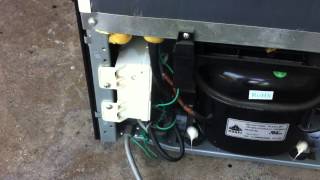
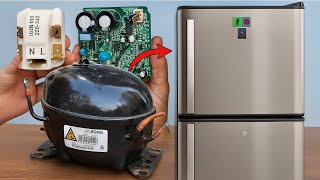
The condenser fan motor (Kenmore part 10644022601) powers the fan that pulls air across the condenser coils and helps cool the compressor. When it fails the fridge can run warm, the compressor may overheat or run continuously, and energy use will rise. Below are practical diagnostic and repair steps you can follow to confirm and replace the motor. 1) Confirm symptoms and isolate the problem: - Listen at the back/bottom of the fridge for the condenser fan. If you hear nothing while the compressor is running, suspect the condenser fan motor. If you hear loud grinding, rattling, or a hum without blade movement, the motor bearings are likely bad. - Check temperatures: warm fridge/freezer with normal compressor sound often points to poor condenser airflow. 2) Locate the condenser fan: - Unplug the refrigerator. The condenser fan is usually behind the lower rear access panel or front kick grille near the compressor. - Remove the grille/panel (usually held by a few screws or clips) to access the motor and fan blade. 3) Visual inspection and manual spin test: - Inspect the fan blade for debris, ice, or obstruction. Clear anything that blocks the blade. - Gently spin the fan blade by hand. It should spin freely and coast to a stop; grinding or stiff spots mean worn bearings. 4) Electrical checks (basic multimeter tests): - With power restored (take extreme care) and compressor running, measure for line voltage at the motor connector (typically 120 VAC on U.S. models). No voltage suggests a wiring, thermostat/control, or overload issue rather than the motor itself. - With the fridge unplugged, check motor winding continuity with a multimeter. Open circuit or extreme resistance differences indicate a failed motor. 5) Final diagnosis: replace motor if the fan does not run, is noisy/grinding, has seized bearings, or has open windings. If the motor hums but doesn’t turn, replacement is needed; if there’s no voltage to the motor, diagnose wiring, relay/thermostat, or control board first. 6) Replacement steps (how to fix): - Tools: screwdriver set (Phillips/flat), nut drivers, multimeter, needle-nose pliers, and optionally a putty knife to remove grille clips. - Power off and unplug the refrigerator. - Remove the access grille/panel to expose the fan and motor assembly. - Note or photograph wiring connections and orientation of the blade and motor for reassembly. - Remove the fan blade from the motor shaft (usually a friction fit; pull straight off—use a cloth or glove). If corroded, gently pry with even pressure. - Disconnect wiring harness or carefully pull off spade connectors. If connectors are corroded, clean or replace them. - Remove mounting screws or clips securing the motor to the shroud. Extract the motor. - Install the new motor (Kenmore 10644022601 or exact OEM match) in the same orientation. Secure with original screws/clips. - Reinstall the fan blade on the new motor shaft, ensuring correct direction and ample clearance from shroud. - Reconnect wiring per your photos/notes. - Reinstall access panel/grille. Plug in the refrigerator and observe: the fan should run when the compressor is on; verify quiet operation and proper airflow across coils. Safety note: Always unplug the appliance before disassembly and use caution when testing live voltages. If you are not comfortable working around live circuits or cannot confirm motor specs, hire a qualified appliance technician.
Common Symptoms
No condenser fan noise, warm refrigerator or freezer, compressor runs continuously or overheats, loud grinding or rattling from the rear/bottom of the fridge, visible fan blade obstruction or seized blade.
Common Causes
- Worn or seized bearings in the condenser fan motor
- Electrical failure in the motor windings or internal components
- Obstruction or debris preventing the fan blade from turning
- Damaged wiring or bad connector causing loss of power to the motor
Popular Parts That Fix This Problem
These are the most common replacement parts that fix this problem. When you're ready to order, click below to find the right part at ProsourceParts.com — just search by your appliance model number for a guaranteed fit.

Helpful Repair Tip
Confirm the motor is the problem by first ensuring the motor is receiving line voltage while the compressor runs; if it has voltage but doesn't spin or hum abnormally and won't free-spin by hand, replace the motor.
Frequently Asked Questions
Can I run my refrigerator with a bad condenser fan motor?
No. Running the refrigerator without the condenser fan reduces airflow across the condenser coils, causing the compressor to overheat and run continuously. This can damage the compressor and shorten the appliance’s life. Replace the fan motor promptly.
Is replacing the condenser fan motor something I can do myself and how much will it cost?
Yes — if you are comfortable unplugging the fridge, removing access panels, and handling basic hand tools, this is a straightforward DIY job (30–60 minutes). Cost depends on part source: OEM motors like Kenmore 10644022601 typically cost between $50–$150. If unsure about electrical testing or accessing the motor, hire a pro.
Related How-To Videos

Real DIY Repair Stories
Be the first to share your repair story!
Share Your Repair Story
Your experience helps other homeowners fix their appliances. Tell us how it went!
Can't Fix It Yourself? Find a Local Technician
It's perfectly okay to call a professional. Some repairs require specialized tools, deep teardowns, or dealing with complex systems that are better left to the pros.

Find the Right Part for Your Appliance
Don't guess — search your exact appliance model number at ProsourceParts.com to find the correct OEM compatible replacement part. They offer fast free shipping, guaranteed fit, and thousands of parts in stock.
Your Free Parts Videos
Whether your dishwasher won't drain, your dryer stopped heating, or your fridge isn't cold, we've created simple repair guides for the most common appliance problems homeowners face. Each guide explains what's going wrong, the most likely causes, and which replacement parts fix the issue. When you're ready to order, we link directly to ProsourceParts.com where you can search by model number and get the right part shipped fast.