
Kenmore 110.92622100 Dryer — Troubleshooting & Parts to Fix Common Problems
Need the replacement part? Search your model number at for guaranteed fit and fast free shipping.
Understanding the Problem
The Kenmore 110.92622100 dryer (Whirlpool-built Kenmore series) commonly shows a handful of repeat issues as it ages: long dry times or no heat, the drum not turning, loud squeaks or thumps, and dryers that start but stop mid-cycle. These problems are often caused by a small set of wear items (belt, rollers, idler) or safety components that fail (thermal fuse, thermostats, igniter or heating element). Diagnosing this model typically begins with a simple visual and electrical check: inspect the vent and lint filter for restrictions, listen for motor noise and abnormal bearings, and test thermal protection devices for continuity. Many failures can be verified with a multimeter and a basic parts swap; others (motor or gas valve components) may require more time or professional help.
Common Symptoms
Dryer takes too long to dry or produces no heat; dryer doesn't tumble; loud squealing or grinding; dryer starts then stops; burning smell or tripped breaker.
Common Causes
- Clogged venting or lint trap causing overheating and long dry times
- Failed thermal fuse or high-limit thermostat (no heat or dryer stops)
- Worn drum belt, rollers, bearings or idler pulley causing no tumble or loud noise
Popular Parts That Fix This Problem
These are the most common replacement parts that fix this problem. When you're ready to order, click below to find the right part at ProsourceParts.com — just search by your appliance model number for a guaranteed fit.

Helpful Repair Tip
Start by checking the venting and lint screen, then test the thermal fuse and motor for continuity with a multimeter. If the drum spins but there’s no heat, check the thermal fuse/thermostats (electrical) or igniter and gas valve coils (gas models).
Frequently Asked Questions
My dryer tumbles but won’t heat. What should I check first?
First confirm whether your dryer is gas or electric. Check the lint filter and the exhaust vent for blockages — restricted airflow often causes long dry times. Next, test the thermal fuse for continuity (if open, replace). For electric dryers, test the heating element and thermostats. For gas dryers, test the igniter and gas valve coils. Only replace parts after confirming the failed component with a multimeter or visible damage.
The dryer is noisy and makes a squealing sound. Is that an easy fix?
Yes — often a squeal or grinding noise is due to worn drum rollers, bearings, or a failing idler pulley. Replacing the worn rollers and idler pulley is a common repair and relatively straightforward with basic tools. If the motor bearings are seized, the repair is more involved and may require motor replacement.
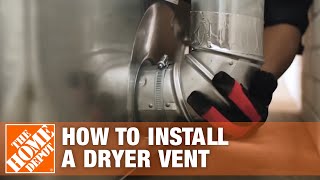
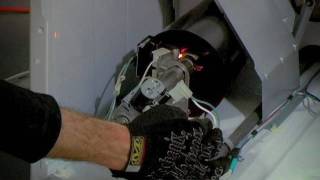
Related How-To Videos
Real DIY Repair Stories
Be the first to share your repair story!
Share Your Repair Story
Your experience helps other homeowners fix their appliances. Tell us how it went!
Can't Fix It Yourself? Find a Local Technician
It's perfectly okay to call a professional. Some repairs require specialized tools, deep teardowns, or dealing with complex systems that are better left to the pros.

Find the Right Part for Your Appliance
Don't guess — search your exact appliance model number at ProsourceParts.com to find the correct OEM compatible replacement part. They offer fast free shipping, guaranteed fit, and thousands of parts in stock.
Your Free Parts Videos
Whether your dishwasher won't drain, your dryer stopped heating, or your fridge isn't cold, we've created simple repair guides for the most common appliance problems homeowners face. Each guide explains what's going wrong, the most likely causes, and which replacement parts fix the issue. When you're ready to order, we link directly to ProsourceParts.com where you can search by model number and get the right part shipped fast.