
Kenmore 110.23014102 Washer — Common Problems, Diagnosis, and How to Fix Them
Need the replacement part? Search your model number at for guaranteed fit and fast free shipping.
Understanding the Problem
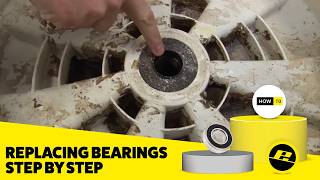
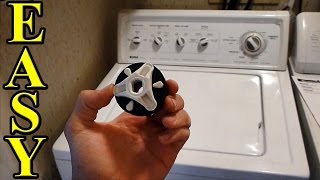
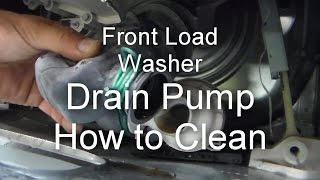
Kenmore model 110.23014102 is a top-load consumer washer that commonly ages into a few repeat problems: it may not drain or spin, the tub may not agitate, it can be noisy, or it may leak. Below are step-by-step diagnostic and repair procedures for the most common failures. 1) Basic preparation: unplug the washer and turn off the water supply. Have a multimeter, basic hand tools (screwdrivers, nut drivers), needle-nose pliers, towels, a bucket, and replacement parts ready. 2) Washer won't drain or spin (most common): a) Check for simple obstructions — remove the drain hose from the standpipe and check for clogs, then inspect the washer's drain pump inlet and the trap for lint/coins. b) Test the lid switch — top-load models will not spin if the lid switch is faulty. Remove the top panel or access bracket to reach the lid switch. With the washer unplugged, disconnect the switch harness and test continuity with a multimeter while actuating the switch; no continuity when actuated = bad switch. Replace if faulty. c) Check the drain pump — listen for the pump motor when a drain cycle is active. If you hear humming without pumping, the pump is jammed or failed. Remove the pump, clear debris, and test the motor for continuity. If it has continuity but won't run when powered (and you are comfortable doing a safe live test), swap it for a known-good pump or replace it. d) Inspect the drive coupling/clutch or transmission — if the motor runs but the drum doesn't spin, the coupling or clutch (depending on design) may be worn. Remove the cabinet, inspect the coupling between motor and transmission for broken plastic elements. Replace coupling/clutch as needed. 3) Washer doesn't agitate but fills and spins: a) Check agitator dogs/drive block — many Kenmore top-loaders use friction dogs under the agitator. Remove the agitator (usually a bolt under a cap) and inspect dogs; if worn or missing, replace them. b) Inspect the agitator spline and drive block for wear; replace worn parts. 4) Washer leaks: a) Inspect hoses — inlet hoses, drain hose, and the tub-to-pump hose for cracks or loose clamps. Tighten clamps and replace split hoses. b) Check the tub seal and pump gasket — leaks around the transmission or pump mounting often indicate a failed tub seal or pump gasket; replace as needed. c) Inspect the dispenser and outer tub for cracks. 5) Noisy washer: a) Check for foreign objects in the pump and between tub and outer tub. b) Inspect bearings and transmission — a rumbling/squealing noise under load may indicate bad bearings or transmission failure; replacement of the tub or transmission may be necessary. 6) Fill problems (won't fill or overfills): a) Check water inlet valves and screens for blockage and verify the valves open. b) Test the water level switch/pressure switch and the pressure hose to the tub for blockage or leaks. 7) Electrical troubleshooting: a) Verify household power, test the motor and timer for continuity only if you are comfortable using a multimeter on live circuits (or better, have a technician do live testing). 8) How to replace common parts (general steps): a) Lid switch: unplug washer, remove top panel (or front access on some models), disconnect wiring and mounting screws, swap the switch, reconnect and test. b) Drain pump: unplug, tip machine back safely or access pump from front/bottom, remove hoses and electrical connectors (catch water), remove mounting screws, install new pump and reattach hoses/clamps. c) Agitator dogs: remove fabric softener/dispenser cap, remove center bolt, pull agitator, replace dogs in drive block, reassemble. d) Drive coupling/clutch: remove cabinet, motor, and pulley to access coupling; replace coupling per service manual instructions. Safety note: always unplug the washer before disassembling, be prepared for water spillage, and if any live-voltage testing or component replacement seems beyond your skill or involves the motor/transmission, consider a professional technician. These repairs are practical for a confident DIYer with basic mechanical skill and a multimeter.
Common Symptoms
Washer won't drain or spin; tub doesn't agitate; loud rumbling or grinding; visible water leaks; washer overfills or won't fill properly.
Common Causes
- Faulty lid switch or lid lock preventing spin cycle
- Clogged or failed drain pump or blocked drain hose
- Worn agitator dogs, drive coupling, or clutch causing no agitation/spin
- Leaking hoses, tub seal, or pump gaskets
Popular Parts That Fix This Problem
These are the most common replacement parts that fix this problem. When you're ready to order, click below to find the right part at ProsourceParts.com — just search by your appliance model number for a guaranteed fit.
Helpful Repair Tip
Start with the lid switch and drain pump: if the washer fills but won't drain or spin, the lid switch is the most likely problem — test it for continuity; if it clicks but the pump doesn't run, check the pump for clogs or failure.
Frequently Asked Questions
How do I confirm the lid switch is the problem?
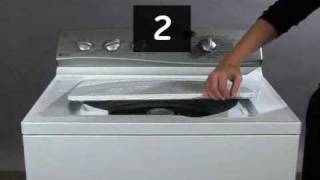
Unplug the washer, remove the top panel to access the lid switch, disconnect its wiring harness and test for continuity with a multimeter while manually actuating the switch. If you get no continuity when the lid is closed/actuated, the switch is bad and should be replaced. Also observe whether the washer attempts to start the spin cycle; if it never tries, the lid switch is a prime suspect.
Is it worth repairing an older Kenmore 110 series washer or should I replace it?
If the problem is a relatively low-cost part (lid switch, pump, agitator dogs, hoses), repairing is usually economical. If you face major failures like a bad transmission, seized motor bearings, or tub corrosion, replacement might make more sense given parts and labor costs. Consider the washer's age, frequency of repairs, and current cost of comparable new machines.
Related How-To Videos
Real DIY Repair Stories
Be the first to share your repair story!
Share Your Repair Story
Your experience helps other homeowners fix their appliances. Tell us how it went!
Can't Fix It Yourself? Find a Local Technician
It's perfectly okay to call a professional. Some repairs require specialized tools, deep teardowns, or dealing with complex systems that are better left to the pros.
Find the Right Part for Your Appliance
Don't guess — search your exact appliance model number at ProsourceParts.com to find the correct OEM compatible replacement part. They offer fast free shipping, guaranteed fit, and thousands of parts in stock.
Your Free Parts Videos
Whether your dishwasher won't drain, your dryer stopped heating, or your fridge isn't cold, we've created simple repair guides for the most common appliance problems homeowners face. Each guide explains what's going wrong, the most likely causes, and which replacement parts fix the issue. When you're ready to order, we link directly to ProsourceParts.com where you can search by model number and get the right part shipped fast.