
Kenmore 110.21302013 Leaking Water – What’s Causing the Leak and What Part Fixes It
Need the replacement part? Search your model number at for guaranteed fit and fast free shipping.
Understanding the Problem
A Kenmore model 110.21302013 (top-load laundry washer) that’s leaking can be caused by several common failures: worn hoses or hose clamps, a failing drain pump, a cracked outer tub or dispenser, or a bad seal/connection at the water inlet or tub-to-pump connections. Leaks can appear during fill, wash, or drain/spin cycles — where a leak appears in the cycle helps narrow the source. For example, a leak during fill usually points to the inlet hoses, inlet valve, or soap dispenser. A leak during drain/spin more often implicates the drain pump, drain hoses, or tub seal.
Common Symptoms
Puddles under the washer, visible dripping from the back or front base, water on the floor after certain parts of the cycle (fill vs drain), washer not filling or draining correctly, or intermittent leaks depending on water pressure or load.
Common Causes
- Loose or damaged fill/inlet hoses or hose clamps
- Faulty water inlet valve or leaking valve body
- Cracked or split tub-to-pump or drain hoses (including loose clamps)
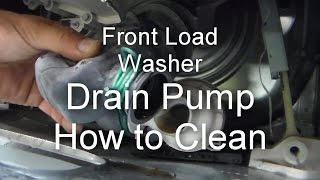
- Defective or leaking drain pump (worn seal or cracked housing)
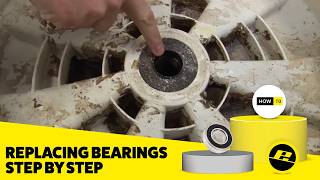
- Cracked outer tub, bad tub seal/bearing, or leaking dispenser/diverter assembly
Popular Parts That Fix This Problem
These are the most common replacement parts that fix this problem. When you're ready to order, click below to find the right part at ProsourceParts.com — just search by your appliance model number for a guaranteed fit.
Helpful Repair Tip
To confirm the faulty part, run a short cycle with the machine empty and watch closely where water first appears (back, front, under, or around the dispenser). Place a dry cardboard or towels under the washer and check wet spots after each cycle stage — this pinpoints fill vs drain leaks.
Frequently Asked Questions
Can I fix a leak myself, or do I need a technician?
Many leaks are from hoses or clamps and can be fixed by a confident DIYer: unplug the washer, turn off the water, inspect and tighten/replace hoses or clamps, and retest. If the leak is from the drain pump, outer tub, or internal seals, it can be more complex and may require disassembly and part-specific tools — in those cases consider a technician.
How do I know whether the leak is happening during fill or drain?
Run an empty short cycle and observe. If water appears while the machine is filling, inspect inlet hoses, inlet valve and dispenser. If water appears later (during drain/spin), check the drain pump, drain hoses, and tub-to-pump connections. Placing cardboard or towels beneath the washer and checking after each stage makes it easy to see when the leak occurs.
Related How-To Videos
Real DIY Repair Stories
Be the first to share your repair story!
Share Your Repair Story
Your experience helps other homeowners fix their appliances. Tell us how it went!
Can't Fix It Yourself? Find a Local Technician
It's perfectly okay to call a professional. Some repairs require specialized tools, deep teardowns, or dealing with complex systems that are better left to the pros.
Find the Right Part for Your Appliance
Don't guess — search your exact appliance model number at ProsourceParts.com to find the correct OEM compatible replacement part. They offer fast free shipping, guaranteed fit, and thousands of parts in stock.
Your Free Parts Videos
Whether your dishwasher won't drain, your dryer stopped heating, or your fridge isn't cold, we've created simple repair guides for the most common appliance problems homeowners face. Each guide explains what's going wrong, the most likely causes, and which replacement parts fix the issue. When you're ready to order, we link directly to ProsourceParts.com where you can search by model number and get the right part shipped fast.