
KitchenAid KDTM404ESS3 Dishwasher — Troubleshooting and Repair Guide
Need the replacement part? Search your model number at for guaranteed fit and fast free shipping.
Understanding the Problem
This guide covers the most common problems owners see with the KitchenAid KDTM404ESS3 built-in dishwasher and gives step-by-step diagnostics and repairs. Read the section for the symptom you have and follow the checks in order — start with the easiest checks (power, water supply, filters) and move on to parts testing (valves, pumps, switches). 1. Dishwasher won't start or controls are unresponsive - Check basic power and controls: 1) Verify the dishwasher is plugged in, the house circuit breaker is ON, and any GFCI/outlet listed for the kitchen hasn’t tripped. 2) Check the door latch: the machine will not start unless the door fully latches. Inspect for obvious damage and check for continuity on the door switch with a multimeter (remove the inner door panel to access switch). 3) Check for control lock / child lock and cancel any delay-start settings. - If door switch and power are good: 4) Remove the toe-kick and visually inspect the wiring at the terminal block for loose or burnt wires. 5) If there’s no power to the control (no lights), check household voltage at the terminal block (120VAC) with the power ON and be careful — if unsure, call a technician. 6) If control board shows no response but power is present, the control board or harness can be faulty — replace the electronic control assembly. 2. Dishwasher not filling with water - Quick checks: 1) Make sure the water supply valve (usually under the sink) is fully open. 2) Check the inlet screen on the water inlet valve for debris; shut off water, remove the valve inlet, and clean screens. - Diagnosis and repair: 3) Test the water inlet solenoid for continuity with a multimeter. If open or out of spec, replace the inlet valve assembly. 4) Verify float assembly and float switch move freely and are not stuck in the up (shutoff) position. Replace if faulty. 3. Dishwasher not draining - Common causes: clogged filter/trap, blocked drain hose, clogged garbage disposal knockout, failed drain pump. - Steps to diagnose/repair: 1) Remove and clean the lower filter and sump area of food debris and foreign objects. 2) Inspect the drain hose for kinks or blockages; disconnect and blow through the hose to confirm flow. Check that the hose is installed with a high loop or air gap and not below disposal outlet. 3) Check the garbage disposal knockout plug (if recently installed/disconnected); remove if present. 4) Test the drain pump: set the dishwasher to a drain cycle and listen — if you hear humming or nothing at all, remove and inspect the pump for debris. Use a multimeter to check pump motor continuity; if motor is open or seizes, replace the drain pump assembly. 4. Dishes not getting clean / poor wash performance - Checks and fixes: 1) Remove and clean spray arms and screen filters; ensure spray arms rotate freely. 2) Ensure detergent dispenser works and detergent type/amount is correct. 3) Verify incoming water temperature: hot water should be ~120°F (49°C) at the sink when cycle starts. If low, check the home water heater or heating element on the dishwasher. 4) Test the circulation pump/motor: lack of pressure or poor spray indicates circulation motor or pump/sump assembly failure — test for continuity and replace if faulty. 5. Leaking dishwasher - Inspect these common leak sources: 1) Door gasket: inspect for tears, deformation, or debris preventing a good seal. Replace gasket if damaged. 2) Door hinges and seal area: check the inner door for loose screws or failed latch allowing water to escape. 3) Water inlet valve and hoses: inspect for drips at the valve, loose fittings, or cracked hoses; tighten clamps or replace as needed. 4) Sump/tub cracks or failed tub-to-pump seal: inspect around the bottom of the tub and replace the sump/pump assembly or tub seal if you find cracks or leaking at the pump connection. 6. Noisy operation (grinding, squealing, loud humming) - Likely causes and fixes: 1) Foreign object in pump or spray arm — remove lower rack and check sump area for broken glass, bones, or other debris. 2) Worn bearings in the circulation pump or motor — if noise continues after clearing debris, replace the circulating pump/motor or drain pump depending on where the noise originates. 3) Racks or rollers making noise — inspect and replace broken wheel assemblies or adjust rack alignment. General step-by-step replacement procedure (applies to most parts: pump, valve, door latch, control): 1) Safety first — disconnect power at the circuit breaker and turn off the water supply under the sink. 2) Remove the lower kickplate/toe-kick to access wiring and plumbing. 3) For pumps/valves: place towels and a shallow pan under the dishwasher to catch water; disconnect the water line and electrical connectors; remove mounting screws and carefully extract the part. 4) Transfer any brackets or gaskets to the new part; install the replacement part in reverse order, reattach wiring and hoses securely, and restore water/power. 5) Run a short cycle and check carefully for leaks and proper operation. Safety note: Always disconnect power and turn off water before opening panels or disconnecting plumbing. If you are not comfortable working with live mains voltage, household wiring, or water connections, hire a qualified appliance technician.
Common Symptoms
Won't start or respond, won't fill, won't drain, poor cleaning, leaks, loud noises, or not drying properly.
Common Causes
- Power or control board failure
- Faulty door latch or door switch
- Clogged filters, drain hose, or garbage disposal connection
- Failed drain pump or circulation pump motor
- Bad water inlet valve or stuck float switch
- Damaged door gasket or tub/sump seal
Popular Parts That Fix This Problem
These are the most common replacement parts that fix this problem. When you're ready to order, click below to find the right part at ProsourceParts.com — just search by your appliance model number for a guaranteed fit.

Helpful Repair Tip
Start with the simple checks: confirm power at the terminal block, open the door and listen during a drain cycle (to confirm drain pump operation), and inspect the lower filter/sump for debris — these three checks fix a large percentage of issues.
Frequently Asked Questions
How do I find the exact replacement part number for my KDTM404ESS3?
Locate the model and serial tag — usually on the inner left or right door edge or the face of the tub when you open the door. Use the full model and serial to look up parts on the KitchenAid/Whirlpool parts site or with an authorized parts dealer. Many parts are model-specific so always order by your exact model number.
Can I replace parts myself or should I call a technician?
Minor tasks like cleaning filters, spray arms, removing debris, and replacing door gaskets or racks can usually be done by a competent DIYer with basic tools. Replacing pumps, inlet valves, or control boards involves electrical and plumbing work — if you’re comfortable turning off power, shutting off water, and following step-by-step instructions, you can do it safely. If you are unsure about handling live voltage, testing with a multimeter, or diagnosing control board issues, hire a qualified appliance technician.
Related How-To Videos
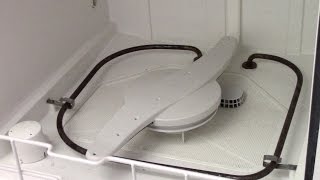

Real DIY Repair Stories
Be the first to share your repair story!
Share Your Repair Story
Your experience helps other homeowners fix their appliances. Tell us how it went!
Can't Fix It Yourself? Find a Local Technician
It's perfectly okay to call a professional. Some repairs require specialized tools, deep teardowns, or dealing with complex systems that are better left to the pros.

Find the Right Part for Your Appliance
Don't guess — search your exact appliance model number at ProsourceParts.com to find the correct OEM compatible replacement part. They offer fast free shipping, guaranteed fit, and thousands of parts in stock.
Your Free Parts Videos
Whether your dishwasher won't drain, your dryer stopped heating, or your fridge isn't cold, we've created simple repair guides for the most common appliance problems homeowners face. Each guide explains what's going wrong, the most likely causes, and which replacement parts fix the issue. When you're ready to order, we link directly to ProsourceParts.com where you can search by model number and get the right part shipped fast.