
KitchenAid KDFE104HPS0 Dishwasher Troubleshooting & Repair Guide
Need the replacement part? Search your model number at for guaranteed fit and fast free shipping.
Understanding the Problem
The KitchenAid KDFE104HPS0 is a built-in dishwasher that commonly develops a handful of serviceable problems over time: it may not start, not fill with water, not drain, run but not clean well, leak, or make unusual noises. Below is a practical, prioritized diagnostic and repair sequence covering the most frequent faults and how to fix them. 1) Gather basic tools and prep - Tools: multimeter, nut drivers/screwdrivers, pliers, bucket, towels, small flashlight, work gloves. - Turn off power to the dishwasher at the breaker and shut off water supply before doing internal work. 2) Identify the symptom and check error indicators - If the control panel shows an error or flashing lights, note the pattern; many KitchenAid units can report specific faults (control lock, float/trip, communication). If unsure, proceed with basic checks below. 3) Dishwasher won’t start or won’t run a cycle a) Check power: verify breaker is ON and outlet (if used) has 120V. Test with a multimeter at the junction box or at the terminal block (after removing toe-kick). b) Door latch/switch: Inspect the latch for broken plastic or a failed switch. If the dishwasher thinks the door is open the cycle won’t start. Replace latch/switch if physically damaged or the switch has no continuity. c) Control lock or delayed start: make sure control lock is not engaged and no delay start is set. d) Test start: with door latched and power on, try a diagnostic/service mode (see FAQ). If no action, suspect control board or failed user interface. 4) Dishwasher fills slowly or not at all a) Water supply: confirm the house shutoff to the dishwasher is open. b) Inlet valve: remove the lower kickplate and check the water inlet valve strainer for debris and the valve for continuity. If the valve doesn’t open (no click, no fill), replace the inlet valve assembly. c) Float / float switch: check the float in the tub for free movement and the float switch for continuity. A stuck float prevents filling. 5) Dishwasher drains poorly or not at all a) Remove and clean filter, sump area and garbage disposer connection (if connected). Food or broken glass can block the pump. b) Check drain hose: ensure it’s not kinked and the high loop/air gap is installed and clear of debris. c) Test drain pump: run drain cycle or a short cycle while listening for pump noise. If the pump is silent during a commanded drain, test pump for continuity; if defective, replace drain pump/motor assembly. d) Check check valve / sump: some models have a check valve or one-way valve at the sump—inspect and replace if stuck. 6) Poor wash performance / dishes still dirty a) Inspect and clean spray arms, filters, and sump. Remove clogged spray arm jets with a toothpick or compressed air. b) Check circulation pump/motor for noise or lack of pressure. If the circulation pump is failing, you’ll have weak spray and poor cleaning—replace circulation motor/sump assembly if necessary. c) Use proper detergent and check water temperature (should be 120°F at sink for best cleaning). If the heater or thermostat is bad, water may be too cool. 7) Noisy operation (rattling, grinding, hum) a) Rattle: check for loose items, broken glass in the sump, or loose spray arms. b) Grinding or humming: likely failing circulation pump or drain pump—inspect and replace the noisy pump. 8) Leaks a) Check door gasket/seal for cracks or debris and make sure the door closes evenly. Replace gasket if torn or flattened. b) Inspect water inlet hose, drain hose, and hose clamps for drips. c) Inspect tub seams and pump/sump gasket for leaks. If the sump or pump gasket is leaking, replace the defective seal or sump/pump assembly. 9) Heating issues (drying or sanitizing failures) a) Some Kitchenaid models use a heater and a temperature sensor/thermostat. Check continuity of the heater element and the NTC thermistor. Replace the faulty component. 10) Control board or electronic faults - If multiple unrelated functions fail (no LEDs, unresponsive buttons, random stops), suspect the main control board or touchpad. Replace the user interface or main PCB if diagnostics point there. Basic replacement steps for common parts (generic): - Door latch/switch: disconnect power, remove inner door panel screws, access and unplug switch, remove and install new latch, reassemble and test. - Inlet valve: turn off water, remove toe-kick, disconnect water supply line, unclip electrical connectors, remove mounting screws, replace valve, reconnect water and test for leaks. - Drain pump: unplug power, remove access panel or toe-kick, place towels and container, disconnect drain hose and wiring from pump, remove mounting screws, install new pump, reconnect hoses and wiring, restore power and test. - Circulation pump/sump: this is more involved—remove lower kickplate and interior panels, disconnect plumbing and wiring to the sump assembly, unbolt sump, transfer seals/gaskets as needed, install new sump and test. Safety note: Always disconnect electrical power at the breaker and shut off water supply before doing any internal checks or part replacements. If you are not comfortable working with mains electricity, heavy wiring, or removing the dishwasher, call a professional technician.
Common Symptoms
Dishwasher won't start, won't fill, won't drain, poor cleaning, loud grinding noises, visible leaks, or error lights on the control panel.
Common Causes
- Failed drain pump or clogged sump/filter preventing drainage
- Faulty door latch/switch or control board preventing cycle start
- Blocked spray arms, bad circulation motor, or low water temperature causing poor cleaning
Popular Parts That Fix This Problem
These are the most common replacement parts that fix this problem. When you're ready to order, click below to find the right part at ProsourceParts.com — just search by your appliance model number for a guaranteed fit.

Helpful Repair Tip
Run the dishwasher's service/diagnostic mode (see manual) — the machine will cycle pumps, valves, and heaters so you can listen for a dead drain pump, a stuck inlet valve, or get recorded error codes that point to the faulty part.
Frequently Asked Questions
How do I run the service/diagnostic mode on the KDFE104HPS0?
Most KitchenAid dishwashers have a service mode that exercises pumps, valves, and heaters. The sequence varies by model; common method: with door closed, press and hold two specific buttons (e.g., Heated Dry + Normal) for several seconds or follow the model’s service manual. If you don’t have the manual, look for the service sheet behind the kickplate or check KitchenAid service documentation online. In service mode you can hear the drain pump, circulation motor, and get error codes — useful to identify a dead pump or failed heater.
Can I replace parts myself or should I call a technician?
You can replace many parts yourself if you are comfortable turning off power and water, and have basic tools. Simple swaps like the door latch, inlet valve, drain pump, gasket, or filters are common DIY jobs. More complex tasks—removing the tub/sump, diagnosing control boards, or repairing sealed motor assemblies—are best left to a trained technician. When in doubt, take photos as you disassemble and ensure you have the correct replacement part for model KDFE104HPS0 before starting.
Related How-To Videos
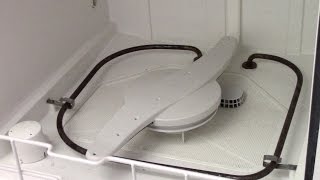

Real DIY Repair Stories
Be the first to share your repair story!
Share Your Repair Story
Your experience helps other homeowners fix their appliances. Tell us how it went!
Can't Fix It Yourself? Find a Local Technician
It's perfectly okay to call a professional. Some repairs require specialized tools, deep teardowns, or dealing with complex systems that are better left to the pros.

Find the Right Part for Your Appliance
Don't guess — search your exact appliance model number at ProsourceParts.com to find the correct OEM compatible replacement part. They offer fast free shipping, guaranteed fit, and thousands of parts in stock.
Your Free Parts Videos
Whether your dishwasher won't drain, your dryer stopped heating, or your fridge isn't cold, we've created simple repair guides for the most common appliance problems homeowners face. Each guide explains what's going wrong, the most likely causes, and which replacement parts fix the issue. When you're ready to order, we link directly to ProsourceParts.com where you can search by model number and get the right part shipped fast.