
JGD8130ADS Dishwasher — Troubleshooting & Repair Guide
Need the replacement part? Search your model number at for guaranteed fit and fast free shipping.
Understanding the Problem
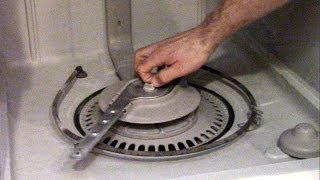
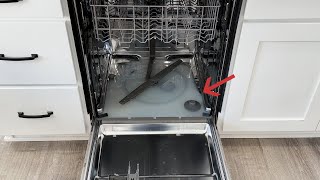
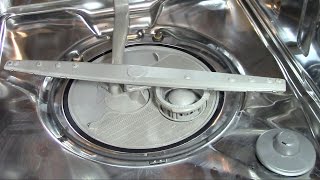
The JGD8130ADS is a built-in dishwasher model that commonly shows typical dishwasher failures: not draining, not filling with water, poor cleaning, leaking, or failing to start. Below are practical diagnostic steps and repair instructions you can follow to find and fix the issue. Always begin with basic checks and work from easy-to-replace items to more complex components. 1) Safety & preparation a. Turn off power at the circuit breaker for the dishwasher. If you can't access the breaker, unplug the dishwasher if it has a plug. Turn off the water supply at the shut-off valve. b. Have basic tools ready: Philips and flat screwdrivers, nut drivers (1/4" & 5/16"), multimeter, towels, container to catch water, pliers, and replacement parts if needed. 2) Dishwasher won't start / control issues a. Check power: verify the breaker hasn't tripped, check outlet (if plug-in), and look for blown fuses. Use a multimeter to confirm 120 VAC at power harness. b. Door latch/door switch: if the dishwasher won't start and you hear nothing, inspect the door latch and strike. Remove the inner door panel screws and test latch for continuity with a multimeter. Replace latch if no continuity when closed. c. Control lock/error codes: try a power reset (turn breaker off 60 seconds, then on). If the pad board or user interface is unresponsive, the control board or the user control might be faulty — test for 120 VAC to the control and inspect the wiring harness for burn marks. Replace board if confirmed bad. 3) Not filling with water a. Confirm water supply: verify the water valve under the sink is open and there is water to the home. Check water inlet hose for kinks. b. Inlet valve: locate the water inlet valve (usually at the base behind the toe panel). Remove and check the screen for debris and clean. Test the valve solenoids for continuity with a multimeter. If solenoids have no continuity or valve does not open when the cycle calls for water (you can carefully apply 120 VAC if you know what you're doing), replace the inlet valve. c. Float switch: check the float assembly in the tub for free movement; test float switch for continuity when up and down. Replace if stuck or failed. 4) Not draining / standing water a. Clean filter and sump: remove lower rack, unscrew/filter assembly and clean food/debris. Inspect the sump and impeller area for large debris blocking the impeller. b. Check drain hose and air gap: ensure the drain hose isn't kinked and the air gap (if present) is clear. Remove and run water through the drain hose to confirm flow to sink disposal or trap. c. Drain pump: access and test the drain pump (often at the base). Remove and check for debris in the impeller. Test for 120 VAC during drain cycle or check motor continuity; replace pump if it's humming without pumping or has no continuity. 5) Poor cleaning / no water spray a. Spray arms: remove lower and upper spray arms and clean small holes with wire or soak in vinegar to remove scale. b. Circulation pump / motor: if spray arms don’t spin or the motor hums, inspect the circulation motor and impeller in the sump area. Replace the pump/motor assembly if impeller damaged or motor fails. c. Detergent and loading: confirm correct detergent and loading pattern; hard water buildup can be helped by using a rinse aid and descaler. 6) Leaks a. Check door gasket and seal: inspect the door gasket for tears, deformation, or food buildup. Clean the gasket and replace if visibly damaged. b. Water supply and drain connections: inspect inlet hose, drain hose clamps and the tub seams. Tighten clamps and replace any cracked hoses. c. Tub crack / door hinge: if the tub or door is cracked or hinges are loose causing poor seal, replace the damaged component. 7) Error codes and diagnostics a. Consult the user manual/service sheet for model-specific codes. Many dishwashers will blink LEDs to indicate faults (e.g., fill faults, overfill, motor faults). b. If you see repeated fill or overfill errors, inspect float assembly and pressure hose (if present) to the air switch. 8) Final checks after repair a. Reconnect power and water. Run a short cycle and observe for leaks, proper fill/drain, and normal operation. b. Check for unusual noises, vibrations, or error codes. Re-tighten access panels and re-check clamps. Safety note: Always disconnect electrical power and shut off the water before working on the dishwasher. If you are not comfortable working with live voltage, pumps, or soldered connections, hire a qualified appliance technician. Use proper PPE and be careful of sharp edges when pulling the dishwasher out from under the counter.
Common Symptoms
Dishwasher won’t start, won’t fill, leaves water in the tub after cycle, poor cleaning, loud humming or grinding noises, visible leaks around the door or base, or control pad not responding.
Common Causes
- Clogged filter, spray arms, or drain hose preventing water flow or drainage
- Failed drain or circulation pump motor or damaged impeller
- Faulty water inlet valve, float switch, or door latch/control preventing operation
Popular Parts That Fix This Problem
These are the most common replacement parts that fix this problem. When you're ready to order, click below to find the right part at ProsourceParts.com — just search by your appliance model number for a guaranteed fit.

Helpful Repair Tip
To confirm a failed pump or motor, run a cycle until it should drain or circulate, then remove the toe-kick and listen—if you hear a hum but no water movement, the pump motor or impeller is likely jammed or failed. Also check for debris in the sump before buying a new pump.
Frequently Asked Questions
How do I reset my JGD8130ADS dishwasher?
Power-cycle the dishwasher: turn off its circuit breaker for 60 seconds (or unplug if accessible), then restore power. This clears many electronic glitches. If the control still won’t respond, check the door latch, control lock function, and error-code indicators. For persistent control board errors, check wiring and connectors; replace the control board if necessary.
Is it worth repairing an older JGD8130ADS dishwasher?
Assess repair cost vs replacement price: inexpensive parts like filters, gaskets, spray arms, inlet valves, or pumps are usually worth replacing. However, if the control board, circulation motor, and drain pump all need replacement and the unit is over 8–10 years old, replacement may be more cost-effective. Consider energy efficiency, reliability, and the cost of labor when deciding.
Related How-To Videos
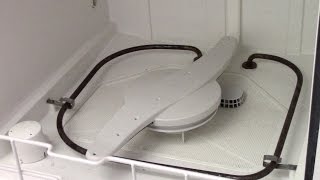

Real DIY Repair Stories
Be the first to share your repair story!
Share Your Repair Story
Your experience helps other homeowners fix their appliances. Tell us how it went!
Can't Fix It Yourself? Find a Local Technician
It's perfectly okay to call a professional. Some repairs require specialized tools, deep teardowns, or dealing with complex systems that are better left to the pros.

Find the Right Part for Your Appliance
Don't guess — search your exact appliance model number at ProsourceParts.com to find the correct OEM compatible replacement part. They offer fast free shipping, guaranteed fit, and thousands of parts in stock.
Your Free Parts Videos
Whether your dishwasher won't drain, your dryer stopped heating, or your fridge isn't cold, we've created simple repair guides for the most common appliance problems homeowners face. Each guide explains what's going wrong, the most likely causes, and which replacement parts fix the issue. When you're ready to order, we link directly to ProsourceParts.com where you can search by model number and get the right part shipped fast.