
JGB810SET2SS Ignition Problems — What to Check and How to Fix Them
Need the replacement part? Search your model number at for guaranteed fit and fast free shipping.
Understanding the Problem
Brief explanation: The GE JGB810SET2SS gas range uses two different ignition systems: spark ignition for the cooktop surface burners (electrodes + spark/ignition module) and a hot surface igniter or electronic oven ignition system for the oven/broiler. Ignition problems fall into two categories: surface burners click or don't spark, or the oven igniter won't light the oven flame even if it glows. Step-by-step diagnostics and repairs: 1) Safety first - Turn the range off. Disconnect power at the breaker (this disables the spark module and oven control). Turn off the gas supply if you will remove components or work on gas fittings. - Work in a well-ventilated area. If you smell gas strongly, stop, ventilate, and call a professional. 2) Diagnose surface burner (cooktop) ignition problems - Symptom check: Do you hear clicking when you turn a surface burner knob? Do you see a spark at the electrode? If there is clicking but no spark, or weak/irregular spark, proceed. - Clean burner and electrode: Remove burner cap and head. Clean food, grease and corrosion from ports and around the electrode. A dirty or wet electrode often prevents spark. - Dry and reseat: Make sure everything is fully dry and reassembled correctly; misaligned caps prevent gas from reaching the flame or interfere with the electrode spark gap. - Visual electrode check: Inspect the ceramic insulating around the electrode for cracks or carbon tracking (black lines). Replace the electrode if damaged. - Check for spark with power on: Reconnect power, turn the burner knob to ignite and observe. If there's no spark at any burner, the spark/ignition module, spark harness, or wiring is suspect. If only one burner fails, the electrode or harness for that burner is likely bad. - Test wiring and module: With the range unplugged, inspect the harness for loose or burned connectors. If you have a multimeter/voltmeter, with power re-applied carefully measure for voltage pulses at the electrode connector when the knob is turned to ignite (typically a high-voltage pulse from the module). If the module does not output pulses but has input power, replace the spark/ignition module. - Replace part if needed: Replace the faulty electrode, spark harness, or ignition module. After replacement, test each burner for reliable ignition. 3) Diagnose oven ignition problems (oven won't light) - Symptom check: Does the oven glow red (hot surface igniter) but take a long time to light or not light at all? Does the oven click continuously without lighting? If the bake igniter glows but the burner never opens, the igniter may be weak and not drawing enough current to open the gas valve. - Observe igniter behavior: Turn the oven on to bake at 350°F. Watch the igniter — a healthy hot surface igniter should glow bright orange within 30–45 seconds and the gas valve should open shortly after (you'll hear the gas and see flame). If the igniter glows dimly or takes an excessive time, or glows but no flame, suspect a weak igniter. - Multimeter checks: With the range unplugged, disconnect the igniter wiring and measure resistance across the igniter. Many hot surface igniters will read a low resistance (tens to a few hundred ohms). If open or extremely high resistance, replace the igniter. You can also measure the current draw during ignition (requires proper understanding and tools) — if draw is below manufacturer's spec the valve won't open. - Oven safety valve/instrumentation: If the igniter is good and glows normally but gas still doesn't open, the safety valve or control board may be at fault. Also check for clogged pilot passages (if applicable) and proper gas pressure. - Replace igniter: If tests indicate a bad igniter, replace it (see replacement steps below). After replacement, verify the oven lights within the normal time and maintains temperature. 4) Common repair steps (how to fix) - Surface electrode replacement: a) Disconnect power and gas. b) Remove burner cap/head and unscrew the electrode (usually one screw under the burner head). c) Replace with identical electrode and route harness the same way. Reassemble and test. - Spark module replacement: a) Unplug range and pull it out to access rear panel. b) Remove oven top or rear panel per service sheet to reach module. c) Label and disconnect harnesses, remove module mounting screws and swap module. Reconnect harnesses exactly as removed and test. - Oven igniter replacement: a) Disconnect power and pull the range out; access oven cavity and remove lower oven panel and/or the back panel to access the igniter assembly. b) Unscrew the igniter mounting screws and disconnect the two-wire connector (handle the igniter carefully — brittle). c) Install new igniter, reconnect wiring, reassemble, restore power and test oven ignition. 5) Final checks and test - After repairs, verify each surface burner ignites quickly and the oven lights reliably and reaches set temperature. - Check for gas leaks around any fittings you disturbed (soapy water test) and confirm no abnormal odors. Safety note: Always disconnect electrical power before doing electrical checks or swapping components. If you are not comfortable working with gas, high voltage sparks, or performing resistance/voltage tests, hire a qualified appliance technician. A gas leak or improper repair can cause fire, explosion, or carbon monoxide hazards.
Common Symptoms
Surface burners click but no spark, one burner won't light, constant clicking, oven glow igniter glows but oven flame never lights or oven takes a very long time to light.
Common Causes
- Dirty, wet, or misaligned burner caps/electrodes preventing spark or proper gas flow
- Failed surface burner electrode or ignition harness
- Faulty spark/ignition module or wiring issues
- Weak or failed oven hot surface igniter (doesn't draw enough current to open the gas valve)
- Failed oven gas safety valve or control board
Popular Parts That Fix This Problem
These are the most common replacement parts that fix this problem. When you're ready to order, click below to find the right part at ProsourceParts.com — just search by your appliance model number for a guaranteed fit.

Helpful Repair Tip
To confirm which component is bad: if only one burner fails, swap that burner’s electrode/harness with a known-good burner (if harness lengths allow). If the problem moves, the electrode/harness is at fault; if it stays, the module or control is the issue.
Frequently Asked Questions
Why do my cooktop burners keep clicking even after the flame lights?
Continuous clicking after ignition usually means the spark electrode is still receiving pulse signals. First check that the burner cap is seated correctly and clean — misalignment can prevent the flame sensing that stops the module. If caps are correct, a faulty spark module or stuck switch on the control knob could be causing constant pulses. Replace the defective part after confirming with visual/wiring checks.
The oven igniter glows but the oven never lights — do I need a new igniter?
Often yes. A dim or slow-glowing igniter can indicate it’s weak and not drawing enough current to open the gas safety valve. Test by observing time to ignition (should be under about 60 seconds) and by measuring igniter resistance/current if you have the tools. If it’s slow/dim or out of spec, replace the igniter. If the igniter looks normal and tests good, the safety valve or control board may be the issue—have a technician evaluate those components.
Related How-To Videos
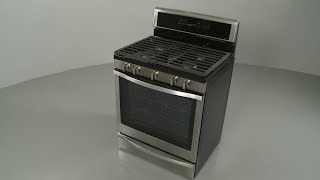

Real DIY Repair Stories
Be the first to share your repair story!
Share Your Repair Story
Your experience helps other homeowners fix their appliances. Tell us how it went!
Can't Fix It Yourself? Find a Local Technician
It's perfectly okay to call a professional. Some repairs require specialized tools, deep teardowns, or dealing with complex systems that are better left to the pros.

Find the Right Part for Your Appliance
Don't guess — search your exact appliance model number at ProsourceParts.com to find the correct OEM compatible replacement part. They offer fast free shipping, guaranteed fit, and thousands of parts in stock.
Your Free Parts Videos
Whether your dishwasher won't drain, your dryer stopped heating, or your fridge isn't cold, we've created simple repair guides for the most common appliance problems homeowners face. Each guide explains what's going wrong, the most likely causes, and which replacement parts fix the issue. When you're ready to order, we link directly to ProsourceParts.com where you can search by model number and get the right part shipped fast.