
JennAir Range Igniter Replacement – How to Diagnose and Replace the Igniter
Need the replacement part? Search your model number at for guaranteed fit and fast free shipping.
Understanding the Problem
What this covers: This guide explains how to diagnose and replace the two common types of igniters on a JennAir gas range — the oven (glow) igniter used to light the oven burner, and the surface burner spark electrode used for the cooktop burners. Diagnostic and repair steps: 1) Identify the symptom. If the oven clicks but never lights, or the oven takes a long time to light (very slow or no sustained glow), you’re likely dealing with a failed oven (glow) igniter. If the cooktop sparks continuously, or a burner won’t light or sparks weakly, check the surface burner electrode or the ignition module. 2) Visual inspection (both types). Turn power off to the range and visually inspect the igniter/ electrode: look for cracks, physical damage, broken ceramic, or severe corrosion on terminals and connectors. For the oven igniter look for a broken or crumbled glow bar; for surface electrodes look for cracks or large carbon deposits. 3) Electrical checks — oven (glow) igniter: a. Restore power (be careful) and set the oven to bake so the control calls for ignition. Measure for 120 VAC between the two wires that go to the igniter. If 120 VAC is present but the igniter does not begin to glow, the igniter is bad and must be replaced. b. With power off, you can also check the igniter’s resistance with a multimeter (ohms). Many good oven igniters measure in the low tens to a few hundred ohms; an open circuit (infinite) indicates failure. Note: a low resistance reading doesn’t guarantee the igniter will draw enough current to open the gas valve — the live-voltage test in step 3a is the most reliable. 4) Electrical checks — surface burner electrode and spark module: a. With power off, check the electrode wiring for a loose or burned connector. Clean the electrode tip and the burner cap seating. b. If a single burner never sparks but others do, test continuity of the burner switch and inspect the spark module (ignition module). If none of the burners spark, the spark module or control is usually faulty. 5) Replace the faulty component — oven (glow) igniter (typical replacement steps): a. Tools: screwdriver set, 1/4" nut driver, multimeter, needle-nose pliers. b. Turn off electrical power at the breaker. Confirm range is de-energized. c. Open the oven and remove racks. Remove the oven bottom or lower access panel to reach the igniter assembly (location varies by model). d. Disconnect the igniter wires (note wire positions or take a photo). Remove the mounting screws that secure the igniter to the burner tube/assembly. Carefully remove the igniter — it is fragile. e. Install the new igniter in the same orientation. Refasten mounting screws, reconnect wires with the same connectors, replace panels and racks. f. Restore power and test: set oven to bake and confirm the igniter glows and the oven lights within a normal time (typically under a minute). 6) Replace the surface burner electrode (typical replacement steps): a. Turn off power to the range. Remove grates and burner caps. b. Remove screws securing the burner base and lift to access the electrode connector. c. Disconnect the electrode lead (note its routing). Replace the electrode with the correct part; reassemble and test by turning power back on and attempting to light the burner. 7) When to replace the ignition module: If multiple burners fail to spark or the oven gets 120 VAC to the igniter but the gas valve does not open and the igniter glows weakly, you may have a faulty ignition/spark module or a failing safety gas valve. Replace the module only after verifying wiring and igniter condition. Practical how-to fixes: Always replace with the exact OEM part for your JennAir model or an exact-spec replacement (same resistance and mounting). Keep screws and connectors in the same place, avoid touching the new igniter’s ceramic/glow element with bare hands (oil can shorten life), and re-test on completion. Safety note: Working on gas appliances and live electrical circuits is hazardous. Turn off electrical power at the breaker and the gas supply when working where indicated. If you are not comfortable or able to perform live-voltage checks safely, hire a qualified appliance technician or electrician.
Common Symptoms
Oven clicks but won't light, oven takes a long time to light, no glow on oven igniter, cooktop burners won't spark or spark weakly, continuous clicking.
Common Causes
- Failed oven (glow) igniter due to internal breakage or reduced current draw
- Cracked or fouled surface burner electrode or loose wiring/connector
- Faulty ignition/spark module or damaged wiring between module and electrodes
Popular Parts That Fix This Problem
These are the most common replacement parts that fix this problem. When you're ready to order, click below to find the right part at ProsourceParts.com — just search by your appliance model number for a guaranteed fit.

Helpful Repair Tip
To confirm an oven igniter is bad: set the oven to call for heat and measure for 120 VAC at the igniter leads. If 120 VAC is present and the igniter doesn’t glow (or glows very weakly), replace the igniter.
Frequently Asked Questions
How do I know if the oven igniter or the gas valve is bad?
Test by observing and measuring: when the oven calls for heat, measure for 120 VAC at the igniter. If 120 VAC is present but the igniter does not glow, the igniter is bad. If the igniter glows strongly but the gas valve never opens, the gas safety valve or its control could be faulty. Replace the igniter first because it’s the most common failure. If you’re uncomfortable testing live voltage, hire a pro.
Can I replace a JennAir igniter myself and how much will it cost?
Yes — many homeowners can replace igniters with basic tools and the power/gas turned off. Oven igniter replacement is typically mid-level difficulty: remove oven bottom, disconnect igniter, and swap in the new unit. Parts cost varies by model and source — expect $40–$150 for OEM igniters and $30–$120 for surface electrodes; ignition modules are more expensive. If you’re not comfortable working with gas or live electrical tests, hire a certified appliance technician.
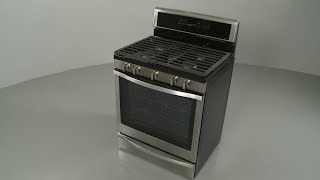
Related How-To Videos
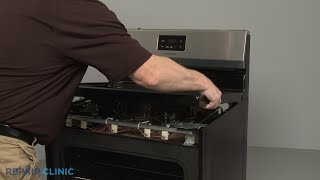
Real DIY Repair Stories
Be the first to share your repair story!
Share Your Repair Story
Your experience helps other homeowners fix their appliances. Tell us how it went!
Can't Fix It Yourself? Find a Local Technician
It's perfectly okay to call a professional. Some repairs require specialized tools, deep teardowns, or dealing with complex systems that are better left to the pros.

Find the Right Part for Your Appliance
Don't guess — search your exact appliance model number at ProsourceParts.com to find the correct OEM compatible replacement part. They offer fast free shipping, guaranteed fit, and thousands of parts in stock.
Your Free Parts Videos
Whether your dishwasher won't drain, your dryer stopped heating, or your fridge isn't cold, we've created simple repair guides for the most common appliance problems homeowners face. Each guide explains what's going wrong, the most likely causes, and which replacement parts fix the issue. When you're ready to order, we link directly to ProsourceParts.com where you can search by model number and get the right part shipped fast.