
JDB4000AWB Dishwasher Troubleshooting – What to Check and How to Fix It
Need the replacement part? Search your model number at for guaranteed fit and fast free shipping.
Understanding the Problem
What this is: JDB4000AWB appears to be a dishwasher model identifier. If your dishwasher labeled JDB4000AWB is acting up, the following are the most common problems and step-by-step diagnostics and repair actions you can take. Note: model-specific parts and locations can vary — check the model plate (usually on the door edge) for exact OEM part numbers. 1) General quick checks (do these first) 1.1) Unplug the dishwasher or turn off its circuit breaker before working on it. Confirm power: press a lighted button or check the house breaker. 1.2) Confirm water supply is on and the kitchen sink valve feeding the dishwasher is fully open. 1.3) Inspect the door latch and door seal for obvious damage; a door that won’t lock will prevent the cycle from starting. 2) Dishwasher won’t start or is dead 2.1) Check the household breaker and fuse, then the dishwasher’s power cord and junction box. 2.2) Test the door switch/latch: with power off, use a multimeter to check for continuity when the door is closed. Replace latch if no continuity. 2.3) If the control panel is unresponsive, try a reset: turn breaker off for 60 seconds and back on. If still dead, suspect the main control board or a failed thermal fuse/door switch. 2.4) Replace control board only after confirming keypad and wiring are intact. 3) Dishwasher fills but won’t drain / error draining 3.1) Remove the lower kickplate, locate the drain pump and check for debris, broken impeller, or jammed foreign objects. 3.2) Test the drain pump: with power off, access terminals and test continuity with a multimeter. If no continuity or the impeller is damaged -> replace drain pump. 3.3) Check the drain hose routing and the sink air gap (if present) for kinks or clogs. Clean hose and trap. 4) Dishwasher does not fill or low water level 4.1) Verify water inlet valve is receiving power during fill (use a multimeter/voltmeter during a fill cycle). If it gets voltage but does not open, replace the inlet valve. 4.2) Check the float assembly and float switch in the sump; if stuck or defective it can stop filling. Clean debris and test float switch for continuity. 5) Poor cleaning, little or no spray, or noisy motor 5.1) Inspect spray arms for clogs; remove and clean spray arm nozzles. 5.2) If you hear a loud grinding or humming, the circulation pump/motor may be failing. Access the pump assembly, test motor windings for continuity, and check impeller condition. 5.3) Replace the circulation pump/motor if motor windings are open or impeller is stripped. 6) Leaks from door or base 6.1) Inspect door gasket for cracks or deformation; replace the door gasket if worn. 6.2) Check the tub seams and pump seals; a leak under the dishwasher often indicates a failed sump seal, pump seal, or cracked tub. 6.3) Tighten hose clamps and replace damaged hoses. 7) Error codes and diagnostics 7.1) Many dishwashers have a diagnostic mode — consult the manual or run a basic key sequence (power on + specific button presses) to enter diagnostics. Use the code to pinpoint issues (e.g., fill, temperature, motor, or drain codes). 8) Basic replacement procedure examples (generalized) 8.1) Replacing a drain pump - Turn off power at the breaker and shut off water supply. - Remove the lower kickplate and slide the dishwasher out enough to access underside or remove front access panel. - Disconnect the drain hose and wiring from the pump; remove mounting screws and remove pump. - Install new pump, reconnect hoses and wiring, secure mounting, restore water and power, test drain cycle. 8.2) Replacing a door latch/switch - Turn off power. - Open door, remove inner door panel screws to access latch assembly. - Disconnect wiring harness from latch, remove latch, install replacement, reassemble and test door lock and start. 8.3) Replacing a water inlet valve - Turn off power and water supply. - Pull the dishwasher forward, remove the toe/kick panel, locate inlet valve at front corner. - Disconnect water line and wiring, remove mounting screws, install new valve, reconnect water and power, check for leaks. 8.4) Replacing circulation motor/pump - Power off and water off. - Remove lower access panels and possibly door inner panel to get to the sump. - Drain residual water, remove hoses and wiring from pump, unbolt pump housing and remove assembly. - Install new pump assembly, reattach hoses/wiring, secure housing, test for operation and leaks. Safety note: Always disconnect electrical power at the breaker before accessing wiring. Shut off the water supply when replacing valves or pumps. If you are not comfortable working with electrical components, plumbing, or lifting heavy appliances, hire a qualified appliance technician.
Common Symptoms
Dishwasher won't start, won't fill, won't drain, makes grinding noises, leaves dishes dirty, or leaks from door/base.
Common Causes
- Failed door latch or door switch preventing start
- Clogged or failed drain pump or drain hose
- Faulty water inlet valve or blocked float assembly preventing fill
- Worn circulation pump/motor or damaged impeller causing poor wash and noise
- Defective control board or user interface preventing cycle selection
Popular Parts That Fix This Problem
These are the most common replacement parts that fix this problem. When you're ready to order, click below to find the right part at ProsourceParts.com — just search by your appliance model number for a guaranteed fit.

Helpful Repair Tip
To confirm a faulty part: run a diagnostic cycle and manually test components with a multimeter (continuity and voltage where appropriate). For pumps and motors, check for continuity on motor windings and inspect the impeller for damage before replacing.
Frequently Asked Questions
How can I find the exact parts for my JDB4000AWB?
Locate the model and serial number on the dishwasher’s data plate — typically on the inner door edge or the tub rim behind the door. Use that exact model number on the manufacturer website or parts retailers to find OEM part numbers. If you can’t locate the plate, take photos of the appliance and control panel and contact the manufacturer or a parts supplier for help.
Can I replace parts myself or should I hire a technician?
You can replace basic parts like door latches, gaskets, drain pumps, and inlet valves if you are comfortable turning off power, shutting off water, and using basic hand tools. For control board replacements, complicated electrical diagnostics, or suspected tub/crack leaks, consider hiring a professional. Always disconnect power at the breaker before starting work for safety.
Related How-To Videos
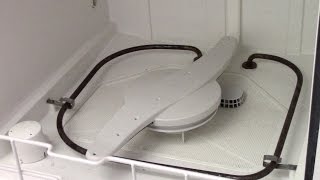
Real DIY Repair Stories
Be the first to share your repair story!
Share Your Repair Story
Your experience helps other homeowners fix their appliances. Tell us how it went!
Can't Fix It Yourself? Find a Local Technician
It's perfectly okay to call a professional. Some repairs require specialized tools, deep teardowns, or dealing with complex systems that are better left to the pros.

Find the Right Part for Your Appliance
Don't guess — search your exact appliance model number at ProsourceParts.com to find the correct OEM compatible replacement part. They offer fast free shipping, guaranteed fit, and thousands of parts in stock.
Your Free Parts Videos
Whether your dishwasher won't drain, your dryer stopped heating, or your fridge isn't cold, we've created simple repair guides for the most common appliance problems homeowners face. Each guide explains what's going wrong, the most likely causes, and which replacement parts fix the issue. When you're ready to order, we link directly to ProsourceParts.com where you can search by model number and get the right part shipped fast.