
GU2275XTVY3 Gas Range — Common Failures and How to Fix Them
Need the replacement part? Search your model number at for guaranteed fit and fast free shipping.
Understanding the Problem
This guide covers the most common issues owners see with the GU2275XTVY3 gas range (30" style gas range with electronic ignition): oven won't heat or takes very long to heat, surface burners won't light or click endlessly, oven temperature runs high/low, and self-clean/door lock or control board problems. Below are step-by-step diagnostic checks and practical repair instructions for each symptom. 1) Oven won't heat (or takes very long to heat) - What to check first: oven igniter, oven safety valve (gas valve), oven temperature sensor, electronic control/clock. - Diagnostic steps: 1. Confirm power: verify the range has 120V power (check outlet, circuit breaker). The clock/display should be lit. 2. Start an oven heat cycle and observe the igniter through the oven window: does it glow bright orange within 30–90 seconds? If it does not glow or remains faint, the igniter is suspect. 3. If the igniter glows but the gas never opens (no whoosh or flame), the igniter may be too weak to open the gas valve. 4. Measure the oven temperature with an oven thermometer; if the oven cycles wildly high/low, check the oven temperature sensor resistance (see note below). - How to fix: 1. Replace the oven igniter if it does not glow or glows very dimly. Typical repair: disconnect power and gas, remove oven racks, remove the lower access panel, disconnect igniter wiring and mounting screws, install new igniter, reconnect wiring, restore power/gas, and test. 2. If the new igniter still glows but the gas valve doesn't open, the oven safety/gas valve may be faulty — test only if you are comfortable working on gas systems; otherwise call a qualified tech. Replacement requires shutting off gas, removing oven back or access panel, disconnecting gas line and wiring, and installing the new valve per manufacturer instructions. 3. If oven temperature is incorrect but ignition is normal, test the oven temperature sensor with a multimeter: typical resistance is ~1000–1100 ohms at 70°F (value varies by manufacturer). If out of range or open, replace the sensor. 4. If the control board does not send power to the igniter or displays error codes, the electronic control may need repair or replacement. 2) Surface burners won't light or spark endlessly - What to check first: burner cap alignment, burner ports clean, spark igniter (surface ignitor), spark module/wiring. - Diagnostic steps: 1. Remove burner cap and inspect for food debris or clogged ports; clean with a brush and ensure ports are clear. 2. Re-seat the cap properly and try to light. If you hear clicking but no spark at the electrode, inspect the electrode for damage or grease buildup. 3. Check for moisture around the burner after spills — dry thoroughly. - How to fix: 1. Clean burner caps and ports. Remove and soak caps in warm soapy water, clean ports with a small brush or pin, dry completely and reassemble. 2. If the electrode is chipped/burned, replace the burner head/igniter electrode. Replacement is usually straightforward: disconnect power, unplug the igniter or remove two screws, swap parts, and reassemble. 3. If multiple burners fail to spark, the spark module or wiring harness may be faulty — test continuity of harness connectors and consider replacing the spark module. 3) Oven door lock or self-clean won't operate - What to check first: door lock motor/actuator, control board, wiring. - Diagnostic steps: 1. Try initiating self-clean mode and listen for the door lock motor; if nothing happens, check for any error codes on the display and confirm the clock/control has power. 2. Inspect wiring to the door lock for burn damage or loose connectors. - How to fix: 1. Replace the door lock motor/actuator if it's silent or the motor does not move under power. Disconnect power, access the lock assembly through the console or oven front (model dependent), replace the actuator, and test. 2. If the control locks the door but the actuator does not engage, the control board may be failing. 4) Control/display errors or unresponsive touchpad - What to check first: user interface/control board, wiring harness, power interruption. - Diagnostic steps: 1. Power-cycle the range by turning off the breaker for 60 seconds and restoring power — sometimes the control will reset. 2. If the display shows error codes, consult the service manual for code meaning (codes vary by manufacturer/model). - How to fix: 1. Replace the touchpad or control board if unresponsive after reset and no wiring faults are found. Safety note: Always disconnect electrical power at the breaker and shut off the gas supply before servicing a gas range. If you are uncomfortable with gas valves, regulators, or electrical controls, hire a licensed appliance technician. Use correct replacement parts for your exact model (check the range data tag) and follow local codes when working on gas appliances.
Common Symptoms
Oven doesn't reach temperature or won't ignite, surface burners won't light or spark continuously, oven temperature inaccurate, door lock/self-clean won't engage, unresponsive control/display.
Common Causes
- Failed oven igniter (most common cause of gas oven not heating)
- Clogged or mis-seated burner caps / fouled spark electrodes
- Faulty oven temperature sensor, door lock actuator, or control board
Popular Parts That Fix This Problem
These are the most common replacement parts that fix this problem. When you're ready to order, click below to find the right part at ProsourceParts.com — just search by your appliance model number for a guaranteed fit.

Helpful Repair Tip
To confirm a weak oven igniter: start the oven and watch the igniter — if it glows but does not produce a bright, steady orange within about 30–90 seconds and the oven never lights, the igniter is likely failing and should be replaced.
Frequently Asked Questions
How can I tell if the oven igniter is bad or the gas valve is bad?
Start by observing the igniter: if it does not glow at all, or glows very dim/faint, replace the igniter. If the igniter glows bright orange but the burner still doesn't light, the gas valve may be failing or the igniter may not be drawing enough current to open the valve. If you have a clamp meter, an operating igniter typically draws significant current (consult the service manual for exact amps). If you are unsure or see gas smells, shut off gas and power and call a pro.
Is it safe to replace parts on my gas range myself?
Many mechanical parts (burner caps, electrodes, oven sensor, igniter) can be replaced by a competent DIYer with basic tools, the power turned off, and the gas shut off when required. However, work on gas valves, regulators, or any wiring to the gas supply should be done by a qualified technician if you are not experienced. Always turn off the circuit breaker and gas before starting repairs and follow manufacturer instructions and local codes.
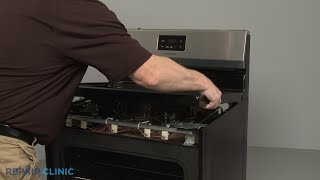
Related How-To Videos
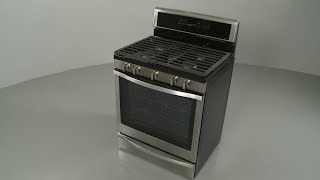

Real DIY Repair Stories
Be the first to share your repair story!
Share Your Repair Story
Your experience helps other homeowners fix their appliances. Tell us how it went!
Can't Fix It Yourself? Find a Local Technician
It's perfectly okay to call a professional. Some repairs require specialized tools, deep teardowns, or dealing with complex systems that are better left to the pros.

Find the Right Part for Your Appliance
Don't guess — search your exact appliance model number at ProsourceParts.com to find the correct OEM compatible replacement part. They offer fast free shipping, guaranteed fit, and thousands of parts in stock.
Your Free Parts Videos
Whether your dishwasher won't drain, your dryer stopped heating, or your fridge isn't cold, we've created simple repair guides for the most common appliance problems homeowners face. Each guide explains what's going wrong, the most likely causes, and which replacement parts fix the issue. When you're ready to order, we link directly to ProsourceParts.com where you can search by model number and get the right part shipped fast.