
GTW485ASJ5WS Washer — Troubleshooting & Repair Guide
Need the replacement part? Search your model number at for guaranteed fit and fast free shipping.
Understanding the Problem
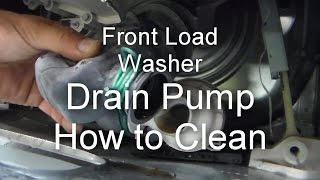
This guide covers the most common problems owners see with GTW485ASJ5WS top-load washers — not draining, not spinning, not filling, loud noise or leaks — and gives step-by-step diagnostic checks and fixes. Follow the numbered troubleshooting steps for the symptom you're seeing. 1) Basic checks (applies to all problems): a) Power and reset — Confirm the washer is plugged in and the circuit breaker hasn't tripped. Unplug the washer or switch off breaker for 30 seconds, then restore power to clear transient faults. b) Error codes & lights — If the console displays an error code or flashing lights, note them; they point to a subsystem (drain, lid switch, water valve, control board). 2) Washer won't drain or spin: a) Listen — Does the washer make a humming noise when it should be draining? If yes, the pump may be jammed. b) Access & inspect pump — Unplug washer, turn off water. Remove lower access panel (or tilt back for rear access) and inspect the drain pump and hoses for lint, coins, or debris. Clear the pump and hoses. c) Check drain hose & standpipe — Ensure hose isn't kinked and standpipe isn't clogged. d) Verify lid switch — Top-load machines will not spin if the lid switch is faulty. Locate the lid switch and test continuity with a multimeter; replace if no continuity when lid is closed. e) Inspect drive system — If pump is fine but no spin, check drive belt (if present) or drive coupling/motor for damage. Replace worn/broken parts. f) Test the drain pump motor — With power off, manually turn the pump impeller. With power on and set to drain cycle, listen for pump motor run; if you get power but pump doesn't run, replace pump. 3) Washer won't fill or fills slowly: a) Check inlet hoses and valves — Turn off water, remove and inspect inlet screens on the water inlet valve for debris. Replace or clean if clogged. b) Test water pressure and hoses — Low household water pressure or kinked hoses reduce fill speed. c) Test inlet valve coils — Use a multimeter to check coil resistance; openers with no continuity mean replace the valve. 4) Washer is noisy or shakes violently: a) Balance load — An unbalanced load causes banging. Pause cycle and redistribute clothes. b) Check suspension/shock absorbers — Top-load washers have dampers/tubes; worn shocks or suspension springs let the tub move excessively. c) Inspect tubs and bearings — A loud grinding could be worn bearings/tub seal — these require more extensive repairs (bearing kit or tub swap). 5) Water leaks: a) Inspect hoses & clamps — Check inlet hoses, drain hose, and internal hose clamps for cracks and tightness. b) Door/lid seal and tub cracks — Inspect the tub and lid seal for damage. c) Inspect pump and tub-to-pump hose — Replace leaking pump or hose. 6) Control & electronics problems: a) Soft reset — Unplug 1 minute, plug in. b) Check wire harness connections to the control board, motor, valve, and sensors. Loose or corroded connectors cause intermittent faults. c) Replace control board only after verifying inputs (power, lid switch, motor) and outputs. Safety note: Always unplug the washer or switch off the household circuit breaker before opening panels or testing electrical components. When in doubt about working with mains electricity or replacing sealed tub components (bearings, tub seal), call a qualified appliance technician.
Common Symptoms
Washer won't drain or spin, washer won't fill or fills slowly, loud grinding or banging during spin, washer leaks, error codes or unresponsive controls.
Common Causes
- Clogged or jammed drain pump or drain hose
- Faulty lid switch or door latch preventing spin
- Worn drive parts (belt, coupling, motor) or damaged suspension/shocks
- Clogged inlet valve screens or failed water inlet valve
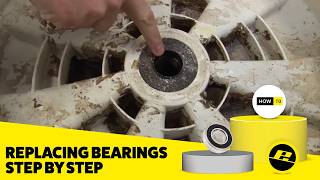
- Leaking pump, hoses, or tub seal and worn bearings
Popular Parts That Fix This Problem
These are the most common replacement parts that fix this problem. When you're ready to order, click below to find the right part at ProsourceParts.com — just search by your appliance model number for a guaranteed fit.
Helpful Repair Tip
Start by running a drain & spin cycle empty and listen: if you hear the motor hum but no water movement, check the drain pump and hoses first; if the motor runs but basket doesn't spin, inspect the lid switch and drive components.
Frequently Asked Questions
How do I find the exact replacement part number for my GTW485ASJ5WS?
Locate the full model and serial tag — usually on the back of the console or behind the lid. Use that exact model/serial with the manufacturer parts lookup or a reputable parts supplier. Many parts are model-specific, so match the model number before ordering.
Can I fix a washer that hums but won't spin myself?
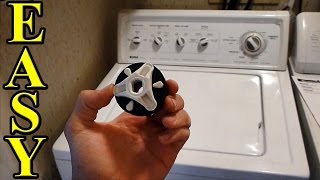
Often yes. Humming with no spin usually means a jammed pump (if draining) or a failed lid switch/drive coupling (if spinning). Start by unplugging the washer, checking the pump and hoses for debris, then test the lid switch for continuity. If the drive coupling or motor shows damage you'll likely need a replacement part; basic mechanical skills can handle belt or coupling replacement, but contact a pro for motor or tub bearing jobs.
Related How-To Videos
Real DIY Repair Stories
Be the first to share your repair story!
Share Your Repair Story
Your experience helps other homeowners fix their appliances. Tell us how it went!
Can't Fix It Yourself? Find a Local Technician
It's perfectly okay to call a professional. Some repairs require specialized tools, deep teardowns, or dealing with complex systems that are better left to the pros.
Find the Right Part for Your Appliance
Don't guess — search your exact appliance model number at ProsourceParts.com to find the correct OEM compatible replacement part. They offer fast free shipping, guaranteed fit, and thousands of parts in stock.
Your Free Parts Videos
Whether your dishwasher won't drain, your dryer stopped heating, or your fridge isn't cold, we've created simple repair guides for the most common appliance problems homeowners face. Each guide explains what's going wrong, the most likely causes, and which replacement parts fix the issue. When you're ready to order, we link directly to ProsourceParts.com where you can search by model number and get the right part shipped fast.