
GSE26GGEBCBB Refrigerator — Common Problems & Repair Guide
Need the replacement part? Search your model number at for guaranteed fit and fast free shipping.
Understanding the Problem
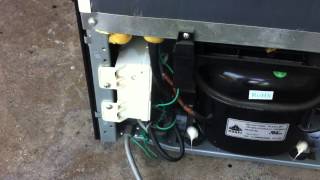
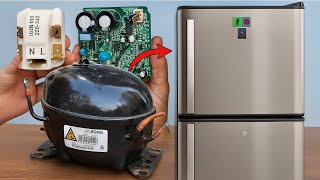
This guide applies to the GSE26GGEBCBB (26 cu ft style) refrigerator and covers the most common failure modes: not cooling, freezer ice buildup/defrost failures, water leaks, noisy operation, and ice maker problems. Read each numbered section for step-by-step diagnostics and practical repair steps. Always disconnect power before working on electrical components. 1) Refrigerator or freezer not cooling — quick checklist and steps: a) Verify temps: check display/thermostat setpoints and measure internal temps with a thermometer (fridge target 37–40°F, freezer -5–0°F). b) Inspect coils and airflow: pull the fridge away, unplug, remove grille and vacuum/brush condenser coils and condenser fan; restricted coils cause poor cooling. c) Confirm fans run: open freezer and listen/observe the evaporator fan (inside freezer evaporator cover) with door switch bypassed; check condenser fan at bottom. If a fan is dead: remove fan shroud, unplug harness, swap or replace fan. d) Check evaporator frost pattern: remove freezer evaporator cover; if coils are completely iced over the defrost system may be failing. e) Test defrost components: with power off, use a multimeter to test defrost heater continuity and defrost thermostat/thermistor continuity; check the defrost control board (or main board) for proper defrost cycle if available. f) Check compressor and start device: if fans and defrost are OK but compressor fails to run or runs then cuts out, inspect start relay/overload and listen for clicking; test start relay for continuity and replace if defective. g) When to call a pro: sealed system (compressor/refrigerant) leaks or compressor replacement require certified tech and refrigerant tools. Practical fixes: clean coils, replace failed evaporator or condenser fan motor, replace defrost heater or defrost thermostat/thermistor, replace start relay or main control board if verified. 2) Freezer icing up / frost buildup: a) Diagnose air path and door seals: check door gasket condition and closing; a damaged gasket or misaligned door causes moist air infiltration. b) Clear drain: a clogged defrost drain will back up and freeze; flush the drain with warm water and a narrow tube after removing the bottom pan. c) Verify defrost cycle: follow defrost check steps above; replace defrost heater or defrost thermostat if open. 3) Water leaking inside or under the fridge: a) Check defrost drain and drain pan: clear clogs, inspect drain pan for cracks. b) Inspect water inlet valve and supply line: look for external leaks at the inlet valve (behind the fridge) and at the household supply connection; tighten or replace valve/line if leaking. c) Ice maker/water dispenser leaks: inspect the ice maker fill tube, valve, and valve mounting for cracks. 4) Ice maker not making ice: a) Confirm water supply: ensure water line is on at the shutoff and not kinked; check inlet valve operation. b) Check the ice maker module: inspect the arm/optical sensor and verify the module is getting power during the harvest cycle. Replace the ice maker assembly if it fails to cycle or fill. 5) Excessive noise or humming: a) Identify source: compressor humming is normal but loud rattles, grinding, or screeching usually come from bad evaporator or condenser fan motors, or from items vibrating against the compressor. b) Replace faulty fan motors or isolate/secure panels for vibration noise. Safety note: Always unplug the refrigerator before servicing parts that require access to panels or electrical connectors. For sealed-system and refrigerant work (compressor, evaporator coil repair, brazing) hire a certified appliance tech with EPA refrigerant certification. Always confirm replacement part numbers for your exact model before ordering and follow manufacturer torque and wiring diagrams when installing parts.
Common Symptoms
No cooling in fridge or freezer, freezer coils iced over, water pooling under fridge, ice maker not cycling or not filling, loud humming or rattling noises, refrigerator runs continuously.
Common Causes
- Dirty/blocked condenser coils or failed condenser fan causing poor heat rejection
- Evaporator fan motor failure or blocked airflow leading to uneven/poor cooling
- Defrost system failure (defrost heater, thermostat/thermistor, or control) causing frost buildup
- Faulty water inlet valve, cracked drain pan, or clogged defrost drain causing leaks
- Failing start relay/compressor or main control board problems
Popular Parts That Fix This Problem
These are the most common replacement parts that fix this problem. When you're ready to order, click below to find the right part at ProsourceParts.com — just search by your appliance model number for a guaranteed fit.
Helpful Repair Tip
To confirm an evaporator fan fault: open the freezer, locate the fan cover, unplug the fridge, remove the cover, and spin the fan blade by hand — if it spins freely but doesn't run when powered, check for 120V at the fan connector during a running cycle; no voltage points to a control or thermostat/door-switch problem, voltage present with no spin means replace the fan motor.
Frequently Asked Questions
Why is my GSE26GGEBCBB leaking water onto the floor?
Most leaks are caused by a clogged or frozen defrost drain (water backs up and overflows inside the cabinet) or a cracked/dripping drain pan. First check and clear the defrost drain (warm water through the drain from inside or a turkey baster) and inspect the drain pan under the fridge for cracks. Also check the water inlet valve and supply line for external leaks and the door gaskets for poor sealing which can increase moisture. If you find a cracked drain pan or leaking inlet valve, replace that part.
Can I replace the compressor or fix sealed-system refrigerant leaks myself?
No. Compressor and sealed-system repairs (refrigerant recovery, brazing, replacing compressor or evaporator) require specialized tools, vacuum and refrigerant charging, and EPA certification. For sealed-system issues contact a licensed appliance service technician. For everything else — fans, heaters, thermostats, inlet valves, and ice makers — a competent DIYer can follow steps above, but always disconnect power and verify part compatibility with your model.
Related How-To Videos
Real DIY Repair Stories
Be the first to share your repair story!
Share Your Repair Story
Your experience helps other homeowners fix their appliances. Tell us how it went!
Can't Fix It Yourself? Find a Local Technician
It's perfectly okay to call a professional. Some repairs require specialized tools, deep teardowns, or dealing with complex systems that are better left to the pros.

Find the Right Part for Your Appliance
Don't guess — search your exact appliance model number at ProsourceParts.com to find the correct OEM compatible replacement part. They offer fast free shipping, guaranteed fit, and thousands of parts in stock.
Your Free Parts Videos
Whether your dishwasher won't drain, your dryer stopped heating, or your fridge isn't cold, we've created simple repair guides for the most common appliance problems homeowners face. Each guide explains what's going wrong, the most likely causes, and which replacement parts fix the issue. When you're ready to order, we link directly to ProsourceParts.com where you can search by model number and get the right part shipped fast.