
GE GECFE29TSDCSS Refrigerator — Common Problems & Repair Guide
Need the replacement part? Search your model number at for guaranteed fit and fast free shipping.
Understanding the Problem
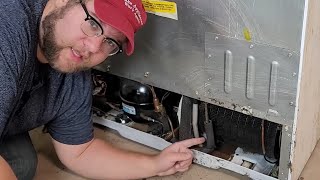
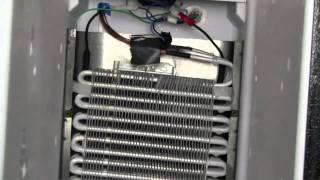
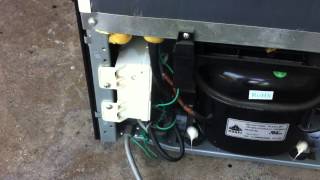
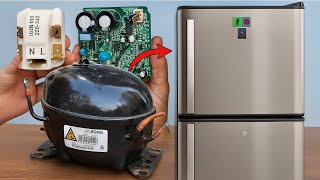
This guide covers the most common issues owners encounter with GE French‑door refrigerators like model GECFE29TSDCSS: not cooling, weak cooling, freezer overheating/freezing, ice maker or water dispenser failures, leaks, and abnormal noises. Below are prioritized diagnostic steps and practical repairs you can perform at home. 1) Verify the model and gather tools - Confirm the model/serial tag (inside the fresh food compartment, on the right wall or upper door jamb). Take photos. Tools: multimeter, thermometer, nut drivers, screwdriver set, flashlight, needle‑nose pliers. 2) Refrigerator not cooling or cooling weakly — quick checks (high priority) - Check temperature settings: ensure fridge is set to 37–40°F and freezer to 0–5°F. Wait 24 hours after setting changes. - Inspect condenser coils: locate coils under or behind unit. If dusty or clogged, unplug the fridge and vacuum/brush coils—dirty coils reduce cooling. - Check condenser fan (if present): with unit unplugged, spin the fan blades; replace if seized. When running, listen for the fan — no sound could indicate motor failure. - Verify evaporator fan in freezer: open freezer door and press door switch to run fans; if no airflow from freezer into fridge, evaporator fan motor or blades may be bad or obstructed. - Confirm compressor and start relay: with fridge plugged in, listen at the back. Compressor should hum/feel warm after a few minutes. If compressor clicks and stops, test the start relay/overload — a failed relay prevents compressor start. - Check for frost/ice build‑up on evaporator: remove back panel of freezer (after power off) and inspect for heavy frost — indicates defrost system failure (heater, thermostat/DFR, or control board). Repairs: - Clean condenser coils and area. Replace condenser fan motor if not running. - Replace evaporator fan motor if it fails to run when compressor runs. - Replace start relay/overload module if compressor fails to start but relay shows open/short on continuity test. - If evaporator is iced up, test defrost heater continuity, defrost thermostat/DFT, and defrost control — replace the failed component and perform a manual defrost. 3) Freezer too cold / fridge too warm (air flow/damper issues) - Check the air damper assembly between freezer and fridge. If stuck open or closed, it will cause temperature imbalances. Inspect and cycle damper (manually if accessible) and test damper motor for continuity. - Ensure door gaskets seal properly; damaged gaskets let warm air in and cold air out. Repairs: - Replace damper assembly or motor if the damper does not open/close. - Replace worn door gasket or clean gasket and mating surface. 4) Ice maker not producing or slow filling - Confirm ice maker is switched ON and not in a harvest/diagnostic cycle. Inspect the water supply valve under the sink or behind the fridge; ensure it’s open. - Check the water inlet valve at the rear of the fridge: if the valve does not open when the ice maker calls for water it must be replaced. - Inspect the fill tube for ice blockage (freeze) — melt any obstruction and add insulation if needed. - Test the ice maker module/harvest thermostat and the motor/drive for continuity. Repairs: - Replace water inlet valve if it fails continuity or the solenoids don’t actuate. - Replace ice maker assembly or control module if it fails to cycle or produce a harvest. - Insulate/repair the fill tube or replace if cracked. 5) Water dispenser not working or slow flow - Replace a clogged water filter (replace every 6 months). A clogged filter drastically reduces flow. - Check water pressure at the valve; low home water pressure will reduce flow. - Test the dispenser switch and actuator; use a multimeter to check continuity when pressing the dispenser switch. - Inspect the water inlet valve: low flow from multiple outputs typically indicates a failing valve or low inlet pressure. Repairs: - Replace the filter cartridge or reset the filter indicator. - Replace the dispenser switch or actuator if it fails continuity testing. - Replace the water inlet valve if it fails to open or provides restricted flow. 6) Leaks (water inside/under fridge) - Check the defrost drain at the back of the freezer; a clog will cause water to pool inside or leak out. Flush with warm water and a turkey baster; clear debris. - Inspect the water inlet valve and supply line for drips or cracks and tighten or replace as needed. - Check the drain pan under the fridge for cracks and the evaporator pan for overflow. Repairs: - Unclog or replace defrost drain tube. Replace water line or inlet valve if leaking. - Replace cracked drain/evap pans. 7) Unusual noises (buzzing, humming, rattling) - Humming is normal from compressor; loud clicking or sputtering can indicate relay or compressor issues. - Rattles often come from loose items, condenser fan hitting debris, or a failing evaporator fan blade contacting the housing. Repairs: - Tighten or secure loose panels or items. Clean and replace fan motors if noisy. Replace start relay if compressor repeatedly clicks and then shuts off. 8) Control/display errors and diagnostics - Check the main control board and UI for error codes. Many GE models display codes for thermistor failures or defrost faults—refer to the service manual or note codes and look them up. - Test thermistors (temp sensors) for expected resistance at known temperatures. Repairs: - Replace failed thermistors or control board if diagnostics point to a board failure. Always verify sensors before replacing the board. Safety note: Always unplug the refrigerator or switch off the breaker before inspecting internal components. Refrigeration systems contain high‑pressure refrigerant and sealed components—do not attempt to service the compressor or refrigerant lines yourself; refer refrigerant work to an EPA‑certified technician.
Common Symptoms
Fridge or freezer not cooling, uneven temperatures between compartments, no ice or slow fill, water dispenser low flow or not working, water leaks, and loud or unusual noises.
Common Causes
- Dirty or blocked condenser coils or obstructed airflow
- Failed evaporator or condenser fan motor, or bad start relay/compressor
- Faulty thermistor/temperature sensor, defrost system failure, or control board issue
Popular Parts That Fix This Problem
These are the most common replacement parts that fix this problem. When you're ready to order, click below to find the right part at ProsourceParts.com — just search by your appliance model number for a guaranteed fit.

Helpful Repair Tip
Start by checking condenser coils and both fans (condenser and evaporator). Dirty coils or a failed fan are the most common DIY fixes and restore cooling in many cases.
Frequently Asked Questions
How do I confirm my exact model number and find correct replacement parts?
Open the fresh food compartment and look for the manufacturer sticker on the right wall, upper liner, or ceiling. It lists model and serial numbers. Use that exact model/serial when searching parts online or ordering from GE/APpliance parts suppliers.
Can I safely replace components myself or should I call a technician?
You can replace many parts yourself (filters, gaskets, fans, water inlet valve, ice maker, start relay) if you have basic tools and follow safety steps (unplug power). Do not attempt to repair sealed refrigeration components (compressor or refrigerant lines) yourself—call an EPA‑certified HVAC/R technician for refrigerant or sealed system repairs.
Related How-To Videos

Real DIY Repair Stories
Be the first to share your repair story!
Share Your Repair Story
Your experience helps other homeowners fix their appliances. Tell us how it went!
Can't Fix It Yourself? Find a Local Technician
It's perfectly okay to call a professional. Some repairs require specialized tools, deep teardowns, or dealing with complex systems that are better left to the pros.

Find the Right Part for Your Appliance
Don't guess — search your exact appliance model number at ProsourceParts.com to find the correct OEM compatible replacement part. They offer fast free shipping, guaranteed fit, and thousands of parts in stock.
Your Free Parts Videos
Whether your dishwasher won't drain, your dryer stopped heating, or your fridge isn't cold, we've created simple repair guides for the most common appliance problems homeowners face. Each guide explains what's going wrong, the most likely causes, and which replacement parts fix the issue. When you're ready to order, we link directly to ProsourceParts.com where you can search by model number and get the right part shipped fast.